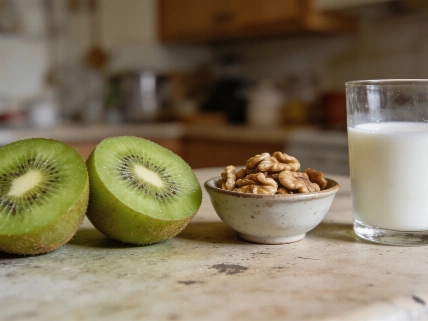
Five Bedtime Foods That May Support Better Sleep
Small studies suggest some familiar foods may offer modest sleep benefits, but none is a sleep treatment. Here is what the research says and what to check on sleep-product labels.

Small studies suggest some familiar foods may offer modest sleep benefits, but none is a sleep treatment. Here is what the research says and what to check on sleep-product labels.
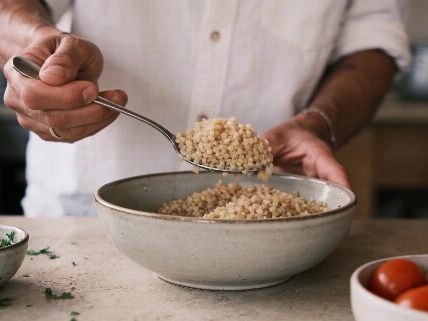
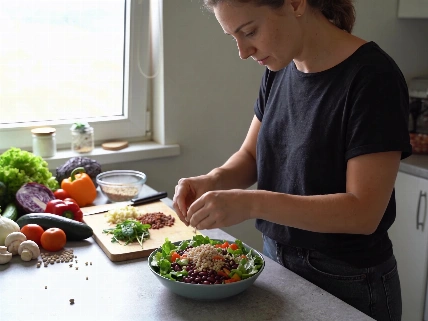
Bulgur is a quick-cooking whole grain with fiber and minerals. It can fit a DASH-style eating pattern, but it does not treat high blood pressure on its own. Check packaged versions for sodium and serving size.
Registered dietitian Marissa Perrotta makes fire cider with turmeric and ginger and keeps a bottled shot on hand. Here is what the ingredients, product labels, and available evidence can-and cannot-tell shoppers about immune claims.
Studies of curcumin supplements suggest they may ease knee osteoarthritis symptoms in the short term. They do not show that cooking with turmeric has the same effect. Here is what the research says and what to check on a supplement label.
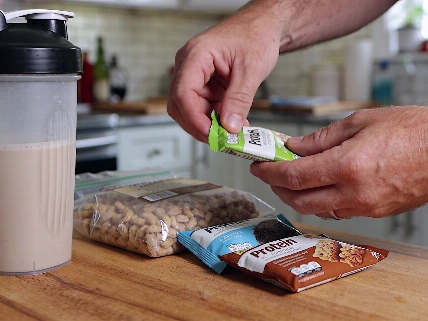
Protein is essential, but a higher-protein product is not always the better choice. Here's how to compare daily needs, food and shake labels, and grocery costs.
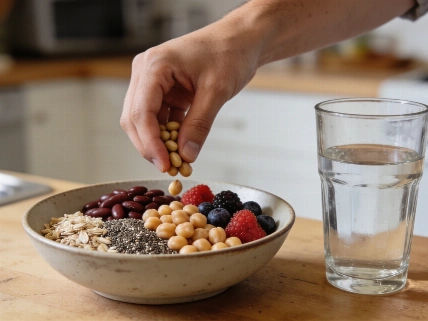
More fiber is not always better if you rush the change or overlook serving sizes. Learn how to choose fiber-rich foods, check labels, and build intake gradually with enough fluids.
Tart Cherry Nice Cream takes about 10 minutes to make and has 5 grams of fiber per serving, with no added sugar. Research on tart cherry supplements suggests possible benefits for some people with insomnia, but it does not show that this dessert reliably improves sleep.
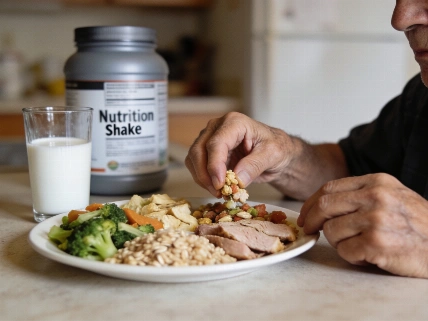
Adults over 60 may need fewer calories, but they still need good nutrition. Federal guidance gives broad calorie ranges, not personal targets. Food and shake labels can help shoppers see what each serving provides.
Green tea is often promoted as an immune booster thanks to its catechins and antioxidant properties. But does the science back up the hype? Here is what research and nutrition experts actually say about green tea's impact on inflammation, illness, and your daily routine.
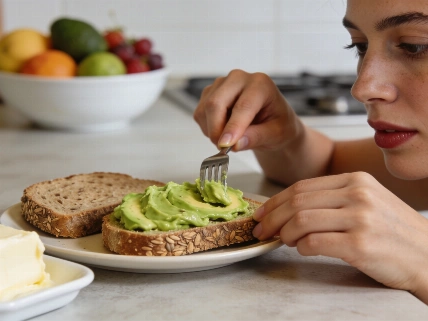
Avocado is more than a trendy toast topping. Swapping it for saturated fats like butter or cheese can improve cholesterol, boost fiber and potassium, and lower your risk of heart disease. Here's what the evidence shows and how to make the switch.
A Lagos State University greenhouse trial found that zinc oxide nanoparticles made from sunflower leaves helped eggplants grow taller, with more leaves and higher protein and mineral content. The results point to a possible alternative to synthetic fertilizers, but outside confirmation is still missing.
A registered dietitian swapped her morning tea for warm lemon water for a month. She noticed better hydration and a small mood boost, but the big claims about detox and weight loss didn't hold up. Here's what actually changed, according to the label and the science.
5-HTP is sold as a supplement that might raise serotonin and help mood, but the science is shaky. Here's what to know about where it comes from, what the evidence says, and the real safety risks before you try it.
A registered dietitian's seven-day Mediterranean meal plan uses high-fiber, potassium-rich foods and keeps sodium under 1,500 mg a day. Each day brings at least 73 grams of protein and 34 grams of fiber for fullness and heart health.
Dietitians are calling out cinnamon as the go-to spice for better cholesterol. Here's what the research says, how to use it safely, and why it might be worth adding to your meals.
Turmeric and matcha lattes both promise anti-inflammatory perks, but does your cup actually deliver? The science behind curcumin and catechins shows a more complicated picture than the hype suggests.
A morning cup of coffee works with your body's clock to help you go to the bathroom. Experts break down why timing matters, how coffee's ingredients get things moving, and what habits keep you regular without messing with your sleep.
A year-long Community Healthy Lifestyle Café is now open in the Hywel Dda region. It offers monthly nutrition and wellbeing sessions for people with learning disabilities, their carers, and support staff-filling a real gap in accessible health education.
Pineapple is often called kidney-friendly because it's low in potassium and phosphorus. But for people with kidney disease, how much you eat and your own health needs are what count. Here's what research and dietitians actually say about eating pineapple every day.
Prostate health is shaped by more than genetics. Beans, tomatoes, berries, cruciferous vegetables, and whole grains bring nutrients that may help support prostate function and overall well-being.
A new study finds that ending meals at least three hours before bed can lower nighttime blood pressure and heart rate, and help manage blood sugar-without cutting calories or changing your diet.
A major study finds oysters, mussels, shrimp, crabs, and squid deliver far more essential vitamins and minerals than their small share of the global seafood supply would suggest. The findings challenge old ideas about what really matters in aquatic food production.
Trying to pick between honey and agave nectar? Dietitians lay out the real nutrition, blood sugar effects, and health trade-offs so you know what you're getting with each sweetener.
Squats get a lot of attention for knee arthritis, but do they really stand alone? We dig into the clinical research, what's on joint-support product labels, and what matters most for people looking for real results.
Perimenopause shifts energy, metabolism, and body shape. UNC's Abbie Smith-Ryan, PhD, says this is the time for women to focus on strength training and nutrition to protect long-term health.
Insulin resistance is a silent driver of prediabetes and diabetes risk. Dietitians outline six evidence-backed nutrition and lifestyle changes that can help restore insulin sensitivity and lower the risk of chronic illness.
Dietitians agree: fiber is the most important nutrient for improving insulin resistance and supporting blood sugar balance. Learn which foods make the biggest difference and how to work more fiber into your daily routine.
Edamame is a plant-based protein source that supports muscle, heart, gut, and bone health. Here's why this green bean deserves a regular spot in your meals if you want to stay strong and independent as you age.
Piling on extra protein may sound smart, but most adults already meet their needs. Here's what happens when you overshoot the mark, how much is actually enough, and why moderation matters for your kidneys and overall health.
Potatoes have been blamed for everything from weight gain to blood sugar spikes, but nutritionists say the real story depends on how you cook and eat them. Here's what the evidence shows about their nutrients, glycemic index, and place in a healthy diet.