
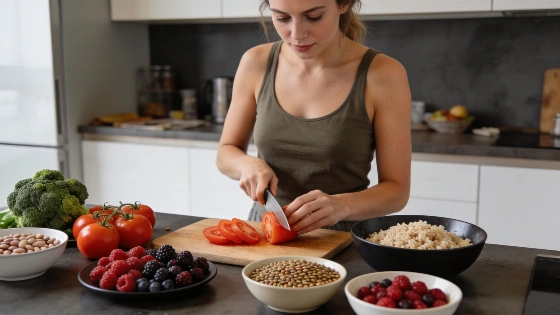
Genetics are not the only thing that shape prostate health. What you eat every day can quietly change your risk, especially as you get older. No single food can guarantee protection, but a few plant-based staples stand out for their potential to help your prostate and your health overall.
Many plant-based protein powders and meal replacements now disclose protein purity (percent protein by weight), fiber content, and added sugar per serving-key metrics for shoppers comparing prostate-supportive options.
What the evidence says about prostate-friendly foods
Beans and lentils are at the top for fiber and plant protein. They are a solid swap for processed meats, which have been linked to higher prostate cancer risk. Their fiber also helps with digestion and metabolism. Observational research suggests people who eat more legumes may have a lower risk of prostate cancer. Carter says more research is needed, but beans and lentils are easy to add to meals-think chili, tacos, or with rice.
Tomatoes stand out for their lycopene. This antioxidant gives tomatoes their red color and has been studied for possible links to lower prostate cancer risk. A recent meta-analysis with over 260,000 people found that eating more tomatoes-especially cooked tomatoes and tomato sauce-was tied to about a 16% lower relative risk of prostate cancer. The U.S. National Cancer Institute says the link is promising but not proven. Lycopene and tomatoes should not be seen as a sure way to prevent cancer. For best absorption, eat tomatoes cooked or with healthy fats.
Berries bring a different set of plant chemicals. Their bright colors come from anthocyanins, which have been studied for anti-inflammatory effects and support of healthy cells. Most research is still in the lab or in animals, but Carter notes growing interest in these compounds for cancer protection. Adding berries to yogurt, smoothies, or snacks is an easy way to get more.
Claims Check: While many nutrition shakes and superfood blends highlight ingredients like lycopene, fiber, or plant protein for prostate health, regulatory authorities such as the FDA prohibit disease prevention or treatment claims unless supported by substantial clinical evidence. Current research supports an association between higher intake of plant foods and lower prostate cancer risk, but causality is not established.
Whole grains round out the list. Carter points to oats, barley, quinoa, and brown rice as good sources of fiber. These help with digestion, weight, and blood sugar-factors tied to cancer risk. Whole grains also bring vitamins, minerals, and plant compounds with antioxidant and anti-inflammatory effects. Some research links eating more whole grains to lower PSA (prostate-specific antigen) levels, though PSA alone does not define prostate health. Choosing whole grains over white bread or sugary cereals is a practical step.
Beyond the plate: habits that matter
Diet is just one part of the picture. Carter recommends knowing your personal risk factors-age, family history, and race all matter. Talk to your doctor about PSA screening, since results should be read in light of your own risk. Keeping a healthy weight and staying active help your metabolism and your prostate. Paying attention to changes in urination can help catch problems early. Symptoms like trouble starting urination, frequent urges, or blood in the urine should lead to a talk with your doctor, even though they do not always mean cancer.
Daily habits count, too. Limiting alcohol, getting enough sleep and water, and managing stress all support health and can fit with a prostate-friendly lifestyle. These steps echo broader nutrition advice that fiber-rich foods are key for health, as shown in our recent coverage of fiber's role in insulin resistance.
Practical takeaways for everyday eating
Supporting prostate health does not mean you need a strict or complicated diet. The evidence points to a simple, plant-forward approach: build meals around beans, lentils, tomatoes, berries, cruciferous vegetables, and whole grains. These foods bring fiber, antioxidants, and plant compounds that may help protect your prostate and support your health. Staying active, keeping a healthy weight, and knowing your risk factors matter just as much. Small, steady choices-not big changes-make the difference for long-term health. For readers looking for practical, evidence-based nutrition, this approach offers a realistic way to support prostate health without extra complexity.
If you are comparing nutrition shakes or meal replacements, look for products with clear Supplement Facts panels, listed protein and fiber content, and low added sugars. Independent certifications from groups like NSF International or USP can give extra confidence in label accuracy and ingredient quality.