Build a Flexible Weeknight Dinner Around Sheet-Pan Salmon
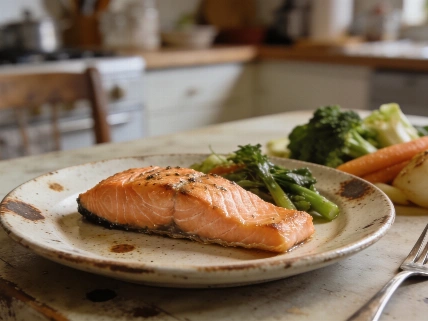
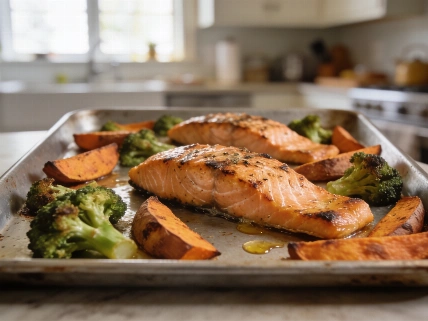
Salmon, potatoes and vegetables can make a practical sheet-pan dinner with little prep. The portions and packaged seasonings or glazes you use affect its nutrition.

Salmon, potatoes and vegetables can make a practical sheet-pan dinner with little prep. The portions and packaged seasonings or glazes you use affect its nutrition.
A cup of Greek yogurt can add complete dairy protein to a meal or snack, but protein amounts vary by product. Check the serving size, calories and added sugars to see how it fits your day.
Purdue's listing describes separate opportunities involving milk, diet, gut measures, movement, cognition and family health. Recruitment status and study details should be confirmed with each research team; the studies are not product tests or proof of nutrition-shake claims.
Gut microbes may affect hormone-related signals, but the evidence ranges from animal experiments to human associations. Here is what those findings say, and what they do not prove about powders, shakes, and supplements.
Healthy aging includes physical, mental and cognitive health, along with the ability to live independently. Food, movement, stress and sleep habits can support that goal, while a closer look at nutrition labels can help separate product claims from evidence.
Three registered dietitians recommend stevia for coffee. The ingredient list can tell you what else is in the product, while safety limits and weight-management claims need separate consideration.
Eight Starbucks choices can help balance protein, fiber and added sugar. New protein drinks show why a "sugar-free" name is no substitute for checking total sugars, protein and calories on the current nutrition panel.
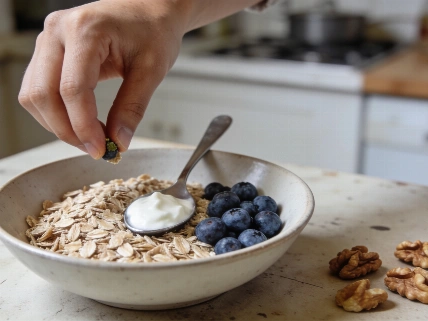
Five cereal and oatmeal options offer different amounts of fiber and protein, but no label can promise you'll stay full until lunch. Compare serving sizes, calories and nutrients, then consider how milk, yogurt, fruit, nuts or seeds can round out the meal.
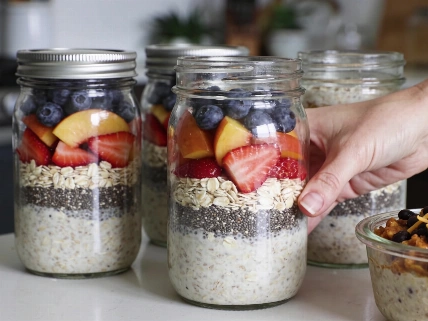
These make-ahead breakfasts range from black bean and Cheddar oats to fruit-filled jars. Here's what oats, yogurt and optional protein additions can, and can't, tell you about fiber, protein and gut-health claims.
Ghana is investing in agriculture and local food initiatives to strengthen food security. Rice and poultry self-sufficiency have risen, but getting harvests to market and turning innovation into better nutrition remain challenges.
Diabetes-friendly eating can include satisfying meals and treats. Learn how to think about portions, carbohydrate quality and nutrition-shake labels without mistaking marketing claims for medical advice.
A review points to tryptophan, vitamin B6, magnesium, fibre, polyphenols and plant melatonin in pistachios. Here's how to separate that nutritional profile from proof of a sleep benefit, and what to check on food and shake labels.
Beans offer plant protein and fiber, but their effect on LDL cholesterol is modest and depends on the overall diet. Here is how the evidence compares with lentils and nuts, and what to check when a shake or powder promises fiber or heart support.
In a study of 43 family triads, fathers' higher ultra-processed food intake was associated with heavier newborns and more fat in two measured body regions, but not greater total body fat. The findings are preliminary and do not establish cause and effect or support claims about specific products.
A supplied countdown puts Chocolate Marshmallow Mateys at the top, but gives no verified sugar figures per serving. UK free-sugar guidelines offer context, but the cereal's current pack is needed to assess a bowl.
Reports on a 2025 study found better reaction time and memory measures among young adults who ate 50 grams of walnuts at breakfast. The available details are limited, and the findings don't show that walnuts prevent cognitive decline or that breakfast is the best time for everyone.
A 170-gram serving of plain Greek yogurt has about 17 grams of protein, compared with about 7 grams in a typical string cheese stick. Serving size, added sugar and convenience can matter as much as the product category.
A review looks at how pistachio nutrients and plant compounds might relate to sleep. It does not show that eating pistachios improves sleep in people, and shoppers should read food-label claims with care.
Heart-healthy eating can start with familiar meals, not an expensive or unfamiliar menu. The key is to adapt sound dietary principles to local food access and household budgets, and to judge packaged products by their full labels.
Blood sugar normally rises after a meal, but symptoms cannot show how much it rose. Learn which recurring signs to discuss with a healthcare professional, what standard tests measure and what shake labels can tell you.
Research on probiotics and respiratory infections shows possible benefits, but the evidence is limited. Here's what yogurt labels can tell you, and what they can't.
Bulgur provides whole-grain fiber and plant-based protein, and works in a range of meals. But serving size and preparation affect its nutrition numbers, while total fiber alone cannot show how much is soluble or prove a cholesterol-lowering effect.
Pears, greens, squash and other autumn foods can add variety and fiber to everyday meals. Here's how their nutrition fits into the bigger picture, and what to check when a shake or powder promises gut-health benefits.
Dietary cholesterol is not the first label detail to check. Serving size, saturated fat, trans fat, fiber and added sugars offer more useful clues when comparing foods and nutrition shakes, but blood lipid results and overall risk still need medical follow-up.
Amy Shapiro suggests aiming for 25 to 30 grams of protein at each meal. Treat that number as a planning guide, not a universal prescription or a proven metabolism boost, and check what protein powder and meal-replacement labels actually say.
Parsley contains apigenin and other plant compounds studied in early research, but available evidence does not show that eating parsley reduces cancer risk. Here's how to separate preliminary findings from product claims and what to check on labels for parsley or greens supplements.
Whole prunes and prune juice have both been studied for constipation relief, but they offer different amounts of fiber. The better fit depends on what you tolerate and what you want from a serving.
A report linked eating fish at least twice a week with healthier-looking white matter. The available research context does not verify that finding or show that fish caused it. Here is what the claim means, and what omega-3 labels on shakes and supplements can tell you.
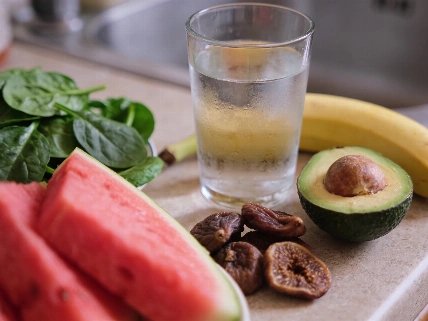
Spinach, bananas, avocados, dried figs and watermelon supply some electrolytes, but none covers every need. Here's what these foods provide and how to read electrolyte-mix labels without mistaking marketing claims for evidence.
For many healthy adults, about one egg a day can fit into a balanced diet. There is no universal weekly cutoff; health history, overall eating patterns, and what comes with the eggs all matter.