
Stats SA's revised estimate puts diabetes deaths in South Africa at 27,967 in 2023, or 5.8% of registered deaths. The reported 2022 figure was higher, at 33,126.
These yearly figures can change as late registrations are processed. Mortality statistics record the underlying cause on a death certificate, not every condition that contributed to a person's death. Diabetes was associated with 9,364 deaths among people aged 45-64, or 7.9% of deaths in that age group.
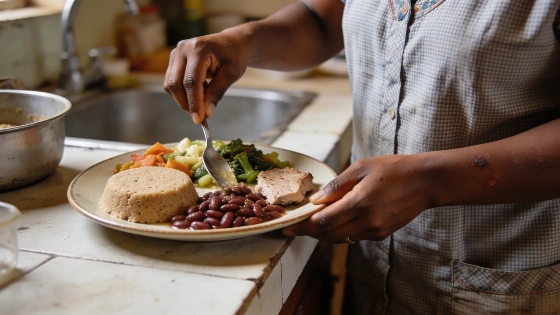
The numbers need context. Registered dietitian Mbali Mapholi offers practical advice: choose higher-quality carbohydrates, watch portions and pair foods thoughtfully. A diabetes-friendly plate need not be bland or built around forbidden foods.
When comparing a shake with a meal-replacement product, check the serving size and the full Nutrition Facts panel: calories, total carbohydrate, fiber, added sugars and protein all matter. A 'no added sugar' claim does not, by itself, tell you the product's total carbohydrate content.
Build a satisfying plate
Mapholi recommends choosing minimally refined complex carbohydrates with lean protein, non-starchy vegetables and healthy fats. Good options include whole-wheat bread and pasta, brown rice, oats and pap. Fibre-rich legumes, nuts and vegetables can also help round out a meal.
Water, naturally infused water and unsweetened rooibos, green or black tea offer alternatives to sugary drinks. Small changes can help.
If you're considering a powdered meal replacement or a ready-to-drink shake, check the label to understand how the product might fit into your diet. Protein powder is not automatically a complete meal replacement. Compare serving size in grams, calories, protein, total carbohydrate and fiber, as well as added sugars. Check the ingredient list and allergen declaration, too. A plant-based label, for example, does not guarantee that a product is free from every allergen.
The NIDDK's diabetes diet guidance also says eating plans should reflect individual needs, rather than follow one universal menu.
People living with diabetes do not necessarily need to give up favourite meals, rich foods or sweet treats. Mapholi advises mindful choices, appropriate portions and thoughtful food pairings. A registered dietitian can tailor a meal plan to an individual's health needs.
Check the claims, too. "Detox," "cleanse," "gut health" and "blood-sugar support" are marketing phrases, not proof that a product delivers a particular health outcome. For powders and functional drink mixes, look for clearly named ingredients and disclosed amounts. A proprietary blend may list a combined weight without showing how much of each ingredient it contains. Judge claims against the evidence and the product's actual label, not the headline on the tub.
Claims Check: A supplement's marketing language does not establish that it can treat or prevent diabetes. The FDA explains that dietary supplement claims are subject to specific rules; shoppers should check what the product actually contains and discuss diabetes care with a qualified health professional.
Small swaps and common pitfalls
Try whole grains in place of more refined options. Baking, grilling or roasting can replace deep-frying. Citrus, mint or berries can add flavour to water or iced tea without sweetened drinks. These are ways to adjust familiar meals, not a demand to abandon them.
Natural does not mean blood-sugar neutral. Honey and fruit juice, including 100% fruit juice, can still contribute to blood-glucose rises. Focusing only on sugar can also distract from refined carbohydrates and saturated fat. Excess saturated fat may worsen insulin resistance and increase heart disease risk.
Portions still count. Foods marketed as healthy can be high in calories, and sweet treats also call for portion awareness. The same point applies to this portion guidance.
When comparing shakes, check the price per serving as well as the nutrition panel. A large tub is not necessarily better value if the serving size is small or the cost per scoop is high. Whey, casein and plant proteins differ in source and formulation, so check which protein the product contains and whether the label gives a clear amount per serving.
Sweeteners and added fibers such as inulin may affect taste and digestive comfort differently from person to person. No single ingredient or front-of-pack claim can show that a product is right for everyone with diabetes.
Everyday recommendations include choosing complex, lower-GI carbohydrates such as whole grains, oats, brown rice and legumes. Replace sugary drinks and concentrated juice with water or unsweetened tea. Moderate portions, limit deep-fried foods, processed meats and high-fat sauces, and stay physically active.
Current recommendations commonly advise adults with diabetes to aim for at least 150 minutes of moderate or vigorous aerobic activity each week, spread across at least three days. They also recommend strength exercise two to three times weekly, as appropriate for a person's health and abilities.
Enjoyable food need not be off the table. Food quality, portions and balance deserve more attention than blanket bans. For packaged shakes, read the full label and distinguish a protein supplement from a meal replacement. Treat health claims as claims to examine, not as evidence. A registered dietitian can help turn those choices into an eating plan that fits.