Greek Yogurt Adds Protein to a Snack, but the Label Matters
A cup of Greek yogurt can add complete dairy protein to a meal or snack, but protein amounts vary by product. Check the serving size, calories and added sugars to see how it fits your day.

A cup of Greek yogurt can add complete dairy protein to a meal or snack, but protein amounts vary by product. Check the serving size, calories and added sugars to see how it fits your day.
Healthy aging includes physical, mental and cognitive health, along with the ability to live independently. Food, movement, stress and sleep habits can support that goal, while a closer look at nutrition labels can help separate product claims from evidence.
Three registered dietitians recommend stevia for coffee. The ingredient list can tell you what else is in the product, while safety limits and weight-management claims need separate consideration.
Eight Starbucks choices can help balance protein, fiber and added sugar. New protein drinks show why a "sugar-free" name is no substitute for checking total sugars, protein and calories on the current nutrition panel.
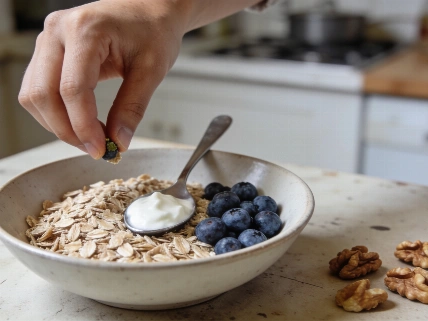
Five cereal and oatmeal options offer different amounts of fiber and protein, but no label can promise you'll stay full until lunch. Compare serving sizes, calories and nutrients, then consider how milk, yogurt, fruit, nuts or seeds can round out the meal.
Diabetes-friendly eating can include satisfying meals and treats. Learn how to think about portions, carbohydrate quality and nutrition-shake labels without mistaking marketing claims for medical advice.
Beans offer plant protein and fiber, but their effect on LDL cholesterol is modest and depends on the overall diet. Here is how the evidence compares with lentils and nuts, and what to check when a shake or powder promises fiber or heart support.
A 170-gram serving of plain Greek yogurt has about 17 grams of protein, compared with about 7 grams in a typical string cheese stick. Serving size, added sugar and convenience can matter as much as the product category.
Heart-healthy eating can start with familiar meals, not an expensive or unfamiliar menu. The key is to adapt sound dietary principles to local food access and household budgets, and to judge packaged products by their full labels.
Blood sugar normally rises after a meal, but symptoms cannot show how much it rose. Learn which recurring signs to discuss with a healthcare professional, what standard tests measure and what shake labels can tell you.
Research on probiotics and respiratory infections shows possible benefits, but the evidence is limited. Here's what yogurt labels can tell you, and what they can't.
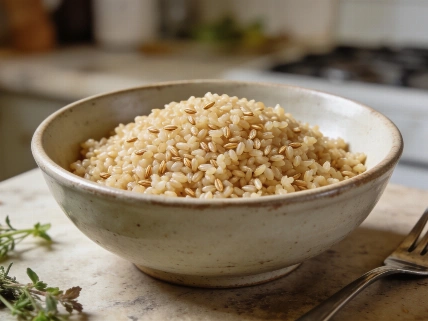
Bulgur provides whole-grain fiber and plant-based protein, and works in a range of meals. But serving size and preparation affect its nutrition numbers, while total fiber alone cannot show how much is soluble or prove a cholesterol-lowering effect.
Pears, greens, squash and other autumn foods can add variety and fiber to everyday meals. Here's how their nutrition fits into the bigger picture, and what to check when a shake or powder promises gut-health benefits.
Dietary cholesterol is not the first label detail to check. Serving size, saturated fat, trans fat, fiber and added sugars offer more useful clues when comparing foods and nutrition shakes, but blood lipid results and overall risk still need medical follow-up.
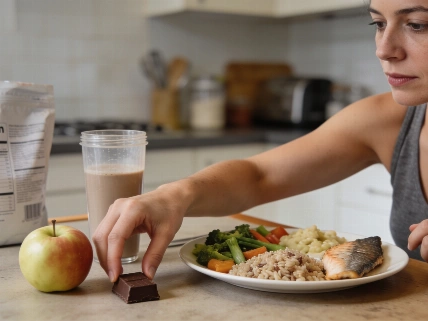
Amy Shapiro suggests aiming for 25 to 30 grams of protein at each meal. Treat that number as a planning guide, not a universal prescription or a proven metabolism boost, and check what protein powder and meal-replacement labels actually say.
Parsley contains apigenin and other plant compounds studied in early research, but available evidence does not show that eating parsley reduces cancer risk. Here's how to separate preliminary findings from product claims and what to check on labels for parsley or greens supplements.
Whole prunes and prune juice have both been studied for constipation relief, but they offer different amounts of fiber. The better fit depends on what you tolerate and what you want from a serving.
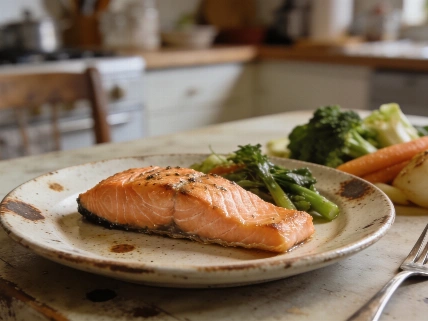
A report linked eating fish at least twice a week with healthier-looking white matter. The available research context does not verify that finding or show that fish caused it. Here is what the claim means, and what omega-3 labels on shakes and supplements can tell you.
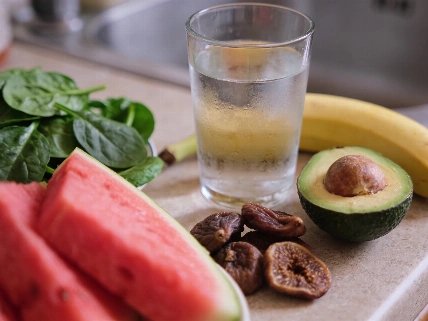
Spinach, bananas, avocados, dried figs and watermelon supply some electrolytes, but none covers every need. Here's what these foods provide and how to read electrolyte-mix labels without mistaking marketing claims for evidence.
For many healthy adults, about one egg a day can fit into a balanced diet. There is no universal weekly cutoff; health history, overall eating patterns, and what comes with the eggs all matter.
Dietitians often favor stevia for coffee, but the name on the package does not tell you everything in the product. Here's how to read the ingredients, understand safety guidance, and find a format that suits your taste.
This seven-day Mediterranean-style plan lays out a repeatable meal schedule at three calorie levels. Diabetes and high blood pressure are common causes of chronic kidney disease, but nutrition needs, including protein, sodium, potassium and phosphorus, depend on a person's health and lab results.
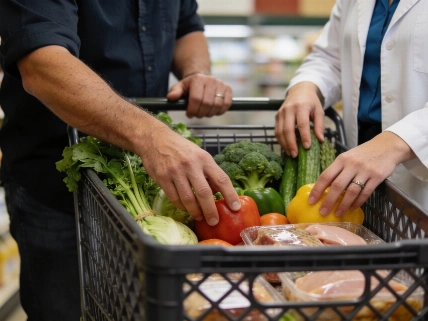
GIANT and MARTIN'S are offering dietitian-led grocery tours and weekly virtual classes for people using GLP-1 medications. The services may help shoppers compare food choices, but they are not product-specific nutrition advice or proof of treatment outcomes. The federal $50 program has eligibility rules separate from the retailer's claims.
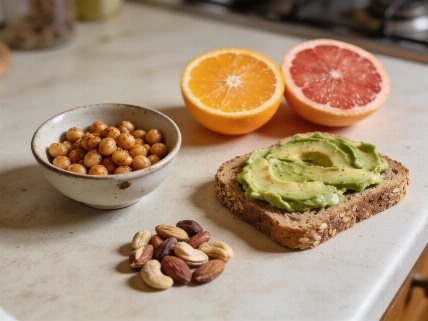
Roasted chickpeas, nuts, avocado toast and citrus can add fiber and unsaturated fats to everyday meals. No snack treats fatty liver disease. Check packaged-food labels for serving size, added sugars and the nutrients a product actually provides.
Green tea may modestly affect cholesterol, but it has not been shown to prevent cardiovascular events. Drinking it earlier gives caffeine more time to wear off before bed, while product labels can help separate brewed tea from extracts and drink mixes.
Vitamin D, iron, B12 and selenium may help some people with hypothyroidism, but the benefit depends on individual needs. Testing and careful label checks can help avoid unnecessary supplements and interactions with medication.
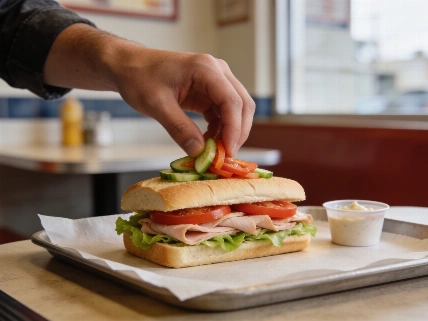
The Turkey Tom is described as a protein-forward choice, but its reported nutrition figures have not been checked against a current official item panel. Here's what the numbers say, and what to verify before changing your order.
Dietitian Rose Britt says Peanut M&M's may feel more filling than some other Halloween candies because they contain peanuts. That does not make them a balanced food, so the serving size and added sugars still matter.
Short sleep and long stretches of sitting can work against a healthy morning. Movement breaks and fiber-rich foods may support blood sugar and gut health, while a shake's ingredient list and nutrition label matter more than its claims.
Registered dietitian Jennifer Low says healthy eating is about a varied, nourishing pattern, not getting every food choice right. Heart-health guidance also focuses on the whole diet, while Shake Nutrition explains what labels on shakes and powders can tell you.