
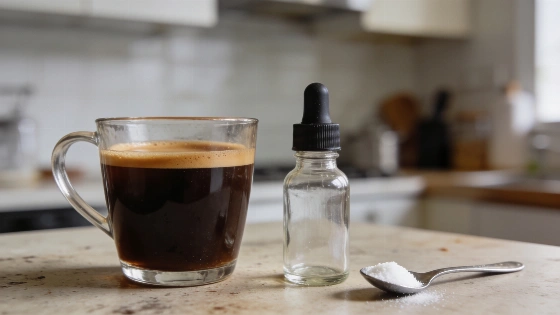
The dietitians consulted for this article named stevia their top choice for beverages. Steviol glycosides are intensely sweet, so a small amount can sweeten coffee without adding sugar or meaningful calories.
There is a catch. Products labeled stevia may contain other ingredients, and the aftertaste varies from person to person. Check the ingredient list and, when available, the Nutrition Facts panel. The name on the front is not enough.
Why dietitians favor stevia
Stevia comes from the leaves of Stevia rebaudiana. Dawn Menning, RD, CDCES, a registered dietitian at Nutu, says it provides sweetness without sugar and has little to no effect on blood sugar. Because steviol glycosides are intensely sweet, only a small amount is needed. Calories in the finished product still depend on its full formulation and serving size.
Laura Isaacson, RD, CDCES, senior director of clinical dietetics at Vida Health, says stevia may appeal to people with diabetes or prediabetes, as well as people focused on weight management. A sweetener is not a treatment. Replacing sugar with a non-sugar sweetener does not, by itself, establish a long-term health benefit. The World Health Organization's recommendation concerns the long-term use of non-sugar sweeteners, not the safety of a specific product.
Claims Check: The WHO conditionally recommends against using non-sugar sweeteners, including stevia and its derivatives, as a long-term strategy for weight control or reducing disease risk in the general population without diagnosed diabetes. This is not a toxicological safety assessment and does not replace established acceptable daily intake limits.
For a comparison of other options, see this sweetener comparison.
Check the sweetener form and the ingredient list
In the U.S., the FDA distinguishes highly purified steviol glycosides from whole stevia leaf and crude extracts in its safety assessments. The agency has had no questions about numerous GRAS notices for specified purified forms and conditions of use. Whole-leaf stevia and crude extracts do not have the same status for use as sweeteners. The exact ingredient matters more than a broad claim on the front of the package. The FDA's sweetener overview explains the distinction.
Stevia comes as powder, liquid drops, and flavored syrups. Kylie King, RD, a Los Angeles-based registered dietitian and behavioral counselor, says packets are easy to carry. Drops dissolve readily in cold drinks and make it easier to control the sweetness. Powder can settle in iced coffee. Start with a small amount, King suggests, such as a few drops or a small pinch. Then adjust to taste.
SweetLeaf was the brand the dietitians recommended most often. Menning says its products use organic ingredients without added fillers or artificial sweeteners. She notes that the powder contains inulin, a soluble fiber. Inulin can cause digestive discomfort for some people, especially if they increase their intake quickly. Check the serving amount and your own tolerance.
King points to SweetLeaf's range of formats and flavors. Isaacson says its products use high-purity steviol glycosides and may taste less bitter to some people. Those are the dietitians' assessments, not a guarantee that everyone will like every product. Formulations can also differ between product versions.
King also recommends NuNaturals and Better Stevia by NOW Foods. Read the ingredient list, whatever brand you choose. Some products marketed as stevia contain maltodextrin or dextrose. Others combine stevia with erythritol, a sugar alcohol that can cause digestive symptoms for some people. A package claim of "95%" purity refers to a specific formulation. It is not a universal measure of taste, quality, or suitability. Check the sweetener and other ingredients listed on the product you plan to buy.
JECFA has set an acceptable daily intake for steviol glycosides of 0-4 mg per kilogram of body weight per day, expressed as steviol. This is a safety limit for total intake, not a recommended daily amount or a target. The JECFA intake assessment concerns steviol glycosides, not every ingredient sold under the broad name stevia.
Some people find stevia bitter, whatever the product. King says those clients may prefer liquid drops or flavored versions over powder. Monk fruit is another option for people who dislike stevia's taste. Check whether a monk-fruit product is blended with other sweeteners or bulking ingredients, too.
Stevia can sweeten coffee without adding sugar, but the product's ingredients and format determine what goes into the cup. Choose one that tastes good to you. Check for added carriers or fibers, and don't treat a brand name or weight-management claim as a substitute for reading the label.