
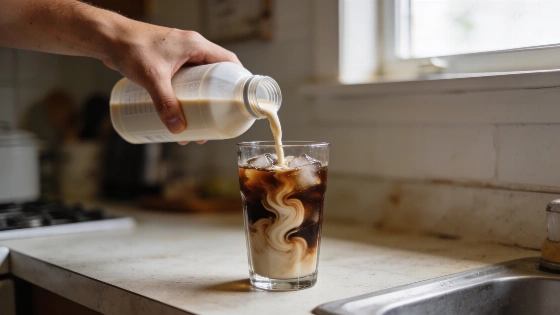
A 12-ounce Starbucks Classic Caffè Protein Coffee lists 140 calories, 22 grams of protein, and 2 grams of sugar. The 12-fluid-ounce Rockin' Protein Caramel Latte lists 200 calories and 30 grams of protein. Those numbers make the label worth a closer look.
Two retail labels illustrate why the full panel matters: the Starbucks 12-ounce drink lists 22 g protein, 140 calories, and 2 g sugar; the Rockin' Protein 12-ounce latte lists 30 g protein and 200 calories, plus 780 mg calcium and 770 mg potassium.
What protein coffee can and cannot do
Start with serving size. Compare the protein, calories, and sugar in the amount you plan to drink, not just the numbers on the front of the package. For a ready-to-drink beverage, check the Nutrition Facts panel. For a powder sold as a dietary supplement, check Supplement Facts.
Look at the protein source, such as whey, casein, or plant protein. Check added sugars, sweeteners, allergens, and any caffeine beyond what you add with coffee. A large protein number alone says little about whether the drink suits your needs.
Powder labels need a few more checks. Look at the scoop weight and the number of servings in the container. With a proprietary blend, the label may list the blend's total weight without showing the amount of each ingredient. That can make the formula harder to judge. Claims such as "clean energy" and "metabolism support" do not prove an effect. Check the ingredients and amounts.
Powder can clump in hot coffee. Heat does not erase its protein value, though. For a smoother drink, mix the powder with a little cold liquid first, then add coffee. You can also let the coffee cool before mixing. Some practical guides suggest keeping it below 70°C (158°F). That's a mixing tip, not a special nutrition threshold.
Protein may help with fullness, but the effect varies and is not unique to coffee. Caffeine can increase alertness. Hunger and cravings can also reflect sleep, eating patterns, stress, or other factors.
What the drink replaces matters. If it takes the place of black coffee when you would otherwise skip breakfast, its calories and protein may count. Added to a meal that already has plenty of protein, it may contribute little. An easy breakfast shake is another option, as are whole foods. The FDA's claims guidance puts broad wellness language in context. A claim should not be treated as proof that a product prevents or treats disease.
Protein can support training without requiring coffee
Dietary protein supplies amino acids that the body uses to build and repair tissue. For people who find it hard to get enough protein from meals, a protein coffee or shake can be a practical choice, including around resistance training.
The NIH overview of sports supplements provides context on protein and exercise. Coffee-based drinks are one way to consume protein, not a shortcut to training results.
Eggs, yogurt, and other protein foods can serve the same basic purpose. Whole foods may provide nutrients that a particular drink lacks. The Rockin' Protein label, for example, lists calcium and potassium. Check the panel rather than assuming what a product contains from the words "protein coffee."
Judge the drink by the meal around it
Protein coffee may fill a gap if you skip breakfast or get little protein from food. It may add little if you already get enough protein and eat a varied diet. Compare serving size, protein, calories, sugars, ingredients, and price per serving with options you would actually choose.
Choose it if the taste and convenience help you meet your needs. It is not inherently healthier than other protein options. The label, not the trend name, tells you what you are buying.