
For most people, water is enough during activity lasting about an hour or less. Electrolytes are charged minerals such as sodium, potassium, magnesium, calcium, chloride and phosphate. They help balance fluids and acids in the body, and support nerve signals and muscle contractions. No food covers all.
Longer or strenuous exercise, heat, vomiting or diarrhea can increase fluid and electrolyte losses. At the store, check what a serving contains and whether it fits the situation. Labels matter.
When comparing electrolyte mixes, check the amount of sodium and other minerals per serving-not just the front-of-pack electrolyte claim. A clearly stated serving size and disclosed amounts make products easier to compare; a proprietary blend can obscure how much of each ingredient is included.
Five foods with different electrolyte strengths
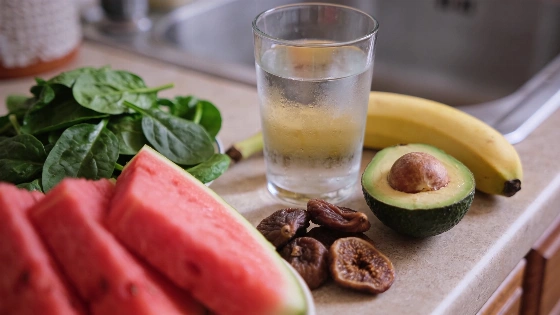
Avocado is a strong source of potassium: one fruit is listed as providing 728 milligrams. It also supplies fiber and monounsaturated fat. A small banana of about 100 grams provides 362 milligrams of potassium and 3 grams of fiber. It can go in a snack or smoothie. Potassium is also found in potatoes, beans, dairy products and leafy greens. Bananas and avocados are not the only options.
Spinach provides several minerals. One cup is listed as containing about 167 milligrams of potassium, 24 milligrams of magnesium and 30 milligrams of calcium. Add it to a salad, omelet, soup or smoothie. Nuts, seeds, beans, whole grains and other green vegetables also contain magnesium. Calcium sources include dairy foods, fortified plant drinks, calcium-set tofu, fish with edible bones, almonds and sesame.
A half-cup serving of dried figs, about 100 grams, is listed as containing 680 milligrams of potassium and 162 milligrams of calcium. Figs also add fiber and natural sweetness; a quarter-cup serving supplies 4 grams of fiber. Watermelon is a lighter option. One cup has about 170 milligrams of potassium and 15 milligrams of magnesium. These foods are not a complete electrolyte replacement formula.
Claims Check: An electrolyte powder's label can show the minerals and amounts per serving, but a broad promise such as hydration, recovery or energy is not proof that the product is necessary or effective for every shopper. FDA guidance distinguishes permitted supplement claims from claims to diagnose, treat, cure or prevent disease; assess the disclosed ingredients and amounts rather than relying on marketing language.
These foods do not provide the same nutrients in the same amounts. Eating different fruits and vegetables across meals is more useful than expecting one food to meet every electrolyte need. A related food guide also focuses on practical choices from different food groups.
What electrolytes do, and when losses matter
Electrolytes help balance fluids, carry nerve signals and support muscle function. The NIH Office of Dietary Supplements' potassium fact sheet outlines how potassium appears in many food groups. Dizziness, nausea, weakness or an abnormal heartbeat can have many causes. Those symptoms alone do not confirm an electrolyte imbalance. Severe or persistent symptoms warrant medical advice.
Fruits and vegetables provide water and minerals, but usually less sodium and carbohydrate than sports drinks made for prolonged activity. Coconut water contains several electrolytes, including potassium, magnesium, calcium and sodium. That does not make it a universal substitute for a sports drink during long or strenuous exercise. For a packaged mix, check the Nutrition Facts or Supplement Facts panel. Look at serving size, sodium, carbohydrate, added sugars and the listed amounts of other minerals. Sweeteners and proprietary blends matter too. A blend's total weight does not show the dose of each ingredient.
These five foods can add electrolytes to everyday meals without making every meal or workout a supplement decision. For most people, a varied diet is a sensible foundation. An electrolyte drink may have a role when losses are higher or exercise lasts longer. Check the per-serving details and match the product's formula to the need. A claim on the front of the package is not enough.