
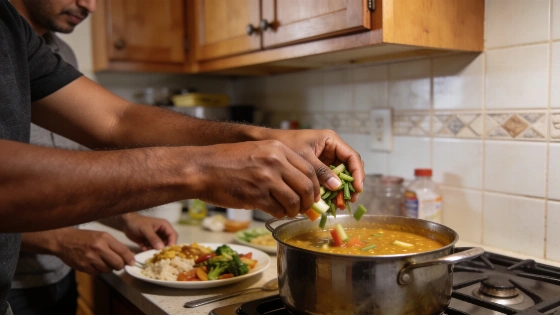
In 2024, about 9.8 million people in Canada lived in households facing some form of food insecurity, Statistics Canada reported. That reality matters in cardiac rehabilitation, where dietary advice has to work with the foods people can find and afford.
A heart-healthy diet does not require patients to give up familiar meals for an idealized Mediterranean menu. Rehab teams can start with what people already eat and build on its strengths.
The Mediterranean pattern favors vegetables and fruit, whole grains, legumes, fish, unsaturated fats and minimally processed foods. It limits highly processed foods and saturated fats. The principles matter more than serving everyone the same ingredients or cuisine.
Protein grams alone do not show whether a shake fits a heart-healthy eating pattern. Check the serving size, calories, saturated fat, added sugars and fiber alongside the protein source.
Keep the principles and adapt the plate
A patient from South Asia should not have to give up dal. Latin American families need not replace beans and traditional dishes with foods labelled Mediterranean. The same goes for people who eat Chinese, Middle Eastern, Caribbean or African cuisines. Heart health does not depend on adopting an unfamiliar menu.
Dietitians in Canada and Brazil and people in cardiac rehabilitation in Toronto discussed food quality, local availability, cultural relevance, finances, nutrition counselling and the social meaning of meals. More than 100 patients and health professionals from 31 countries across all six World Health Organization regions took part in the first round of a structured consensus process. Their message was consistent: keep the heart-healthy principles, but apply them flexibly.
Advice must work in real kitchens
Cost and access can make specific food advice unrealistic. Fresh fish, nuts, extra-virgin olive oil and plenty of fresh produce may be out of reach or hard to find. Frozen or canned vegetables, beans and lentils can work instead. Healthy fats do not have to come from expensive imported olive oil. The panel called for advice that accounts for finances and environmental circumstances, budgeting, meal planning and lower-cost choices.
The cost pressure is clear. Store-bought food prices in August 2025 were 29 per cent higher than in August 2021, according to figures reported by The Hamilton Spectator. In Toronto, research identified 346 food deserts and 155 areas where healthier food was available but unaffordable. Together, those areas affected 19 per cent of residents. Advice built around expensive or hard-to-find ingredients will not work for everyone.
Ottawa food banks and partner organizations recorded 588,866 visits in 2025, about twice the 2019 total. Capital Current reported that the share of households having difficulty getting enough food rose to 25.7 per cent in 2023. Food insecurity is not a failure of nutrition knowledge. It can limit what households can act on, so counselling should separate an ideal shopping list from options that fit local prices and availability.
People eat meals, not nutrients. Food carries family history and identity. Meals also have a social meaning, and changes after a cardiac event can affect how people eat together.
Good counselling starts with questions. What does the household usually eat? Who shops and cooks? Which foods matter, and what is affordable? Then patients and counsellors can discuss changes that feel realistic.
The same whole-diet approach helps when people assess packaged products. A ready-to-drink shake or meal-replacement powder may be convenient, but its protein count alone does not make it equal to a meal with legumes, vegetables and whole grains. Check serving size and calories, protein source, saturated fat, added sugars and fiber. Compare the price per serving. Treat vague phrases such as "superfood," "detox" or "immune support" as claims to investigate, not proof of a health effect. A proprietary blend's total weight does not tell shoppers how much of each ingredient it contains.
Heart-health evidence also points to overall diet quality, not one nutrient on its own. Mediterranean and DASH-style patterns favor vegetables, legumes, whole grains, fruits, nuts and unsaturated fats. They limit processed meat, added sugar and ultra-processed foods. Readers can explore the indexed PubMed literature on these dietary patterns.
The whole-diet approach matters when judging individual foods, too. Our Snack Wraps analysis considered protein alongside sodium instead of treating one number as the whole story.
For rehab programs, culturally responsive counselling should be routine. Start with a patient's existing diet, identify its strengths and work together on manageable changes. Educational materials can show meals from multiple cultures. Recommendations can account for food access and include family members when patients want that support.
The panel's final recommendation was to prioritize heart-healthy habits and overall well-being, rather than weight loss alone. Ninety-nine per cent of respondents rated it highly important. Cardiac rehabilitation should not treat one cuisine as the destination. The goal is to help patients make familiar meals healthier, affordably and sustainably.