
Skip the latest supplement trends and pricey gadgets. When it comes to improving insulin resistance, dietitians point to one thing that works: fiber. The research is clear, and the advice is straightforward for anyone concerned about blood sugar or type 2 diabetes risk.
Most Americans consume only 16-18 grams of fiber per day-well below the recommended 25-38 grams-making label transparency on fiber content a critical metric for meal replacements and nutrition shakes.
Why fiber matters
Fiber stands out because it slows down how your body digests carbohydrates, which helps keep blood sugar from spiking. Erin Palinski-Wade, RD, CDCES, notes that fiber not only helps manage blood sugar by slowing carb absorption, but also supports a healthy gut microbiome-another factor tied to better insulin sensitivity and less inflammation. Studies back this up: randomized trials and meta-analyses show that eating more fiber, especially from whole grains and legumes, leads to real improvements in fasting glucose and HOMA-IR, a key marker of insulin resistance. For example, a recent review by the European Society of Cardiology found that eating 60-100 grams of whole grains daily (about 4-6 servings) was linked to better insulin sensitivity and other heart health markers.
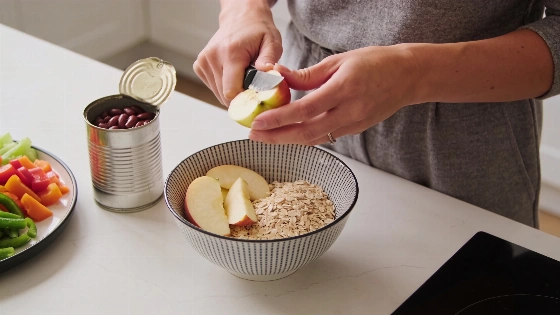
Not all fiber is the same. Both soluble and insoluble types matter, and the best results come from mixing sources. Beans, oats, apples, lentils, and vegetables offer both kinds, so they're worth including in your meals. One meta-analysis found that adding just 48 grams of whole grains per day was linked to lower HOMA-IR, fasting glucose, waist size, and triglycerides. This is why it's important for nutrition shakes and meal replacements to clearly state how much fiber they contain per serving.
Most Americans don't get enough fiber-25 grams a day for women and 38 grams for men, according to current guidelines. The CDC and ADA report that most adults only get 16-18 grams, depending on age and sex. This gap is why more products now highlight high-fiber ingredients like oats, legumes, and seeds. For shoppers, the simplest step is to check the Nutrition Facts panel for fiber per serving and aim for at least 5-7 grams in a meal replacement or shake.
Claims Check: While many brands market their shakes as 'gut health' or 'metabolism boosters,' regulatory authorities require that such claims be substantiated by clinical evidence and clearly disclosed ingredient dosages. For fiber, the strongest evidence supports benefits when daily intake meets or exceeds 25-38 grams, primarily from whole foods and well-characterized fiber sources, not proprietary blends with undisclosed amounts.
Looking beyond fiber
Fiber is important, but it's not the only factor. A balanced diet that limits sodium and saturated fat, regular exercise, good sleep, and managing stress all help improve insulin sensitivity. If you want more guidance, a registered dietitian can help you find strategies that fit your routine and health goals.
If you're looking for more ways to add fiber, our recent feature on high-fiber whole grains has practical tips to help you get started.
Nutrition experts are clear: fiber is the most practical, evidence-backed way to reduce insulin resistance and support long-term blood sugar control. The best approach is simple-choose fiber-rich foods at every meal, make steady changes, and see how your health responds.