
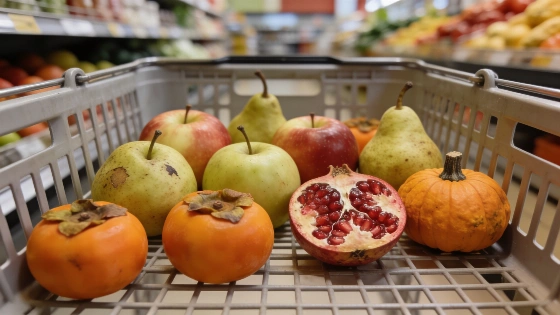
A cup of pomegranate arils has about 7 grams of fiber. A medium apple has about 4 grams, but those figures describe different amounts and forms of food.
For packaged foods, the FDA's 28-gram Daily Value is a labeling reference based on a 2,000-calorie diet, not an individual prescription. Fiber needs vary. National Academy of Medicine guidance uses 14 grams per 1,000 calories, with recommended amounts also differing by age and sex. Check the serving size before comparing a fruit with a scoop of a shake or powder.
The FDA's fiber Daily Value is 28 grams for label comparisons. It is not a personalized daily target, and a product's fiber grams apply to the labeled serving size.
Start with the serving-size numbers
Pomegranate arils top this list at about 7 grams of fiber per cup, or 25% of the FDA Daily Value. USDA FoodData Central data put a half-cup serving at about 3.5 grams; 100 grams of arils has about 4 grams. The cup figure is not a like-for-like comparison with one medium apple or pear. Pomegranate also contains vitamin C and other nutrients, but its nutrient content alone does not establish health outcomes.
A medium persimmon provides about 6 grams of fiber, around 21% of the Daily Value. Its orange color comes from carotenoids, including beta-carotene, which the body can convert to vitamin A. Persimmons also contain vitamin C. Claims about effects on glucose regulation or inflammation warrant caution. These figures describe nutrients, not a proven treatment.
Pumpkin puree supplies about 6 grams of fiber per cup. For canned pumpkin, check the product name and ingredient list. 100% pumpkin puree is different from pumpkin pie filling, which commonly includes added sugar and seasonings. The products are not interchangeable when comparing nutrition labels or deciding how much added sugar you want.
Keep the skin on where it counts
A medium pear offers about 5.5 grams of fiber. Pear flesh contains soluble fiber, while the skin contributes insoluble fiber and plant compounds. Apples also provide both types: pectin is a soluble fiber, and the skin contributes insoluble fiber. Keeping the skin on adds fiber, provided the fruit is washed.
A medium apple has roughly 4 grams of fiber, or about 14% of the FDA Daily Value. Shake Nutrition's apple spoilage guide offers inspection advice for shopping and storage. The FDA's Daily Value guidance explains how to interpret label percentages. USDA FoodData Central provides a reference for comparing foods by serving and weight.
Nutrition shakes and powders may contain inulin or chicory root fiber. Others use psyllium; acacia gum is another possible ingredient. A front-label phrase like "gut health" does not tell you the amount or type. Check the fiber grams per serving and whether the ingredient amounts are disclosed. The NIH dietary fiber overview offers general context. People's needs and tolerance can vary, particularly when they increase fiber quickly.
There are easy ways to work these foods into meals. Add pears to salads or roast them with Brie. Apples also work in savory dishes, and they can go into baking or oatmeal. Pomegranate arils can top yogurt; persimmon pairs well with cheese. Stir pumpkin into oats or smoothies. Use pure pumpkin when that is what the recipe calls for.