
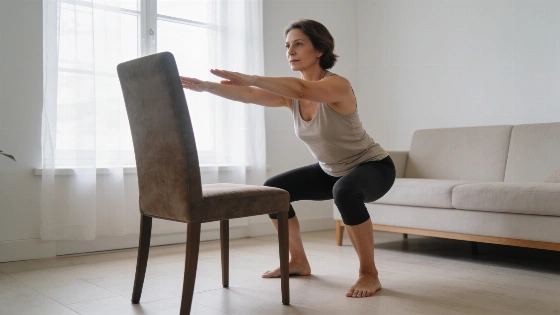
Physical therapists often recommend squats for knee arthritis. The move works several muscle groups and helps keep the joint stable. For millions of Americans over 45 dealing with knee pain, stiffness, or swelling, the right exercises can make daily life easier. But is there proof that squats are the single best choice? Or is the answer more complicated?
The American College of Rheumatology and Arthritis Foundation both say exercise is a key non-drug treatment for knee osteoarthritis. Their guidelines call for a mix of aerobic, strength, and balance or neuromuscular exercises. No single move is labeled as "best." Squats, which are closed-chain exercises, do help strengthen the quadriceps and glutes-muscles that matter for knee function. But they're just one part of a bigger plan, not a cure-all.
Many joint-support powders and shakes highlight collagen, glucosamine, or protein content, but only products with fully disclosed Supplement Facts panels and third-party certifications (like NSF or USP) provide true label transparency.
Squats stand out because they work the quads, glutes, hip adductors and abductors, calves, abs, and back. All of these help support the knee. Stronger muscles spread the load more evenly, keep the joint moving, and help with balance and control. This can make the knee feel more stable and may ease pain by improving how you move. But the amount of weight and how deep you squat should always match your pain level and mobility.
Unlike moves that target just one muscle, squats get a whole group of muscles and joints working together. That's important for people whose arthritis comes from age, old injuries, extra weight, family history, or tough jobs. Squats can be changed up-like using a chair for support-so even people with limited movement can do them safely. Most clinical guides suggest starting with two or three strength sessions a week, then adding more as you get stronger and symptoms improve.
Safety comes first. Physical therapists stress that slow, controlled movement, keeping the knee in line with the foot, and staying in a pain-free range matter more than how low you go or how much weight you use. If you have a lot of pain, swelling, feel unstable, or had a recent injury, see a specialist before you try to do more.
Claims Check: Many joint health supplements and protein shakes market themselves as supporting cartilage repair or reducing inflammation. Under current FDA dietary supplement regulations, brands cannot claim to cure, treat, or prevent arthritis unless supported by robust clinical evidence and approved health claims. Always cross-reference marketing promises with the actual ingredient dosages and third-party certifications on the label.
Exercise does more than just build muscle. Over time, it can improve joint awareness, help spread weight across the knee, and make daily movement easier. Research shows squats are useful, but they're not the only answer. Most people get the best results by mixing squats with other lower-body and balance exercises, done two or three times a week.
If you're shopping for joint-support powders, protein shakes, or blends, check the label. Look for clear info on protein source (like whey, casein, or pea), serving size in grams, protein-to-calorie ratio, and any extras like collagen or glucosamine. Independent checks by groups such as the NSF Certified for Sport or USP Verified programs can help confirm what's really in the product.
Bottom line: squats are a simple, equipment-free way to build the muscles that matter for knee health. But they work best as part of a bigger, evidence-based exercise plan. For both workouts and supplements, focus on clear labels, real clinical evidence, and advice tailored to you-not on hype or "miracle" claims.