Tomato-Oil Shots Have No Proven Advantage
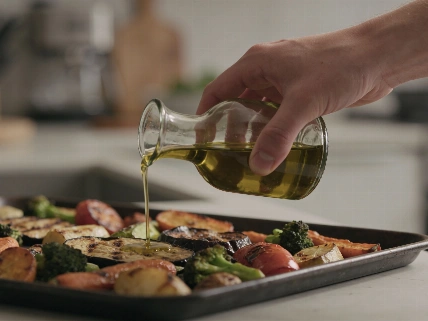
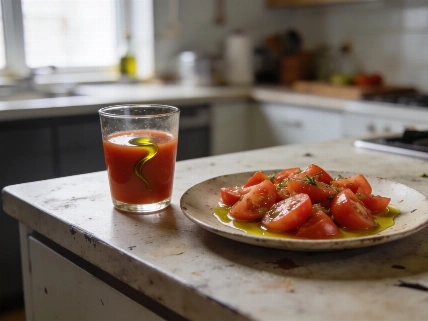
Tomatoes contain lycopene, which the body absorbs more readily with fat such as olive oil. Research backs the pairing in food, not extra benefits from concentrated shots.

Tomatoes contain lycopene, which the body absorbs more readily with fat such as olive oil. Research backs the pairing in food, not extra benefits from concentrated shots.
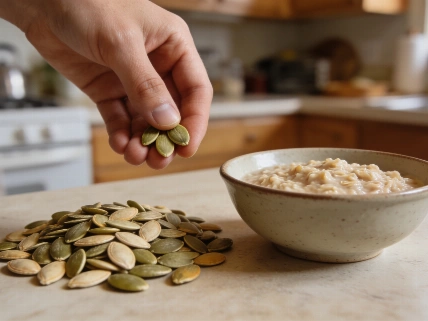
A one-ounce serving supplies magnesium and potassium, but it is no blood-pressure treatment. Sodium and the broader eating pattern matter more than any single snack.
A dietitian's test found ChatGPT useful for meal planning, but its confident answers sometimes followed the user's assumptions or overstated the evidence. Product labels and professional advice still matter.
Research does not establish dandelion root tea as a treatment for bloating or liver detoxification. Its traditional use and the product label leave important limits.
Stemtech is promoting a research framework that links nutrition with regenerative biology. The available evidence does not show that its formulations activate the proposed pathways or regenerate tissue.
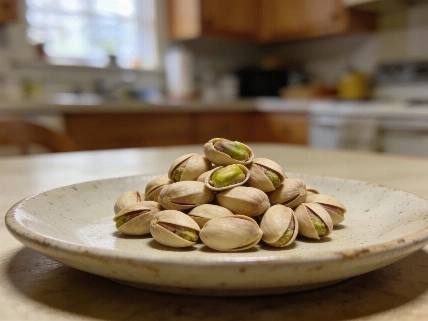
A review points to tryptophan, vitamin B6, magnesium, fibre, polyphenols and plant melatonin in pistachios. Here's how to separate that nutritional profile from proof of a sleep benefit, and what to check on food and shake labels.
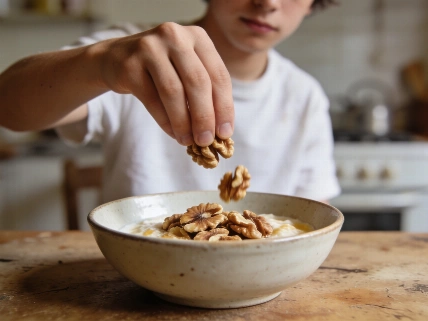
Reports on a 2025 study found better reaction time and memory measures among young adults who ate 50 grams of walnuts at breakfast. The available details are limited, and the findings don't show that walnuts prevent cognitive decline or that breakfast is the best time for everyone.
A review looks at how pistachio nutrients and plant compounds might relate to sleep. It does not show that eating pistachios improves sleep in people, and shoppers should read food-label claims with care.
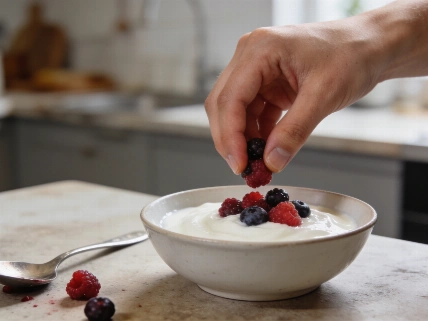
Research on probiotics and respiratory infections shows possible benefits, but the evidence is limited. Here's what yogurt labels can tell you, and what they can't.
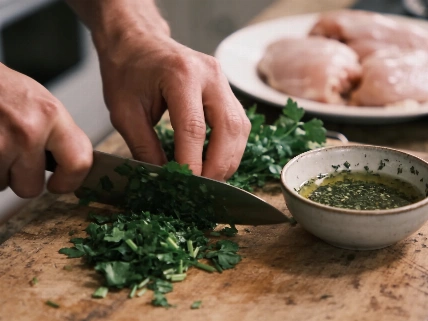
Parsley contains apigenin and other plant compounds studied in early research, but available evidence does not show that eating parsley reduces cancer risk. Here's how to separate preliminary findings from product claims and what to check on labels for parsley or greens supplements.
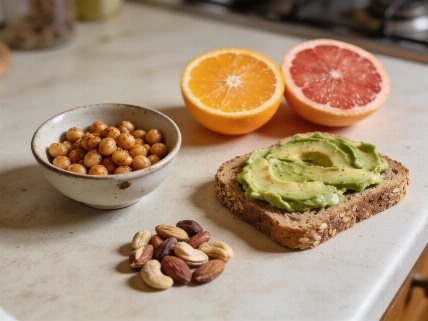
Roasted chickpeas, nuts, avocado toast and citrus can add fiber and unsaturated fats to everyday meals. No snack treats fatty liver disease. Check packaged-food labels for serving size, added sugars and the nutrients a product actually provides.
Vitamin D, iron, B12 and selenium may help some people with hypothyroidism, but the benefit depends on individual needs. Testing and careful label checks can help avoid unnecessary supplements and interactions with medication.
Olive oil is rich in monounsaturated fat, and extra-virgin varieties contain phenolic compounds that differ widely from one product to the next. Here is what the evidence and health claims can tell shoppers, and where they fall short.
The FSA's 10mg-a-day advice is a provisional safety level for healthy adults, not a product dose or proof that a CBD food is authorized. Here's what to check on labels while UK authorizations remain pending.
A review of 95 meta-analyses found no reported link between dairy intake and higher cardiovascular risk. That does not prove dairy is protective: the product, serving size and what it replaces all matter.
TikTok food hacks like cucumber with stevia and cheese as popcorn are spreading bad nutrition advice. Dietitians warn these trends can twist what healthy eating means and even put people at risk. Here's what to know before you trust food tips from social media.
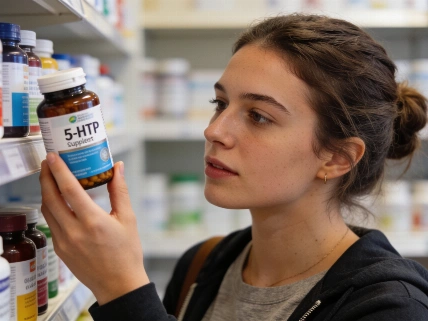
5-HTP is sold as a supplement that might raise serotonin and help mood, but the science is shaky. Here's what to know about where it comes from, what the evidence says, and the real safety risks before you try it.
Turmeric and matcha lattes both promise anti-inflammatory perks, but does your cup actually deliver? The science behind curcumin and catechins shows a more complicated picture than the hype suggests.
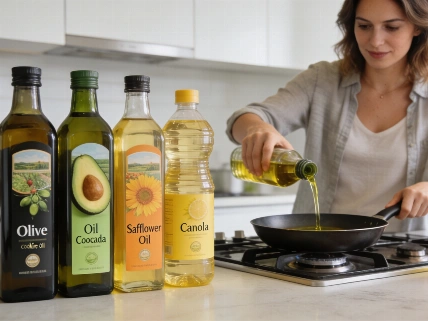
The oil you cook with can shape your heart health and more. Here's what dietitians say about which oils to use every day, and which ones to save for special dishes-backed by the latest research.
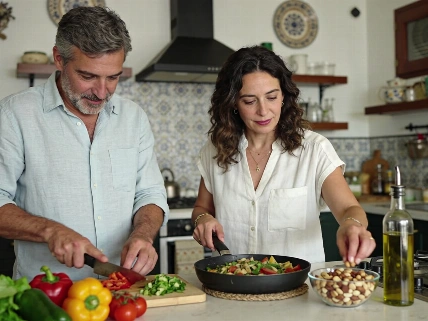
A major Spanish trial linking the Mediterranean diet to lower heart risk was retracted after serious flaws in how participants were assigned to groups. Even so, updated analysis continued to show a connection between the diet and fewer heart problems.
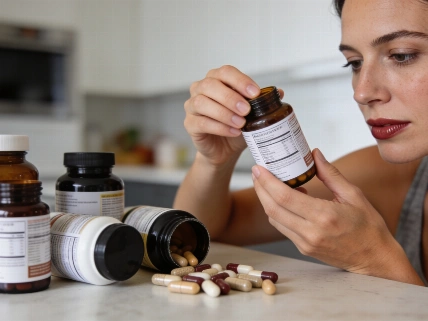
With endless supplement options crowding the market, a registered dietitian cuts through the noise to spotlight the best evidence-based picks for women, from multivitamins to iron and omega-3s, and explains what sets these products apart.