
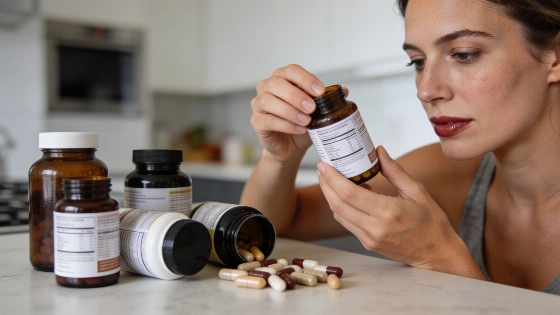
Trying to choose a supplement-whether in the store or scrolling online-can be overwhelming. The bigger challenge isn't just picking something off the shelf, but figuring out which products are actually worth your money. For women, the right supplement can help fill real nutrient gaps and support energy and health, but the wrong one is just a waste.
So what makes a supplement worth considering? Registered dietitian and fitness editor Natascha Grief says it comes down to three things: solid research, effective dosing, and forms your body can actually use. After reviewing and testing hundreds of products, she's clear on one point: quality and transparency matter more than marketing.
Sports Research Omega-3 Fish Oil 1250 mg delivers 1,040 mg total omega-3s per softgel, with 690 mg EPA and 260 mg DHA, and clearly lists its wild Alaska pollock source and MSC sustainability certification.
How to spot a supplement that works
Before adding anything new, Grief recommends women take a step back and look at their own needs. That means ignoring influencer buzz and flashy packaging, and instead checking the ingredient list, the dose, and-most importantly-whether the product is third-party tested. Supplements that go through independent quality checks are much more likely to deliver what they promise, without hidden ingredients or misleading labels.
It's also important to remember that supplements aren't a substitute for a balanced diet. They're meant to support your nutrition, not replace it. And what works for one person might not be right for another, so it's smart to confirm your needs with lab work and a healthcare provider.
The best supplement picks for women
After careful review, Grief recommends these:
- Best overall: Ritual Essential for Women Multivitamin 18+
- Best vitamin D: Thorne Vitamin D-5,000
- Best magnesium: Thorne Magnesium Bisglycinate
- Best omega-3: Sports Research Alaskan Omega-3 Fish Oil 1250
- Best iron: Thorne Research Iron Bisglycinate
Each of these uses well-studied ingredients and effective doses, in forms designed for good absorption. Grief says she would recommend them to clients, family, or take them herself-her endorsement is based on both professional review and personal standards.
Claims Check: The FDA prohibits supplement brands from marketing products as treatments or cures for diseases. Only claims supported by substantial clinical evidence and compliant with FDA regulations are permitted on labels. Always verify that any 'immune support' or 'detox' claim is backed by disclosed ingredient dosages and peer-reviewed research.
If you're focused on fitness, keep in mind that not every supplement is necessary for every goal. As covered earlier, sometimes a cup of coffee is a better pre-workout boost than any powder.
What women should look for when choosing supplements
Ingredient transparency, third-party testing, and a formula that matches your needs are essential. Avoid products that hide behind proprietary blends or make big health claims without evidence. Instead, look for clear labels, published testing results, and brands that welcome scrutiny.
The supplement market is crowded, but a few products stand out for their commitment to evidence, quality, and transparency. Women who want to make smarter choices should expect more from their supplements-starting with the label and ending with real results. Grief's advice is practical: supplements should support, not replace, a solid nutrition foundation, and the best picks are the ones you can trust to deliver what they claim.