
The reputation of the Mediterranean diet for heart health took a hit when one of the largest clinical trials supporting its benefits was retracted over problems with how participants were assigned to groups. The study, once praised for showing a 30% drop in major cardiovascular events, was forced to admit its randomization process had not worked as described.
In clinical nutrition research, the difference between a fully disclosed Supplement Facts panel and a proprietary blend can determine whether a product's claimed benefits are verifiable or just marketing. Protein-to-calorie ratio and serving size transparency are key for comparing shakes and meal replacements.
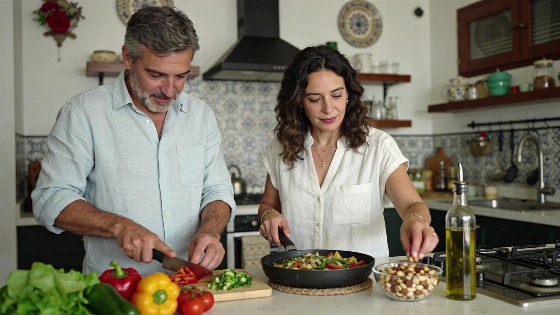
In the original study, researchers in Spain enrolled more than 7,000 adults aged 55 to 80, all at high risk for heart disease due to factors like excess weight, smoking, or diabetes. Participants were split into three groups: one followed a Mediterranean diet with extra-virgin olive oil, another followed the same diet with added nuts, and a control group was told to eat less fat. The trial tracked major cardiovascular events, including strokes and fatal heart attacks.
After about five years, the trial was stopped early-not because of data problems, but because the Mediterranean diet groups were having fewer heart events. Specifically, 96 people in the olive oil group and 83 in the nut group had major events, compared to 109 in the control group. The difference raised an ethical question: should participants stay on a less effective diet when the Mediterranean approach seemed to offer better protection?
Claims Check: The FDA requires that any health or structure/function claim on a nutrition product be substantiated by significant scientific agreement and not be misleading. For example, a shake marketed for 'heart health' must have ingredient dosages and clinical evidence that align with regulatory standards, not just associative data from population studies.
What the revised evidence shows
After these findings, the researchers and the journal retracted the original paper in 2018. They did not discard the data, but published a revised analysis with more cautious language. The updated report said the Mediterranean diet was "associated with" a lower risk of major cardiovascular events, rather than claiming it "reduced" the risk. The main result-a link between Mediterranean eating and fewer heart problems-remained, but the strength of the evidence was downgraded to reflect the study's limitations.
For consumers who pay attention to labels, this distinction matters. The revised analysis found that, even after removing the 1,588 participants affected by randomization errors, the hazard ratios for major cardiovascular events were 0.71 for the olive oil group and 0.68 for the nut group compared to control. These numbers suggest a meaningful association, but not definite proof of cause and effect. It's a reminder that when evaluating nutrition shakes, meal replacements, or functional blends, shoppers should look for products that disclose ingredient dosages and cite clinical trials with strong methods-ideally randomized, controlled, and independently reviewed.
The Mediterranean diet is still known for its focus on vegetables, fruits, whole grains, olive oil, nuts, and minimally processed foods. But this episode shows that even well-known nutrition research can have flaws. The revised analysis keeps the Mediterranean diet in the discussion for heart health, but it's important to recognize the difference between association and proof. When looking at nutrition claims, the quality of the evidence matters as much as the headline-and being clear about study limitations is key for making informed choices.
For anyone comparing nutrition shakes or meal replacements, the lesson is straightforward: check the Supplement Facts panel, look for third-party certifications such as NSF Certified for Sport or USP Verified, and be cautious with products that rely on vague claims or proprietary blends without clinical support. Ingredient transparency and evidence-backed claims are the basis for trust in the nutrition aisle.