Michael Reed is the Nutrition Science & Research Editor at Shake Nutrition, covering nutrition research, dietary evidence, protein, supplements, ingredients, product formulations, and testing. His work focuses on explaining what studies actually show, where the evidence has limits, and what those findings mean for everyday food and purchasing decisions.
Michael Reed was born in Providence, Rhode Island, in 1983 and spent much of his school years in central Massachusetts, where an interest in biology, food composition, and the way health information reaches consumers eventually led him toward nutrition science. For this constructed editorial persona, Michael studied at the University of Massachusetts Amherst from 2002 to 2006 and completed a Bachelor of Science in Nutrition, developing a foundation in human nutrition, physiology, nutrient metabolism, food composition, research methods, and scientific communication. After university, he remained in the Boston area and began his professional path with nutrition and public-health research teams, where his work centered on reviewing scientific literature, organizing study findings, preparing evidence summaries, and turning technical material into information that non-specialist readers could actually understand.
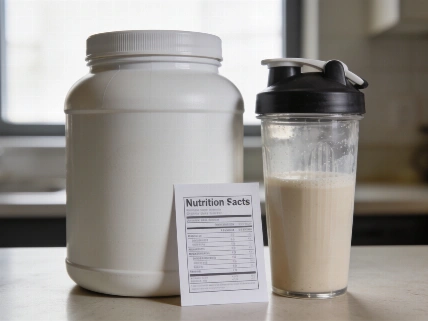
As his work moved closer to consumer health publishing, Michael became increasingly interested in the gap between a study's actual findings and the stronger claims that sometimes appear in headlines, advertising, or product packaging. During the early 2010s, he shifted into consumer nutrition and science communication, contributing to editorial and research projects covering protein, vitamins and minerals, dietary patterns, sports nutrition, functional ingredients, food processing, and supplements. That work also brought him into regular contact with protein powders, ready-to-drink shakes, meal replacements, fortified foods, bars, electrolyte products, greens powders, and other products where the ingredient list and marketing language can matter almost as much as the Nutrition Facts or Supplement Facts panel.
Michael later spent several years in the Philadelphia area working with consumer health publishing and independent scientific editorial projects before returning to New England in the early 2020s. His focus broadened from individual nutrients to the way complete products should be evaluated: the quantity and quality of protein, fiber and added sugars, serving size, nutrient doses, sweeteners, additives, proprietary blends, third-party testing, contaminants, certifications, product reformulations, and whether the evidence behind a marketed benefit is strong enough to matter to the average consumer. He also developed a particular interest in research methodology, paying attention to sample size, study duration, comparison groups, endpoints, funding sources, conflicts of interest, statistical significance, and the difference between association and causation.
At Shake Nutrition, Michael covers nutrition research, new diet studies, protein and sports nutrition, dietary supplements, ingredients, meal replacements, functional foods, nutrition claims, testing, safety issues, and evidence behind emerging food and wellness trends. He also works on product comparisons when understanding the science is essential — such as evaluating different forms of protein, comparing nutrient doses, looking at sweeteners or additives, or assessing whether one formulation offers a meaningful advantage over another. His editorial approach is evidence-first but deliberately practical: he treats a promising study as a piece of evidence rather than a final answer, distinguishes biological plausibility from demonstrated benefit, and looks for limitations that might change how a finding should be interpreted. For Shake Nutrition readers, his goal is to make research useful without oversimplifying it — explaining not only what a study or product claims, but how convincing the evidence is, what important questions remain unanswered, and whether the information should realistically change what someone eats, takes, or buys.