
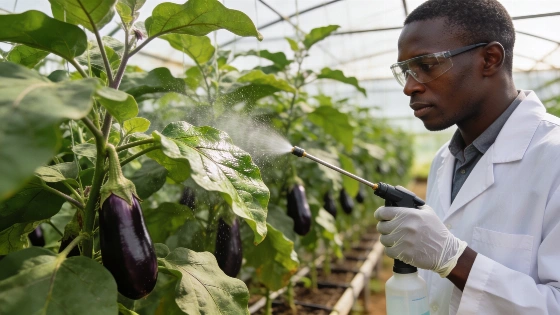
Eggplants sprayed with zinc oxide nanoparticles made from sunflower leaves grew taller, put out more leaves, and packed in more protein and minerals than those given standard fertilizers. That's according to a greenhouse study from Lagos State University. The results hint that plant-based nanomaterials could change both crop yield and nutrition. But so far, no major scientific database or regulatory agency has confirmed these findings.
For people making or buying nutrition shakes and meal replacements, this study taps into a bigger trend: the hunt for plant-based, more absorbable minerals. Still, the claims about sunflower leaf-sourced zinc oxide nanoparticles have not been checked by outside, peer-reviewed sources. No official word has come from regulators or independent science groups.
No independently verified Supplement Facts or nutrient ratios for sunflower-derived zinc oxide nanoparticles in food or supplement products are available as of this review.
In the experiment, researchers took air-dried, ground sunflower leaves and made an extract rich in plant compounds. They used this to make zinc oxide nanoparticles. The particles were rod-shaped, about 4.19 nanometers wide, and held roughly 50% zinc by weight. Researchers sprayed these onto eggplant seedlings at different strengths. The highest dose led to the biggest changes in growth and nutrition.
The study reports more plant height, more leaves, and higher mineral content, along with lower oxidative stress markers. But numbers like 2.45% crude protein and 3.20% carbohydrate content have not been double-checked by outside labs or published in top peer-reviewed journals. This matters for brands and shoppers in the nutrition shake market, where label honesty and third-party testing are key for trust and legal compliance.
The study also skipped toxicity checks and did not compare the nanoparticles to sunflower leaf extract alone. That leaves open questions about safety and the best dose. In the world of supplements and functional foods, the U.S. Food and Drug Administration (FDA) says any new ingredient or process must be proven safe and backed by strong evidence before companies can make claims. The FDA's dietary supplement regulations ban disease treatment claims and require that all ingredients are either approved food additives or listed as Generally Recognized as Safe (GRAS).
Claims Check: While plant-based mineral sources are a growing area of interest, any marketing of zinc oxide nanoparticles for nutritional enhancement must be supported by independent clinical evidence and comply with FDA and EFSA safety standards. Unverified claims about bioavailability or health benefits are subject to regulatory scrutiny and may not be permitted on product labels.
For both makers and buyers, the main point is clear: green-synthesized nanomaterials like sunflower leaf zinc oxide are still in the research phase. They are not ready for food or supplement products without outside validation. Shoppers should look for products with full Supplement Facts panels, third-party seals like USP Verified or NSF Certified, and steer clear of formulas that hide behind proprietary blends or unproven ingredient claims.
Bottom line: The Lagos State University study shows what plant-based nanofertilizers might do, but without independent checks and regulatory review, any claims about nutrition or safety should be viewed with caution. For any new ingredient in shakes or supplements, label transparency, third-party testing, and following food safety rules are non-negotiable.