
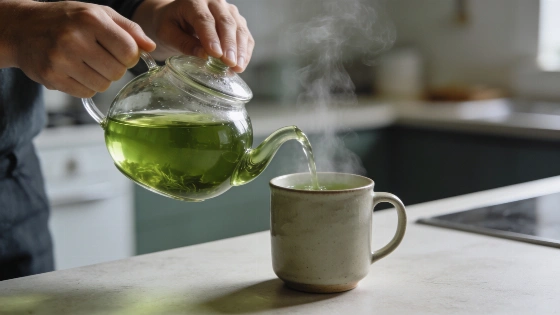
Walk into any grocery store and you'll see green tea marketed as an immune system hero. The truth is less clear-cut. As cold and flu season nears, plenty of people reach for green tea, hoping it will keep sickness at bay. But the science behind its immune claims is mixed at best.
What's in your cup? Green tea packs a punch of plant chemicals called catechins. The most talked-about is epigallocatechin gallate, or EGCG. These compounds act as antioxidants. They help limit cell damage from oxidative stress, which ramps up when your immune system fights off germs. The NIH National Center for Complementary and Integrative Health points out that while green tea does contain these bioactive compounds, the overall health benefits are limited and not conclusive. So far, there's no solid proof it boosts immune function in people.
Most green tea research uses varying forms-brewed tea, extracts, or capsules-making it difficult to translate findings to a standard cup. Label transparency is key: always check if a product discloses actual catechin or EGCG content per serving.
Inflammation is another buzzword. It's part of how your body fights infection, but too much can cause harm. Human studies on green tea's anti-inflammatory effects don't all agree. Some show changes in blood markers, others don't. Reviews in medical journals stress that shifts in lab numbers don't always mean real immune support. This matches what most scientists say: better antioxidant activity in the blood doesn't guarantee fewer colds or less flu.
Some studies hint that green tea catechins might ease certain cold symptoms, like a runny nose or headache. But the evidence is patchy. Most of these studies use controlled doses of catechins, not what you'd get from a regular mug at home. Reviews keep finding the same thing: some symptoms, like nasal stuffiness or headache, might improve, but there's no steady effect on cough, sore throat, or fever. The strongest proof is for changes in oxidative stress and related markers, not for stopping colds or flu before they start.
There's also growing interest in how green tea might help your gut barrier. This lining keeps bacteria and their byproducts out of your bloodstream, which can ease the load on your immune system. Some research suggests green tea catechins can affect this barrier and lower exposure to things that trigger inflammation. But most of these studies use concentrated extracts, not brewed tea. No one knows yet if a normal cup of green tea can really change gut barrier function in a meaningful way.
Claims Check: The FDA prohibits supplement brands from marketing green tea as a treatment or cure for any disease, including colds or flu. Clinical reviews on PubMed confirm that while green tea may alter biomarkers of oxidative stress, there is no reliable evidence it prevents respiratory infections in humans.
If you want to add green tea to your day, how you make it matters. Drink it hot or cold. Follow the brewing instructions to avoid bitterness. Steeping it longer won't give you more benefits. Try adding lemon, mint, or ginger for flavor. Serving it cold is fine. The plant compounds stay put.
Green tea is just one part of the bigger picture. Nutrition experts say a varied diet with enough protein, fruits, and vegetables is key. These foods give you vitamin C, vitamin D, selenium, and zinc. Washing your hands and keeping up with vaccines are still the best ways to lower your risk of getting sick. For more on how food choices affect health, see the earlier report on plant-based foods for well-being.
Green tea's antioxidants and catechins make it a reasonable choice for a balanced routine. But don't expect it to prevent illness or wipe out inflammation on its own. The evidence just isn't there. If you like green tea, keep drinking it. Just don't let it distract you from the basics: eat a variety of foods, get enough sleep, and stay up to date on your shots. That's what really counts. No single mug can do it all.