
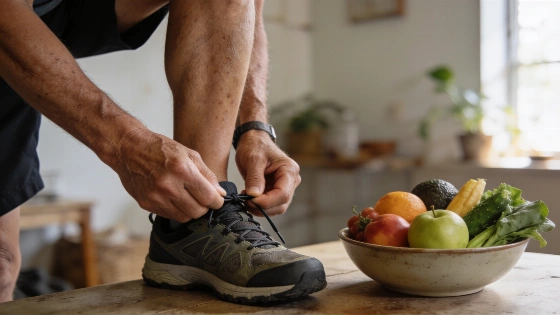
Genes play a part in aging, Hu says. So do daily choices. The aim is not to reverse aging, but to keep up habits that support health over time.
The product description names botanical ingredients and polyphenols, but provides no amounts per serving or complete Supplement Facts panel. Without those details, shoppers cannot assess ingredient doses or compare cost per serving.
Start with habits, not a product
For adults, Singapore's Health Promotion Board recommendations match the WHO range: 150-300 minutes of moderate aerobic activity a week, or 75-150 minutes of vigorous activity, plus muscle-strengthening activity at least twice a week. Adults 65 and older can also benefit from strength and balance work to support function and help reduce fall risk. That is a practical health goal, not proof of an anti-aging effect. Hu says regular activity helps regulate blood sugar and supports heart and metabolic health. More movement through the day and less sitting can add benefits beyond scheduled workouts.
Sleep matters, too. Short sleep is associated with poorer metabolic measures and inflammatory markers, but those links do not prove that sleep loss causes every outcome. The NHLBI sleep overview explains some of the health effects under study. Hu also recommends a varied, balanced diet with whole grains, fruits and vegetables, and less ultra-processed food. He also points to managing stress and not smoking.
FDA does not evaluate dietary supplements for effectiveness before they reach the market in the same way it approves drugs. Antioxidant activity or a list of botanical ingredients does not establish that a finished supplement slows aging, prevents disease or extends healthspan.
These are the basics. A supplement cannot replace them. Judge products marketed for cellular health by their labels and the evidence behind their claims.
What cellular health claims show
Cells do everyday work. They convert nutrients into energy and help maintain and repair tissues. Hu says aging cells can build up molecular damage and undergo structural and functional decline. That helps explain why cellular health comes up in discussions of aging. It does not show that a specific product can slow the aging process.
Amway's Nutrilite AmCELL contains dendrobium orchid, pagoda tree flower, gooseberry, pomegranate and chokeberry. Amway says its scientists screened more than 600 plants and 50,000 plant compounds during development. The product description lists polyphenols such as ellagic acid, rutin, quercetin, cyanidin-3-O-galactoside and gallic acid. Hu says these compounds have antioxidant properties. He says Amway scientists have explored how they may support the body's natural defenses against oxidative stress.
That is company research and a proposed area of support. The material provided does not show that the finished supplement improves healthspan or prevents age-related disease. It also gives no ingredient quantities, serving size, calories, complete Supplement Facts panel or price. Shoppers cannot use the information to check active doses, work out value per serving or compare the product with a protein powder or meal-replacement shake. Those products serve different nutritional purposes. Marketing language alone does not make either an anti-aging intervention.
For any powder or supplement, check the serving size and amounts per serving, the full ingredient list, added sugars where applicable, allergen information and cost per serving. "Cellular support" and "antioxidant" are not substitutes for disclosed doses or evidence on the finished product. Hu says supplements can complement a balanced diet when someone may not get enough of certain nutrients. They should not replace food or routine health habits.
Skin products are a separate choice
Amway is introducing its Artistry LongXevity collection in Singapore. It includes two moisturizing creams for different skin types, an eye cream and a toner essence. Amway research scientist Bethany Thimmesch says the products combine ingredients developed through skincare research with botanicals, including what the company describes as plant-based stem cells. The stated aim is to address visible signs of aging. The material provided includes no outcome data showing how well the products do so.
For skin, Jesse Leverett of Amway Research & Development points to nutrition, hydration, enough sleep, regular exercise and sunscreen. Those general habits are separate from claims about what a particular cream can do.
Healthy aging comes down to long-term habits, not a cellular shortcut. Regular movement, balanced meals and enough sleep have a clearer place in practical guidance than a branded supplement or skincare range. Treat products as possible complements. Check their claims against the evidence and the details on the label.