
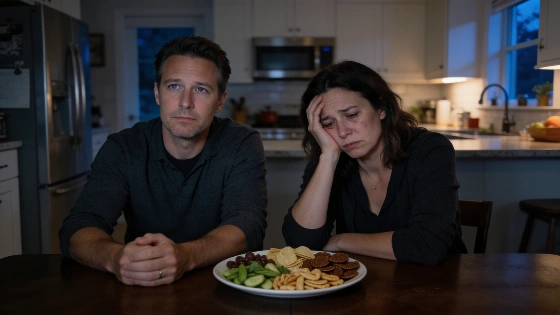
Think your healthy eating is safe just because you slept well? Not quite. New research from Concordia University, published in the Annals of Behavioral Medicine, shows your partner's bad sleep can quietly weaken your own drive to eat healthy-even if you feel rested. The study followed 204 Canadian couples, average age 42. In each pair, at least one person was overweight or obese and trying to improve their diet or exercise.
For three months, couples kept detailed sleep and food diaries. In the first two weeks, they tracked daily efforts to eat healthy. This let researchers see not just what people ate, but also how much effort and confidence they had in making good choices.
The study's design required participants to log both sleep quality and dietary choices daily, providing granular data on how fluctuations in one partner's sleep affected both partners' eating patterns.
The data confirmed what many already know: poor sleep makes it harder to stick to healthy eating. But the real surprise was what happened between partners. When one person had a rough night, the other felt less confident about eating well and put in less effort-even if they themselves slept fine. This pattern showed up for both men and women, though women in the study generally ate healthier and stuck to their goals more than men.
Professor Jean-Philippe Gouin, who led the study, said couples share more than just a home. They share routines and the food in their kitchen. If one person grabs junk food after a bad night, the other is more likely to do the same. This shows why the social side matters when looking at nutrition shakes or meal replacements-shared habits can help or hurt your efforts.
If you check nutrition shake labels, this research is a reminder to look for clear ingredients and serving sizes. If your partner's bad sleep can push both of you toward less healthy choices, products with hidden blends or unclear serving info can make things worse. Look for shakes with full Supplement Facts panels, clear protein-to-calorie ratios, and listed sweeteners. This helps everyone in the house make steady, healthy choices.
Claims Check: The FDA prohibits supplement brands from making disease treatment or cure claims without substantiated clinical evidence. When evaluating shakes or meal replacements marketed for 'weight management' or 'metabolism support,' always cross-reference label claims with published clinical trials and regulatory guidance.
Earlier studies have shown that lack of sleep can hurt a person's eating habits. What makes this study different is its focus on the social side-how the person you live with can shape your own food choices, even if they don't mean to. For more on how sleep and shared eating habits connect, our previous investigation looked at how poor sleep in couples can drag down both partners' efforts to eat healthy.
These results are a wake-up call for anyone trying to eat better with a partner. It's not enough to focus on your own sleep and willpower-your partner's nightly routine matters too. For couples who want real, lasting change, the message is clear: healthy eating is a team effort, and what happens in the bedroom can matter as much as what happens in the kitchen. For more on the science of sleep and nutrition, see this PubMed database of peer-reviewed studies.