
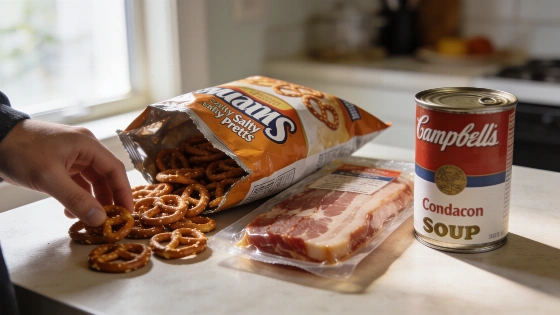
One bowl of canned soup or a handful of pretzels might look harmless. For millions of Americans, though, these foods are quietly making blood pressure worse. Nearly half of U.S. adults now have hypertension. This raises the risk of heart attack, stroke, and kidney disease. The main problem? Foods loaded with sodium that sneak into daily meals and push blood pressure up with every bite.
It's not just what you eat, but how often you reach for salty foods. Recent numbers show about 90% of Americans eat more sodium than they should. The average person takes in about 3,400 mg of sodium a day. That's far above the 2,300 mg upper limit set by U.S. guidelines, and way over the 1,500 mg target often given to people with high blood pressure. This steady sodium overload is a big reason why so many Americans have high blood pressure and related health problems.
The average sodium content per serving in many processed snacks and canned soups can exceed 600 mg, accounting for over 25% of the daily recommended limit in just one portion.
Salty snacks: The hidden sodium trap
Chips, pretzels, and buttered popcorn are more than just a treat. They hit your daily sodium limit fast. Just one ounce of pretzels can give you 15% of the recommended 2,300 milligrams of sodium. Most people eat more than one serving, so sodium adds up quickly. This can leave you feeling bloated and puts extra strain on your blood vessels. Snack makers add extra salt to keep you reaching for more, but your blood pressure takes the hit. Swapping in unsalted air-popped popcorn or lower-sodium pretzels can help. But the biggest benefit comes from cutting back on salty snacks altogether.
Processed meats: A double dose of risk
Bacon for breakfast, ham at lunch, hot dogs for dinner-processed meats are common, but they come with a cost. These foods are packed with both saturated fat and sodium. Eating them often can drive blood pressure higher. Research shows that just 49 grams of processed meat a day-about two slices of deli ham-can raise your risk of hypertension by 30%. Even smaller amounts, like two slices of cooked bacon (about 17 grams), are linked to a 19% higher risk. The message is clear: eat less processed meat and pick fresh, lean proteins or plant-based options if you want to keep your blood pressure in check.
Canned soup: Cozy but costly
Even soups full of vegetables can be loaded with sodium. Just half a cup of condensed canned chicken and vegetable soup can give you 36% of your daily sodium limit. If you're sensitive to salt, you might notice your blood pressure jump after just one meal. Over time, eating lots of ultra-processed canned foods adds up. In a study of nearly 6,000 adults, those who ate the most ultra-processed foods had 23% higher odds of developing hypertension. The fix? Look for lower-sodium options or make your own soup at home. That way, you control the salt and can add more beans, veggies, and herbs for flavor.
Claims Check: While many brands market their soups and snacks as 'heart healthy' or 'low sodium,' FDA regulations require that any 'low sodium' claim means 140 mg or less per serving. Always verify the Nutrition Facts panel, as many products labeled 'reduced sodium' still contain over 400 mg per serving-well above thresholds recommended for hypertension management.
Building a blood pressure-friendly routine
It's easy to focus on what to avoid, but the bigger goal is to build habits that help your blood pressure. Staying hydrated is simple but often missed-adults with high blood pressure are usually less hydrated than those without. Eating a mix of plant foods like fruits, vegetables, nuts, beans, whole grains, and seeds gives you potassium, magnesium, and calcium. These nutrients help relax blood vessels and flush out extra sodium. Regular exercise-150 minutes of moderate aerobic activity a week, as the American Heart Association recommends-also helps manage blood pressure and keeps your heart healthy.
Cooking at home is another strong move. Restaurant and fast food meals are known for high sodium, but making your own food lets you control what goes in. You can focus on foods that help keep blood pressure steady. For more snack ideas that won't hurt your numbers, check out our reported earlier on heart-smart grocery picks.
The real takeaway for everyday eating
No single food will make or break your blood pressure. But the pattern is clear: eating salty snacks, processed meats, and canned soups often can quietly hurt your health. The evidence points to a simple plan-cut back on high-sodium foods, drink enough water, fill your plate with plants, stay active, and cook at home when you can. If you want to manage your blood pressure, these choices matter most. The numbers on your blood pressure cuff add up from your daily habits, and you have the power to change them.
For more on sodium and blood pressure, see the World Health Organization's sodium guidelines and the latest sodium intake data for the U.S. population.