
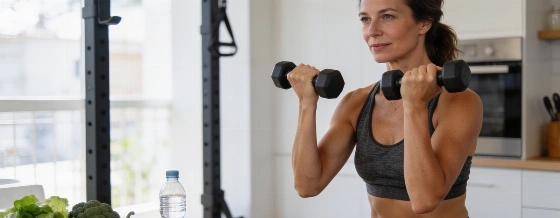
Perimenopause is often seen as a time of loss-energy drops, sleep gets worse, and body shape changes. Abbie Smith-Ryan, PhD, sees it another way. For women in their late 30s and 40s, she calls this a "window of opportunity" to get stronger and lay the groundwork for lifelong health with the right exercise and nutrition.
Smith-Ryan, a top researcher in exercise physiology and women's health, points to the hormone swings of perimenopause as the reason for changes in muscle, metabolism, bone, and mood. These shifts can be tough, but she says women have strong tools to help-if they know how to use them.
For optimal muscle maintenance during perimenopause, aim for about 30 grams of high-quality protein per meal and at least 25 grams of fiber daily-metrics that should be clearly disclosed on any nutrition shake or protein powder label.
Smith-Ryan's main advice is to start resistance training. The science is clear: muscle is not just about looks. It keeps you moving, independent, and helps your metabolism as you age. Her approach is simple-no need for fancy routines or long gym sessions. "Consistency beats complexity," she says. Even one session a week can help women who are new to strength training.
She points to a recent six-week study in perimenopausal women. Just two 30-minute high-intensity resistance workouts a week led to real strength gains, better muscle quality, and early changes in body shape and thinking. Bigger studies, like the LIFTMOR trial, back this up. Eight months of twice-weekly high-intensity resistance and impact training raised spinal bone density by about 3% in postmenopausal women. Low-load groups lost bone. For shoppers, this shows the value of protein-rich shakes and meal replacements that support muscle and bone, especially when paired with regular resistance exercise.
Cardio still counts. Walking, intervals, and short bursts of movement during the day add to resistance work. Smith-Ryan tells women to focus on what they can keep up, and to pick exercise types and intensity that fit their own health and goals-not someone else's standard. The British Heart Foundation notes that keeping muscle strength during perimenopause can help lower heart risk, improve blood pressure, cholesterol, and weight as estrogen drops.
Claims Check: The FDA prohibits supplement brands from marketing shakes or powders as treatments for menopause symptoms or disease prevention. Any product claiming to 'balance hormones' or 'reverse menopause effects' must be scrutinized for clinical evidence and transparent ingredient dosages. Always cross-reference label claims with published research and regulatory guidance.
Nutrition is the other key part of Smith-Ryan's plan. The old "eat less, move more" advice? She says it backfires during perimenopause. Cutting calories too much or not eating enough can slow metabolism. Instead, she urges women to eat better and make sure they get enough food to support their bodies. If you use nutrition shakes or meal replacements, check for enough calories, protein, and fiber-not just low calorie numbers.
Her advice is clear: eat more vegetables. A plant-forward diet-full of vegetables, fruits, beans, legumes, whole grains, good proteins, and healthy fats-should come first. Cut back on highly processed foods. This isn't about being perfect, but about making changes you can stick with. When looking at powdered meal replacements or protein blends, check for full details on protein sources (like whey isolate, pea, or brown rice), fiber types (such as inulin, psyllium, acacia), and sweeteners. Avoid "proprietary blends" that hide ingredient amounts. Look for products with third-party certifications like USP Verified or NSF Certified for Sport for better label transparency.
Protein is key for keeping muscle and bone. Smith-Ryan says aim for about 30 grams of protein per meal, spread through the day and starting with breakfast. Greek yogurt, protein snacks, small meals, or shakes can help if meals alone aren't enough. When reading labels, check the protein-to-calorie ratio (ideally 20-30 grams protein per 200-300 kcal serving) and make sure plant-based blends have a full amino acid profile.
Fiber is another tool that often gets missed. Smith-Ryan suggests 25 to 30 grams a day, from vegetables, fruits, beans, legumes, whole grains, nuts, seeds, and foods like chia seeds. Fiber helps with digestion, feeling full, and heart health-benefits that matter even more during perimenopause. On product labels, check for clear fiber content per serving and the type of fiber, since not all fibers work the same way in the body.
Smith-Ryan's advice isn't about chasing a perfect routine. She wants women to focus on changes they can keep up: move often, add resistance training, include cardio or intervals if they fit, choose high-quality foods, eat enough protein, get more vegetables and fiber, and stay hydrated. "Move your body," she says. "Consistency is number one. Don't worry too much about what it looks like."
For women dealing with the ups and downs of perimenopause, this approach changes the story. Perimenopause isn't just something to get through-it's a chance to build strength and resilience for years to come. Smith-Ryan's evidence-based, straight-shooting advice cuts through the noise. Small, steady steps now can pay off for health later. For more details, her full Appetite for Life presentation is at uncnri.org/AFL.