
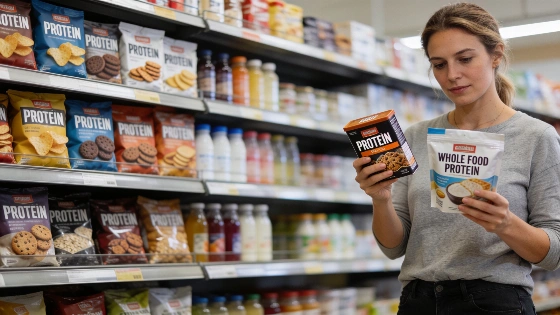
Walk into any supermarket and you'll see protein claims slapped on everything-popcorn, soda, even ketchup. This flood of protein-boosted snacks isn't random. With strength training, healthy aging, and GLP-1 drugs in the spotlight, protein is now the star macronutrient. But does picking up a protein cookie or a fortified soda actually help you eat better, or is it just smart packaging?
In the U.S., a snack can only claim to be a 'good source of protein' if it provides 10-19% of the Daily Value per serving, and 'high in protein' if it delivers 20% DV or more-both require the %DV for protein to be clearly listed on the label.
What protein-boosted foods offer-and where they fall short
If you're busy, have a small appetite, or can't chew traditional proteins, protein-boosted snacks can be a lifesaver. Lindsey Moser, M.S., R.D.N., C.P.T., says these foods are handy when you're traveling, recovering from illness, or just can't sit down for a full meal. Adding protein to snacks can help you feel full longer, keep your energy steady, and cut down on vending machine runs.
Claims Check: Regulatory authorities emphasize that a 'high protein' label only confirms the product meets minimum protein content criteria-it does not guarantee overall nutritional quality. Shoppers should look beyond protein claims and assess the full Nutrition Facts panel, including added sugars, sodium, and fiber.
How to judge a protein-boosted product
Before you toss a protein-labeled snack in your cart, check if it fits what you actually need. Katz says to read the label for calories, added sugar, sodium, saturated fat, and the ingredient list. Sometimes, the protein version of a snack gives you only a few extra grams of protein but costs twice as much, with little real benefit. The best picks start with a nutrient-dense base and add a whole-food protein-like ultra-filtered milk, lentil pasta, or yogurt with added milk protein, as Talia Follador, R.D.N., L.D.N., recommends.
It's easy to get caught up in the protein craze, but most adults already get enough, as reported earlier. More protein isn't always better, and focusing too much on it can mean missing out on other essentials.
Why whole-food proteins still win
Whole foods like meat, beans, and dairy have always been the main source of protein. Katz lists salmon, tuna, chicken, turkey, lean beef, eggs, Greek yogurt, cottage cheese, and tofu as top picks. These foods don't just give you high-quality protein-they also bring omega-3 fats, iron, calcium, vitamin B12, and other nutrients many Americans lack. Relying on whole-food proteins helps round out your diet and supports your health in ways a protein-fortified cookie can't.
The main downside is convenience. Whole-food proteins often need refrigeration, cooking, or pairing with other foods. For people on the go, that can be tough. But the nutrition trade-off is clear: whole foods offer more than just protein-they bring vitamins, minerals, and fiber that processed snacks rarely match.
The real decision: convenience or complete nutrition?
When it comes to protein, whole foods are almost always the better pick-if you have the time and access to prepare them. Katz says high-protein packaged snacks can fill gaps when you're busy or facing challenges, but they shouldn't replace the basics of your diet. The smartest move is to use protein-boosted foods as a backup, not your main source, and to check the label before assuming a product is healthy just because it shouts "protein" on the front.
Protein-boosted snacks might be a quick fix, but they rarely match the full nutrition of whole foods. For most people, better health still starts in the produce aisle, the dairy case, and the butcher-not the snack shelf. The protein trend isn't going anywhere, but the basics of good nutrition haven't changed: stick with whole foods, read the label, and don't let marketing claims push out the nutrients your body really needs.