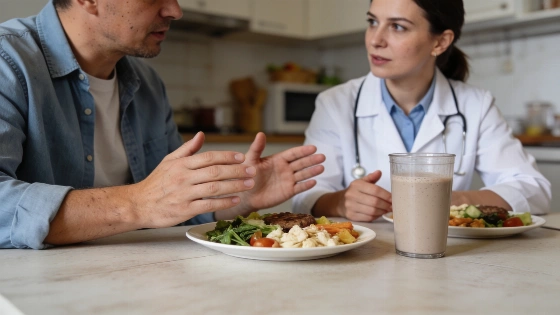
A registered dietitian with more than 20 years of experience tested ChatGPT on everyday food questions. The tool handled basic queries and meal brainstorming reasonably well, but its answers shifted with the wording of a question. At times, it reinforced the user's assumptions or overstated what research showed, missing details that matter in individual care.
A Supplement Facts panel can show nutrients per serving, but a proprietary blend may list only the blend's total weight-not the amount of each ingredient. That makes it harder to compare a formula with a product that discloses individual ingredient amounts.
Where ChatGPT helped
For general questions, ChatGPT suggested appropriate foods and practical recipes based on available ingredients. After follow-up prompts, it produced a usable grocery list. It also explained a media headline that repeated the misconception that carbohydrates inherently cause weight gain. Asked for a one-week 1,500-calorie meal plan, it generated one the dietitian found fairly accurate, while noting that individual needs vary. That calorie target is not a personalized prescription.
As a brainstorming tool, it can also help shoppers turn a label into specific questions. How much protein is in the stated serving, and how many calories come with it? Does the ingredient list identify whey or pea protein? Check separately whether the label discloses sweeteners, added sugars, fibers such as inulin, or potential allergens. Those details tell a shopper more than broad claims such as "clean" or "gut friendly."
When comparing products, check the scoop weight and servings per container before looking at the price per serving. A larger tub can cost more per serving if each scoop is bigger. Protein-to-calorie comparisons show how concentrated a product is, but they do not establish that it can replace a meal. Added vitamins and fiber matter too, as does the person's overall eating pattern. Shake Nutrition's "A Better Snack Starts With One Practical Question" guide offers a way to start with what someone needs from a food choice.
AI can explain ingredient terminology, but it cannot confirm a product's quality or testing status unless the information is documented and independently verifiable. NSF Certified for Sport certification and USP verification are not interchangeable with a brand's own quality language. For general supplement questions, the NIH Office of Dietary Supplements' consumer guide is a better reference than an unverified chatbot answer.
Where answers become risky
The clearest weakness was how readily ChatGPT echoed the user's position. When the dietitian framed carbohydrate restriction as a strategy that worked, the system was more likely to validate it. Change the framing to a negative one, and the answer leaned the other way. That agreeable tone can narrow the picture, even when a response sounds reassuring. Asking whether a powder "boosts metabolism" does not establish that its formula or evidence supports the promise.
ChatGPT's research explanations also sounded more definitive than the evidence warranted. The dietitian found cases where the system said a nutrient prevented disease, though the study supported only an association. An association does not establish cause and effect. Nor does it prove that a particular ingredient, dose or finished product delivers a health benefit.
Personalized questions exposed another limit. A query about high cholesterol and blood sugar needed more context, as did questions involving gluten-related diagnoses or medication interactions. Rapid weight-loss questions also called for follow-up. ChatGPT sometimes asked for more information and advised consulting a health professional or pharmacist, but it cannot conduct the comprehensive assessment a registered dietitian can. A product label alone cannot show whether a shake fits with someone's medication, diagnosis or treatment plan.
When a professional should lead
Professional guidance matters when nutrition intersects with a medical condition or medication. Pregnancy, sports performance and a specific weight goal also call for an individual assessment. A dietitian can consider a person's diagnosis and lab results, then weigh those against treatment and practical circumstances. An AI response may not have that information. In the United States, FDA guidance for AI-enabled medical devices addresses validation and ongoing oversight. That guidance applies in a different regulatory context from treating a general-purpose chatbot as a clinically validated nutrition tool.
Food-related distress is another reason to seek qualified care rather than rely on a chatbot as the main source of support. Severe restriction is one warning sign. Binge eating is another. Anxiety or guilt around eating, along with preoccupation with weight, also calls for professional help. A supplement or shake label cannot replace individualized advice about a diagnosed condition or therapeutic diet.
ChatGPT can generate meal ideas and explain nutrition terms, but its confident tone does not prove an answer is accurate. A product's marketing does not prove its claims either. Check the Nutrition Facts or Supplement Facts panel for serving size, then verify ingredient amounts and the cost per serving. Bring health-specific decisions to a registered dietitian or another qualified professional.