
Can a kitchen staple really help bring down your cholesterol? For dietitians who stick to practical, evidence-backed advice, cinnamon now leads the pack for people looking to support heart health with everyday foods.
Cinnamon isn't just about its warm taste. More studies now point to its possible role in lowering LDL cholesterol and triglycerides, especially for people with type 2 diabetes or metabolic syndrome. In 2025, an umbrella review in Frontiers in Nutrition pulled together data from 21 meta-analyses and 139 placebo-controlled comparisons. The review found that cinnamon supplements were linked to drops in HbA1c, total cholesterol, LDL cholesterol, and blood pressure. The biggest effects showed up in people with metabolic risk factors.
Most clinical trials on cinnamon use daily doses between 1-6 grams, with higher intakes sometimes linked to greater increases in HDL cholesterol. Always check the Supplement Facts panel for exact dosage and cinnamon type.
No single food or spice can fix high cholesterol. But cinnamon stands out for a reason. Its bark is packed with cinnamaldehyde, cinnamic acid, catechins, and procyanidins. These are compounds with antioxidant and anti-inflammatory effects. They may help cut down inflammation and oxidative stress, both tied to heart risk. Cinnamon's ability to help lower blood sugar in people with diabetes matters too, since high cholesterol and high blood sugar often go together.
In medical research, cinnamon isn't called a "cholesterol medicine." It's a dietary supplement. Reviews and meta-analyses show it can make small improvements in cholesterol numbers, but the size of the effect depends on the dose and who's taking it-especially people with type 2 diabetes or metabolic syndrome. Still, the changes are usually modest, and results aren't always the same from study to study.
If you're shopping for nutrition shakes, superfood blends, or powdered supplements, pay close attention to the label. Look for products that say exactly what type of cinnamon they use (Ceylon or cassia), how much is in each serving, and whether they've been tested by a third party. Cassia cinnamon has much more coumarin, a compound that can harm the liver if you get too much over time. The European Food Safety Authority (EFSA) says the safe daily limit for coumarin is 0.1 mg per kilogram of body weight. That makes Ceylon cinnamon the better pick for regular use. For more on safety, check the EFSA scientific opinion on coumarin.
Claims Check: While some brands market cinnamon as a 'cholesterol-lowering superfood,' regulatory authorities and clinical guidelines emphasize that cinnamon should not replace proven interventions such as statins, dietary fiber, and physical activity. The NIH warns that cassia cinnamon's coumarin content can pose liver risks at high doses, and supplements should be used with caution and under professional guidance.
Dietitians like Jordan Hill, RDN, CSSC, and Renee Korczak, Ph.D., RDN, CSSD, LD, suggest using cinnamon along with other spices like cayenne, garlic, ginger, and turmeric. But as Korczak points out, "not all spices are created equally." The evidence for cinnamon is stronger than for most, but it's not a cure-all. Supplements should never take the place of healthy habits or prescribed medicine. Anyone thinking about cinnamon supplements should talk to a healthcare provider first.
How to use cinnamon for heart health
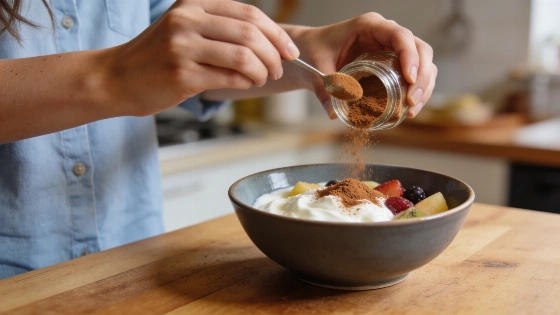
For most people, using ¼ to 1 teaspoon of cinnamon powder a day is safe. If you plan to use it often, Ceylon cinnamon is safer than cassia because it has less coumarin, which can hurt the liver if you get too much. Cinnamon works in both sweet and savory foods. Stir it into Greek yogurt, sprinkle it on coffee grounds before brewing, mix it into pancake batter, or add it to chili, stews, and dry rubs for meat or plant-based proteins. Even a pinch in your morning coffee or tea can change up your routine.
But cinnamon isn't enough on its own. The basics for lowering cholesterol are still a diet high in fiber, regular exercise, and keeping a healthy weight. As shown in recent reporting, fiber is key for healthy blood sugar and cholesterol. Spices like cinnamon can boost flavor, which helps people cut back on salt, sugar, and saturated fat-important steps for heart health.
What high cholesterol means and what really works
High cholesterol is a major risk factor for heart disease that you can change. The liver makes cholesterol, which the body needs for hormones and vitamin D, but too much in the blood can build up in arteries and raise the risk of heart attack and stroke. The first step is changing what you eat. Eating more whole grains, beans, nuts, seeds, fruits, and vegetables adds fiber, which helps lower cholesterol. Picking lean proteins like chicken, turkey, fish, tofu, and tempeh, and cutting back on red meat, cheese, and alcohol, also helps keep cholesterol in check.
If cooking at home is tough, meal delivery services with low-cholesterol options can help. For a plan that fits your needs, working with a registered dietitian is a smart move.
The bottom line on cinnamon and cholesterol
Adding cinnamon to your meals is an easy, tasty way to support a heart-healthy diet. But it's not a replacement for the basics: fiber-rich foods, regular movement, and balanced nutrition. The research on cinnamon's cholesterol-lowering effects is promising, especially for people with diabetes, but results aren't guaranteed and studies don't always agree. Used wisely, cinnamon can be a helpful tool in the kitchen-one that makes healthy eating more enjoyable. If you're thinking about supplements, get advice from a professional to avoid problems and stay safe. In a world full of quick fixes and miracle claims, cinnamon is a realistic, evidence-based addition to a heart-smart diet-no hype needed.