
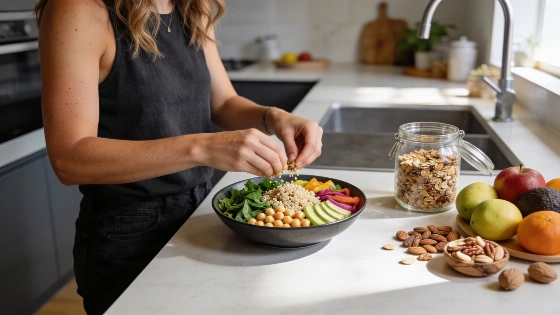
This Mediterranean meal plan skips bland rules and empty promises. It's built for people who want real results. Sodium stays under 1,500 mg a day. Fiber and potassium take center stage. The plan runs for seven days and is made for anyone dealing with high blood pressure or trying to avoid it. Every day, you get at least 73 grams of protein and 34 grams of fiber. Calories land around 1,800. The focus isn't just on what to cut out. It's about what to eat: whole foods, fresh produce, and filling protein.
Fiber is the real star. Only about 7% of U.S. adults hit their daily fiber goal, according to some claims. But newer independent reviews say about 95% of Americans actually miss the mark. The target is 14 grams of fiber for every 1,000 calories-about 25 grams a day for women and 38 grams for men. Potassium, the top nutrient for lowering blood pressure, runs through the plan thanks to fruits, vegetables, beans, and nuts. The American Heart Association backs the Mediterranean diet for a reason. Its focus on simple, home-cooked meals keeps sodium low and nutrients high.
The plan's daily targets-at least 73g protein, 34g fiber, and sodium capped at 1,500mg-exceed typical U.S. intakes and align with clinical recommendations for heart health.
How the meal plan works
Each day is balanced. Breakfasts switch between Lemon-Blueberry Granola with Greek yogurt and Peach Pie Overnight Oats with walnuts. Both land between 400 and 500 calories. Lunches bring fiber, like Mixed Greens with Lentils or Chickpea & Roasted Red Pepper Lettuce Wraps with Tahini Dressing. Dinners go from Apricot-Glazed Chicken with Quinoa Pilaf to Mahi-Mahi Fish Tacos, always with plenty of vegetables on the side.
Snacks matter, too. Peanut Butter-Date Energy Balls, fresh fruit, and nuts help keep hunger away and nutrition steady. If you need more or fewer calories, the plan gives clear ways to adjust for 1,500 or 2,000 calories. It never drops to 1,200, since the FDA's nutrition guidance and the 2020-2025 Dietary Guidelines for Americans say that's too low for most adults.
Meal prep is part of the plan. Granola and energy balls are made ahead. The Chickpea & Roasted Red Pepper Lettuce Wraps are prepped for several lunches. This isn't just about saving time. It's about making healthy choices the easy, automatic option all week.
Claims Check: While many products market themselves as 'heart healthy' or 'blood pressure friendly,' only those with transparent sodium, fiber, and potassium content-and no unsubstantiated disease claims-meet FDA labeling standards. Always verify that claims are supported by disclosed nutrient amounts and not hidden behind proprietary blends.
What the numbers reveal
The numbers are clear. Calories stay close to 1,800. Protein never drops below 73 grams. Fiber always hits or beats 34 grams. Sodium stays under 1,500 mg. Potassium-rich foods like lentils, bananas, and leafy greens show up every day. On Day 1, for example, you get 1,793 calories, 73g fat, 85g protein, 219g carbs, 40g fiber, and just 988mg sodium. Other days are similar, with small changes to keep things interesting and balanced.
Repeating meals is fine-and even encouraged if you like routine. Swapping breakfasts or lunches is easy, since each meal fits the same calorie and nutrient range. The plan is flexible on purpose, matching how people actually eat.
Evidence and practical impact
Current clinical studies back the Mediterranean diet for lowering blood pressure, especially when you add high-fiber foods and keep sodium low. The DASH diet, which is a lot like this plan, shows the biggest drop in blood pressure when sodium is capped at 1,500 mg a day. That's the same limit the American Heart Association and top cardiology guidelines recommend. For fiber, the 14g per 1,000 kcal rule is widely used in nutrition science and shows up in recent PubMed reviews on heart risk.
Cooking at home isn't just a lifestyle trend. It's a proven way to control sodium and make sure meals are built around whole, nutrient-rich foods. This plan leans on fruits, vegetables, whole grains, beans, fish, chicken, and nuts. That's not just the Mediterranean way-it's what the evidence supports.
If you want cheaper or easier options, reported earlier meal ideas show you can build balanced, high-fiber lunches on a budget without losing nutrition.
Key takeaways for everyday eating
Mixing and matching meals is easy and practical. The plan lets you repeat or swap meals, so it works for busy days and picky eaters. There's no 1,200-calorie version on purpose. That matches current dietary guidelines and supports long-term health, not quick fixes.
Fiber does more than help digestion. It supports weight control, blood sugar, and heart health. Still, most Americans don't get enough. This plan doesn't just meet the minimum. It raises the bar for a week of heart-smart eating.
With clear nutrition targets, built-in flexibility, and a focus on real evidence, this Mediterranean meal plan is a practical guide for anyone serious about using food to manage blood pressure. The real strength is its simplicity: whole foods, smart prep, and nutrients that count. For readers ready to take charge of their meals, this plan gives a clear, doable path-one that delivers results, meal by meal.