
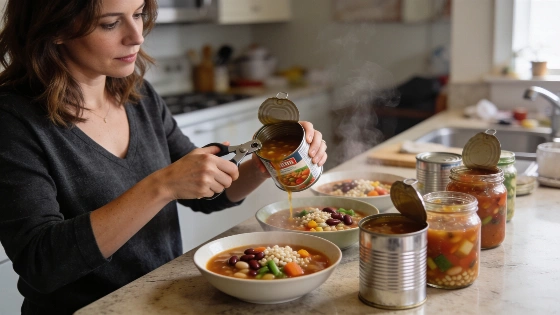
Forget the old advice to avoid canned soups. If you know what to look for, these pantry staples can be a real help for anyone trying to eat well as they age. The right can brings protein, fiber, and key nutrients, all ready in minutes. But not every soup is equal. Some are loaded with salt, while others actually offer real nutrition.
Dietitians say your body's needs change as you get older. You need more protein to keep muscle, and fiber matters for your gut and heart. The best canned soups do more than just fill you up-they help you meet these needs without hours in the kitchen. But with so many choices, which cans are worth it?
Pacific Foods Organic Chicken and Wild Rice Soup contains 11 g protein and 640 mg sodium per can, while Campbell's Protein Mediterranean Lentil Soup delivers 20 g protein but with a sodium load of 1,120 mg per can-highlighting the trade-off between protein and sodium in real-world labels.
What makes a canned soup worth buying
Recent sales data show that even "light" or "reduced sodium" soups can have very different protein levels. Amy's Black Bean Vegetable Soup has 9 g protein and 540 mg sodium per can. Amy's Chunky Vegetable Soup Reduced Sodium drops to just 3 g protein, with almost the same sodium (530 mg). So, less salt doesn't always mean more protein. That's something to watch for when you read labels.
If you want a soup with moderate sodium and more protein, Pacific Foods Organic Chicken and Wild Rice Soup is a good pick. It has 11 g protein and 640 mg sodium per can, based on current store listings. That's a bit less protein than some ads claim, but it's still a solid choice if you're watching both protein and salt. Chicken, vegetables, and whole grains like brown and wild rice help boost both protein and fiber, making it more filling than plain broth soups.
Vegetarian soups can work too, but you have to check the label. Amy's Organic Lentil Vegetable Soup, Light in Sodium, is often mentioned for its plant protein and fiber, but the real numbers may not match the hype. Lentil soups usually give you a better mix of protein and fiber than soups with just vegetables. That helps with muscle and keeps you full-both important as you age.
Claims Check: While many canned soups highlight 'high protein' or 'reduced sodium' on the front label, only a full review of the Nutrition Facts panel reveals the true nutrient trade-offs. The FDA requires that 'good source' claims for protein or fiber meet specific thresholds per serving, but sodium content can still approach or exceed half the recommended daily limit in a single can.
Campbell's Protein Mediterranean Lentil Soup stands out for protein and fiber, with 20 g protein and 9 g fiber per can. But it also has 1,120 mg sodium-over half the World Health Organization's daily sodium limit of 2,000 mg for adults. This is common: soups with more protein often come with a lot more salt. That's why you need to check all the numbers, not just protein.
If fiber is your main goal, Campbell's Protein Southwest Black Bean Soup and Amy's Organic Pasta Fagioli Soup both have double-digit grams of fiber per can. But protein and sodium still vary. The best bet is to look for soups with at least 10 g protein and 4-5 g fiber per serving, and try to keep sodium under 700 mg per can if you can. According to the latest nutrition guidance, 3 g fiber per serving is a "good source," and 5 g or more is "excellent."
How soup fits into healthy aging
Soup alone won't keep you healthy as you age, but it can help when you pair it with other habits. Experts say keeping your muscles strong with resistance or strength training is key, since muscle starts to drop after age 30. Staying connected with others-sharing meals, joining groups, or just keeping in touch-can also slow down aging linked to loneliness.
Don't worry about convenience. Having good canned soups at home makes it easier to eat well on days when you don't want to cook, especially if you live alone or have a smaller household. Sleep matters too. Aim for seven to nine hours of good sleep, since poor rest is tied to early disease and faster aging.
How to shop the soup aisle smart
Don't buy into the myth that only fresh foods are worth your time. The canned soup aisle has plenty of options that can help you get enough protein, fiber, and nutrients-if you know what to look for. Pick soups with at least 10 grams of protein and 4 grams of fiber per serving. Always check sodium, especially if you have high blood pressure or heart issues. Look for real vegetables, beans, and whole grains in the ingredients. You can always add extra veggies or beans at home to boost nutrition.
If you want to know more about how nutrients help with healthy aging, the role of fiber, protein, and antioxidants is covered in recent coverage. A varied, nutrient-rich diet is still your best bet for long-term health.
When it comes to aging well, you don't have to choose between convenience and nutrition. The right canned soup can be a simple, affordable way to support your muscles, heart, and digestion-no chef skills needed. The key is learning to read the label, pick the best cans, and use them as part of a bigger plan that includes movement, connection, and rest. When time and energy are short, a good can of soup is more than just a meal. It's a smart step for your future health.