
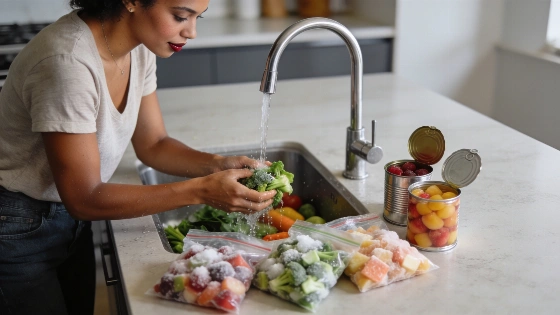
It's time to drop the idea that only fresh fruits and vegetables count. Frozen and canned produce can be just as good, or even better, for nutrition, shelf life, and ease-if you know how to shop.
USDA research confirms that frozen vegetables are typically harvested at peak ripeness and rapidly frozen, preserving vitamin content that may otherwise degrade during storage and transport.
Why frozen and canned can go toe-to-toe with fresh
Frozen fruits and vegetables are usually flash-frozen right after picking. This locks in nutrients that might otherwise fade during shipping and storage. USDA guidance points out that this is especially important for vitamins like vitamin C, which break down quickly. So, a bag of frozen broccoli might actually have more vitamin C than the bunch that's been sitting in your fridge all week.
Studies from the University of Illinois and other research groups show that sometimes, frozen and canned produce holds onto more nutrients than "fresh" items that have spent days in trucks and on shelves. Canned vegetables, for example, keep minerals and fat-soluble vitamins well. Water-soluble vitamins like vitamin C and some B vitamins can drop during the canning process, but heating can also make some antioxidants, like lycopene in tomatoes, easier for your body to use than in raw tomatoes.
Claims Check: While brands may market canned or frozen produce as equally nutritious to fresh, regulatory and academic reviews confirm that nutrient retention depends on processing methods and storage. Official guidance from the FDA and USDA recognizes frozen and canned fruits and vegetables as valid components of a healthy diet, provided consumers check for added sodium and sugars.
Fresh produce: The good and the not-so-good
Fresh fruits and vegetables taste great and have the best texture, especially when you eat them raw. Their mix of antioxidants, vitamins, and minerals can be a plus-but only if you eat them soon after buying. Fresh produce usually costs more, goes bad faster, and takes more work to prep. There's also a real risk of foodborne illness, as seen in recent outbreaks tied to fresh produce. This risk comes from the way food is shipped and the challenge of keeping everything safe along the way.
If you have a sensitive stomach, cooked or frozen produce can be easier to digest than raw or underripe fruits and vegetables. This matters for people choosing between ready-to-drink shakes, meal replacements, or superfood blends, since how ingredients are processed can change how your body handles them.
Convenience and cost: What really matters
Frozen and canned produce lasts longer, costs less, and is always in season. That makes it a smart pick for busy families or anyone trying to waste less food. For nutrition shakes and meal replacements, check the Supplement Facts panel to see if the fruit or vegetable is freeze-dried, powdered, or concentrated, and look for added sugars or sodium. Clear labels help you compare cost per serving, protein-to-calorie ratios, and whether you're getting fiber or antioxidants.
In the end, the nutrition gap between fresh, frozen, and canned is usually smaller than most people think. The real trick is to mix things up and read labels-pick what helps you eat fruits and vegetables often, whether whole or blended. As we showed in our cheese nutrition breakdown, the best move is to use every option to keep meals balanced, affordable, and doable. That kind of flexibility is what really supports healthy eating day to day.