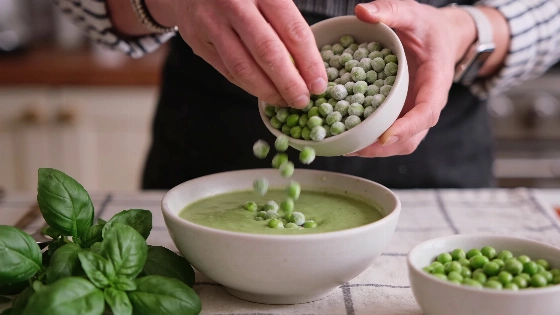
Once peas are picked, their sweetness can fade quickly. Bobby Flay says he prefers frozen peas to fresh ones 90% of the time because they can be frozen at peak sweetness, while fresh peas may turn starchy if they are not used soon after picking.
For a recipe that calls for peas, the freezer can save time: there is no shelling and no rush to use the harvest. Packaged options still deserve a closer look. A broad freshness claim does not tell shoppers what is in the product.
Fresh peas need quick handling
Flay is not saying fresh peas are never worthwhile. He calls them wonderful, but their texture and sweetness can change quickly after picking. EatingWell senior nutrition editor Jessica Ball, M.S., RD, notes that frozen peas can help in places with short growing seasons. They also save the time needed to shell fresh peas.
What happens between harvest and the plate matters. One estimate cited in nutrition coverage says green peas can lose about half their vitamin C in the first two days after picking if they are not frozen. The estimate also covers broccoli and beans. Freezing does not keep every nutrient unchanged: blanching before freezing can reduce some heat-sensitive, water-soluble vitamins.
There is no universal nutrition winner. Peas eaten soon after harvest may compare differently with those that have spent days in transit or storage. Fiber and several minerals are generally reported to differ little between fresh and frozen vegetables. For a like-for-like reference, shoppers can consult USDA FoodData Central and match both the form of the food and the serving weight.
Read the package, not just the claim
For plain frozen peas, check the ingredient list and Nutrition Facts panel. Seasoned or sauced varieties can have different ingredients and sodium levels. The FDA label guide explains how serving size and nutrient amounts are presented, but the package serving may not match the portion you eat. As with protein powders and meal-replacement shakes, a number only helps when its serving basis is clear.
Senior editor Megan Ginsberg values the convenience. Garden peas need to be picked and shelled, then used promptly; frozen peas are ready to add. She puts them in pasta and rice dishes. Editorial director Carolyn Malcoun serves them as a simple side with crispy baked chicken cutlets.
Use them in cold or weeknight dishes
Frozen peas work beyond hot meals. Flay's Chilled Green Pea Soup with Green Chile Pesto, Basil Crema and Crispy Shallots offers a chilled option for summer. EatingWell also suggests peas in recipes such as quinoa with peas & lemon and pea pesto gnocchi with burrata. A sheet-pan salmon dinner guide offers another practical weeknight format.
For most recipes calling for shelled peas, frozen is a sensible default: the prep is done, and the peas may have been frozen soon after harvest. Fresh peas still work when they can be used right away. Neither format is automatically an upgrade.