Build a Flexible Weeknight Dinner Around Sheet-Pan Salmon
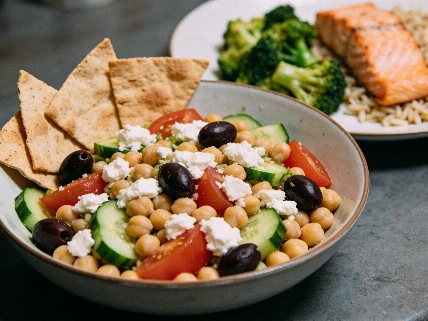
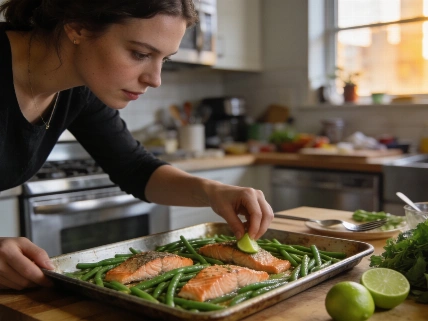
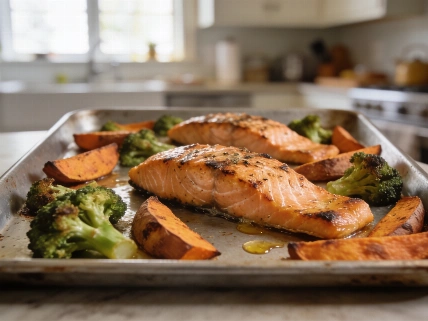
Salmon, potatoes and vegetables can make a practical sheet-pan dinner with little prep. The portions and packaged seasonings or glazes you use affect its nutrition.

Salmon, potatoes and vegetables can make a practical sheet-pan dinner with little prep. The portions and packaged seasonings or glazes you use affect its nutrition.
Gut microbes may affect hormone-related signals, but the evidence ranges from animal experiments to human associations. Here is what those findings say, and what they do not prove about powders, shakes, and supplements.
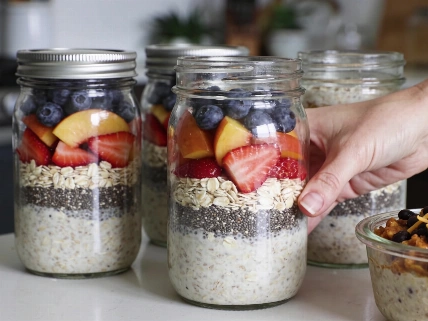
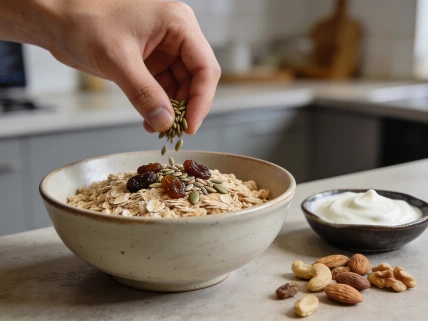
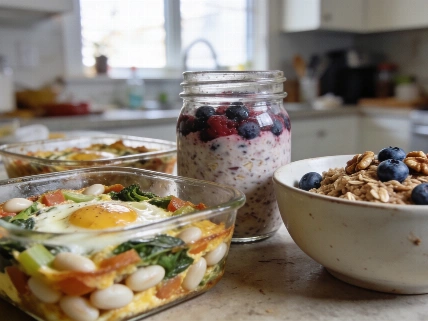
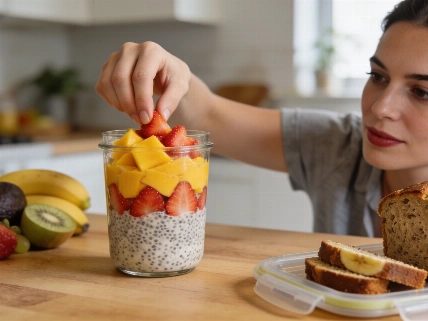
These make-ahead breakfasts range from black bean and Cheddar oats to fruit-filled jars. Here's what oats, yogurt and optional protein additions can, and can't, tell you about fiber, protein and gut-health claims.
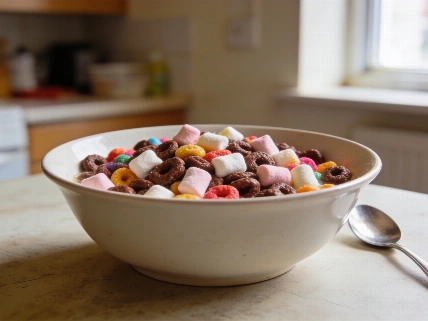
A supplied countdown puts Chocolate Marshmallow Mateys at the top, but gives no verified sugar figures per serving. UK free-sugar guidelines offer context, but the cereal's current pack is needed to assess a bowl.
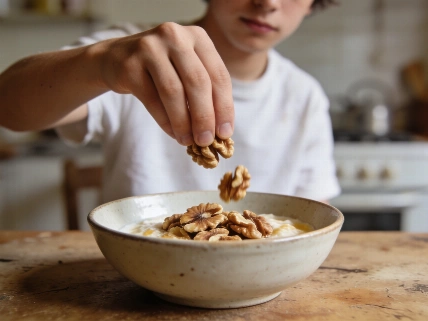
Reports on a 2025 study found better reaction time and memory measures among young adults who ate 50 grams of walnuts at breakfast. The available details are limited, and the findings don't show that walnuts prevent cognitive decline or that breakfast is the best time for everyone.
A higher-fiber cereal with less added sugar can fit a supportive eating pattern, but it is not a treatment for high triglycerides. Here is what five cereals offer, and what their Nutrition Facts panels cannot tell you.
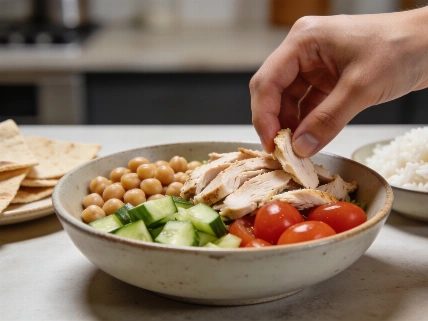
Ready-to-eat chicken and chickpeas make this dinner quick to assemble, with vegetables and rice or flatbread on the side. Check labels to compare protein, sodium, ingredients and allergens, and remember that recall notices apply to specific products and lots.
During menopause, high-sodium meals and sugary, low-fiber foods can work against heart-health goals. Dietitians suggest practical swaps and a closer look at the serving size, protein and fiber in nutrition shakes.
These 29 dinner ideas take 30 minutes or less and provide at least 6 grams of fiber per serving, according to the supplied recipe overview. That serving figure is a practical measure, not proof of a specific gut-health effect.
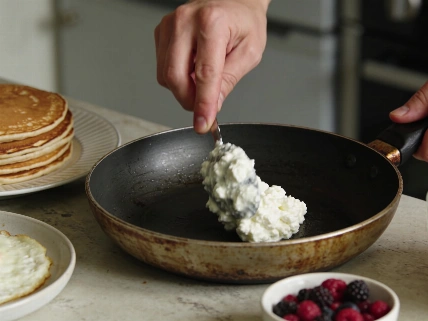
These five cookbooks cover cottage cheese recipes, eggs, whole-grain baking, seasonal cooking and brunch. Several details could not be independently confirmed, so here is what is reported and how to check a recipe's nutrition for yourself.
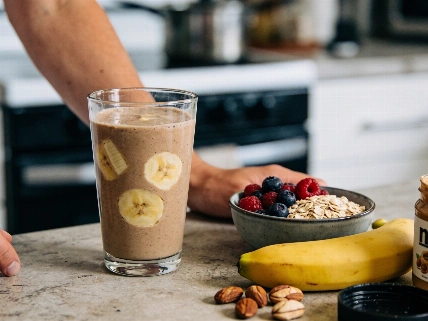
These four coffee smoothies mix coffee with banana, peanut butter, berries, oats and soy milk. The recipes give no nutrition breakdown, so ingredients and portions matter when you assess sugar, calories and protein.
This collection brings together 50 recipes using familiar Australian cereals, from sweet slices and balls to savory kid-friendly bites. It offers snack inspiration, not a nutrition comparison: the supplied recipe details lack the serving sizes and nutrient data needed to assess the finished snacks.
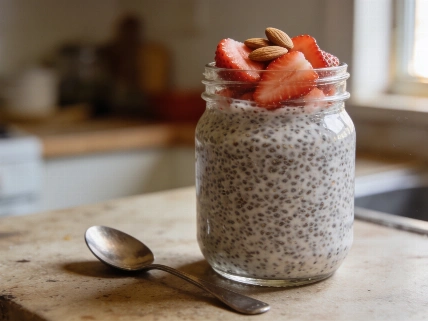
The 20 saved recipes include overnight puddings, smoothies, oats and no-added-sugar jam. Chia can add fiber and thicken a dish, but the recipe name alone won't tell you its protein, calories or added sugar.
These 16 make-ahead breakfasts include overnight oats, baked oatmeal, yogurt parfaits and savory egg dishes. The collection also offers practical meal-prep tips and guidance on checking protein claims and packaged add-ins.
The FSA's 10mg-a-day advice is a provisional safety level for healthy adults, not a product dose or proof that a CBD food is authorized. Here's what to check on labels while UK authorizations remain pending.
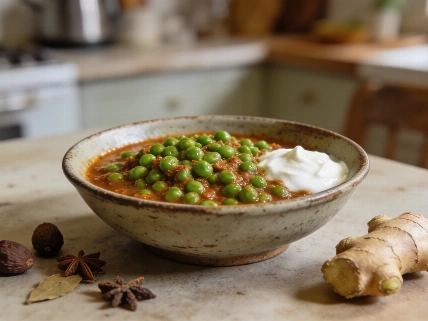
Yotam Ottolenghi's spiced pea stew brings frozen peas together with ginger, garlic, toasted spices and yogurt. The recipe description offers a flavor idea, not enough detail to calculate nutrition or compare it with packaged shakes and meal replacements.
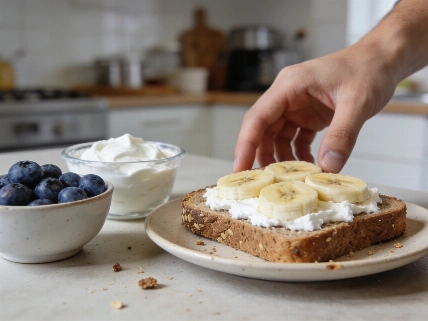
These 10 breakfasts use three ingredients or fewer, from fruit smoothies and yogurt bowls to farro porridge and whole-grain toast. Here's what the recipes leave out, and which numbers to check on food and shake labels.
IndexBox projects annual granola market growth of 5.8% through 2035, as brands target shoppers looking for protein and other benefits. Private-label options remain plentiful, so the Nutrition Facts panel and ingredient list matter more than the category's growth story.
Four dietitians pointed to the Caramel Ribbon Crunch Frappuccino when asked which Starbucks drink they would steer people away from. Its nutrition figures also show how a few lower-sugar or higher-protein coffee orders compare.
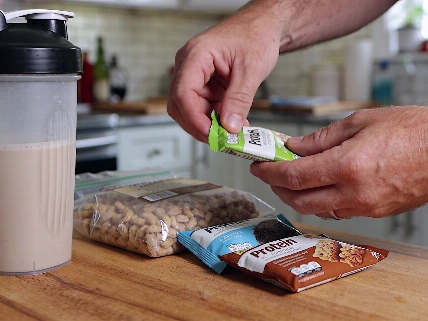
Protein is essential, but a higher-protein product is not always the better choice. Here's how to compare daily needs, food and shake labels, and grocery costs.
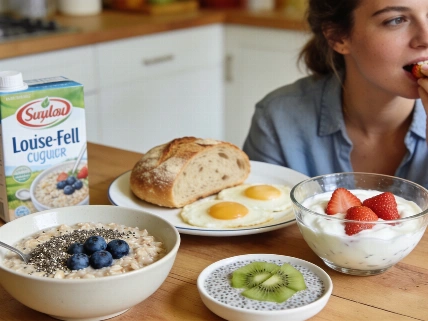
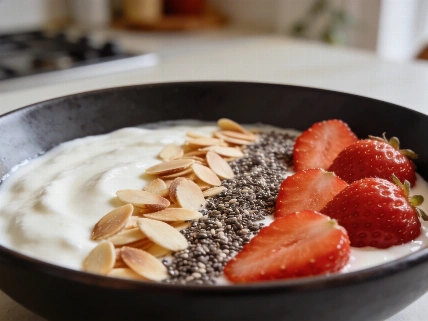
Harvard-trained gut doctor Dr Saurabh Sethi shares seven breakfast ideas to help cut down on bloating and keep digestion comfortable. His picks include oats with chia and blueberries, eggs with sourdough, and lactose-free Greek yogurt with strawberries.
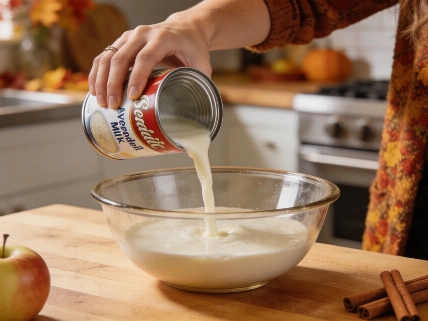
Carnation rolls out its first fall flavor: Caramel Flavored Evaporated Milk. With buttery toffee and vanilla notes, this limited-edition can is now on shelves nationwide for $2.19.
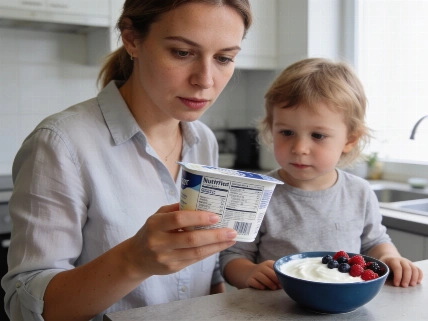
Many yogurts and cereals sold as healthy breakfast choices for kids have as much added sugar as desserts. Cardiologists warn these hidden sugars can harm children's health and urge parents to pick plain, less processed foods instead.
Meal prepping for heart health just got easier. These breakfasts are built to help manage cholesterol with less saturated fat and plenty of fiber, giving you real options for busy mornings and long-term wellness.
DailyColours packs phytonutrients from 16 Mediterranean fruits, vegetables, and herbs into a four-color blend. Early studies look at whether this mix can do what single-compound supplements can't for healthy aging and brain health.
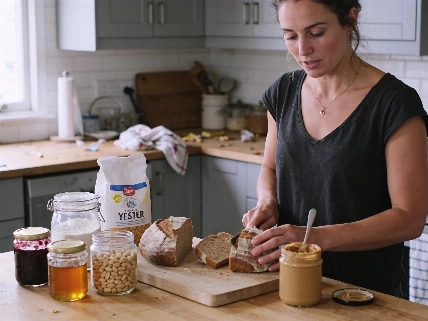
Grocery prices keep climbing, turning basics into luxuries. Making staples like bread, sauces, and spreads at home can save money and boost nutrition. Here's how homemade stacks up against store-bought.
A top endocrinologist spells out the breakfast she trusts for bone health, breaking down the nutrients that count and sharing real-world tips for a stronger skeleton with every bite.
Chennai's love for idli runs deep. From old-school recipes to new spins, the city's tiffin culture keeps this steamed rice cake at the center of daily life and local pride.
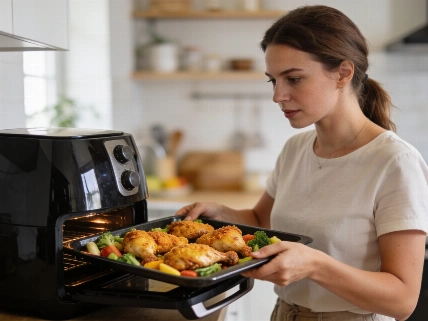
Sixteen dinner recipes show the air fryer is more than a kitchen gadget. It makes lighter versions of favorites like orange chicken, schnitzel, and fish tacos-cutting oil, keeping crunch, and packing in protein.
Fast, sustainable seafood recipes like maple and miso sheet-pan salmon are making it easier for home cooks to eat well and help the environment. These meals show how simple choices at dinner can support both flavor and the planet in under 30 minutes.