
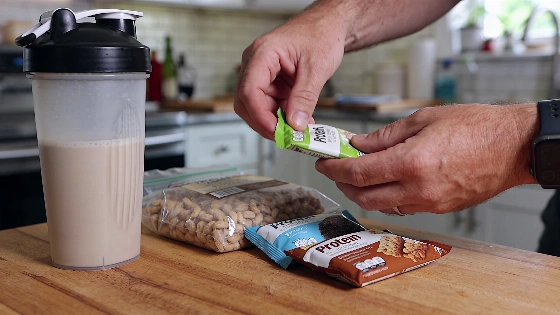
Your body uses protein to build and maintain muscle and other tissues. It also supports many processes that keep the body working. Protein does more than follow a trend.
For healthy adults in the U.S., the established Recommended Dietary Allowance is 0.8 grams per kilogram of body weight per day. Treat that as a general reference, not a personal target. Age, activity, health, overall diet, and individual goals can all affect what is appropriate. The NIH ODS review discusses protein needs in relation to exercise and performance.
A useful label check: compare protein grams with the serving's total calories, and note the full scoop weight. Protein grams alone do not show whether a powder is a concentrated protein product or a higher-calorie shake with other ingredients.
Protein supports structure and function
Registered dietitian Jaclyn London, M.S., R.D., C.D.N., says protein is a key component of muscles, skin, bones, and other tissues. The body also uses amino acids from protein in many processes, including the production of enzymes and hormones.
Those roles matter more than a product's popularity. But more protein is not automatically better for every shopper. The familiar U.S. reference of 0.8 g/kg/day differs from higher ranges sometimes discussed for people with particular activity levels or goals. Those higher targets are not universal requirements.
Make grocery choices fit your needs
Beans, lentils, tofu, dairy, eggs, fish, meat, nuts, and seeds can all provide protein. People who eat a plant-based diet can meet their needs with a varied diet. No single food or powder has to do all the work. Taste, dietary restrictions, availability, and budget matter, too.
For protein powders, ready-to-drink shakes, and powdered meal replacements, start with the Nutrition Facts or Supplement Facts panel. Check protein per serving alongside serving size in grams, calories, added sugars, and ingredients. A large scoop may provide more protein, but it can also add calories. Comparing products per serving and per gram of protein can help make price differences clearer.
Check the protein source. Whey and casein come from milk. Pea, soy, rice, and other plant proteins may suit different preferences and allergen needs. For a blend, look for the amounts of individual ingredients when the label provides them. A proprietary blend may show only the total blend weight, not each ingredient's dose. That makes it harder to compare formulas or assess claims.
Protein powder is not automatically a meal replacement. If a product is meant to replace a meal, check its calories, fiber, and other nutrients as well as its protein. Review allergen statements and sweeteners, too. Stevia, sucralose, sugar alcohols, and added sugars have different ingredient profiles. Some people find certain sweeteners or added fibers uncomfortable. "Gut health" or "clean energy" on a package front does not replace checking the label or the evidence for that specific formula.
Everyday food choices can serve more than one nutrition goal. Shake Nutrition's heart-health breakfast comparison looks at how familiar options can offer different benefits.
Protein deserves attention because it has essential structural and functional roles, not because every shopper needs to follow the same trend. Choose foods and products that fit your eating pattern, budget, and nutritional needs. The biggest protein number on the package is not the only thing to consider.