
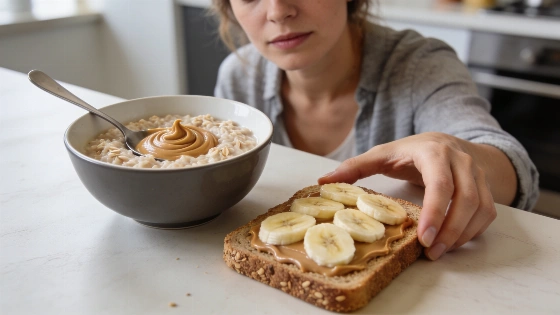
If you're trying to eat for heart health, the question isn't which is better-peanut butter toast or oatmeal-but how each brings something different to the table, and why you might not need to pick just one.
Oatmeal is known for its cholesterol-lowering effect, thanks to beta-glucan, a type of fiber that forms a gel in your gut and helps remove cholesterol from the body. The U.S. FDA backs this up: eating at least 3 grams of oat beta-glucan daily, as part of a diet low in saturated fat, can help lower cholesterol. That's a rare level of regulatory support for any whole grain. Recent reviews, including a meta-analysis of 49 randomized trials, show that this amount can lower LDL cholesterol and improve other blood lipid markers in both healthy people and those at risk.
A standard serving of oatmeal (about 40 grams dry weight) typically delivers 1.5-2 grams of beta-glucan, so reaching the clinically supported 3-gram threshold often requires a larger portion or a concentrated oat beta-glucan ingredient.
- Shake Nutrition Editorial Desk
Peanut butter toast, especially on whole-grain bread, offers a different set of heart-friendly nutrients. Peanuts are a source of unsaturated fats, including oleic acid and omega-6s, which help keep HDL cholesterol up and support blood vessel health. The main benefit, according to the latest AHA/ACC guidelines, comes from swapping saturated fats for unsaturated ones-a change linked to lower cardiovascular risk. Peanuts also provide vitamin E, magnesium, and other compounds that may help the heart. The catch: added sugar in peanut butter can cancel out some of these benefits, so look for no-sugar-added options.
Neither breakfast is perfect for everyone. Oats are best for fiber-driven cholesterol reduction. Peanut butter toast is filling and offers protein, healthy fat, and fiber-if you use whole-grain bread and keep added sugar low. If you want both benefits, try stirring a spoonful of peanut butter into your oatmeal. You'll get the cholesterol-binding fiber, longer-lasting fullness, and a steadier blood sugar response than oats alone.
Large clinical reviews in the European Heart Journal show that whole grains as a group lower LDL cholesterol by about 0.13 mmol/L, but oats stand out for their unique beta-glucan content and effect on blood lipids. Meanwhile, European Society of Cardiology data from 2026 links eating 4-6 servings of whole grains a day to improvements in weight, waist size, cholesterol, triglycerides, blood pressure, and fasting glucose-making a strong case for whole-grain bread as the base for peanut butter toast.
Claims Check: While many brands market oat-based shakes or bars as "cholesterol-lowering," only products with at least 3 grams of oat beta-glucan per serving-verified on the Supplement Facts label-meet the FDA's standard for a heart health claim. For peanut butter, the evidence supports heart benefits when it replaces saturated fat, not as a direct cholesterol-lowering food.
- FDA / Clinical Nutrition Review (source)
Of course, heart health is about more than breakfast. Potassium-rich foods like bananas, avocados, beans, potatoes, and oranges can help, as can getting more fiber from legumes, vegetables, and whole grains. Swapping saturated fats for unsaturated oils like extra-virgin olive or canola is another proven step. If you want ideas, recipes like Peanut Butter-Banana Cinnamon Toast, Old-Fashioned Oatmeal, and High-Protein Peanut Butter-Chocolate Overnight Oats are good places to start.
If you're curious about how breakfast affects blood sugar, a recent article looked at fruit-forward meals that challenge old ideas about glucose spikes.
Breakfast is just one part of heart health, but small choices add up. Both oatmeal and peanut butter toast can fit into a heart-supportive diet, especially if you pay attention to fiber, fat quality, and added sugar. The best approach isn't picking a single "winner"-it's building a breakfast routine that uses the strengths of both, fits your taste, and supports your long-term health.