A 20-minute ricotta sauce is the quickest option here. The aubergine recipe takes 15 minutes to prepare and 40 minutes to cook.
The roundup promises five weekly autumn pasta dishes, but the supplied recipes detail four: ricotta rigatoni, Fusilloni alla Norma, garlicky roast squash with radiatori and Nigella's peanut butter spaghetti. They suit different kinds of weeknight cooking, including a quick sauce and two recipes that use pasta water to help make a smooth coating.
For the Norma, the Big Mamma recipe serves four. It calls for two large aubergines and 400g fusilloni. You'll also need two garlic cloves, plus 150g ricotta salata. The Sicilian-style combination of aubergine, tomato, garlic, basil and salty ricotta salata also appears in Big Mamma's published recipe.
Jacob Kenedy presents Ricotta & Rigatoni as an alternative to cacio e pepe in his cookbook Pasta Tricolore: Recipes in Green, White and Red. For four servings, blend 400g ricotta with 1 tsp black pepper. Add the grated zest of half a lemon, 4 tbsp extra virgin olive oil and 175ml water, then blend until smooth. Season to taste and transfer the mixture to a large heatproof bowl.
Cook 400g rigatoni in well-salted water. Set the bowl over the pan to warm the ricotta, stirring now and then. Take it off before the sauce gets hot or starts to cook. Drain the pasta just before it is fully cooked, reserving some cooking water. Stir the rigatoni into the sauce and loosen it with a splash of pasta water if needed. Add fresh basil at the last moment. Finish with pecorino Romano if using sheep's ricotta. For buffalo or cow's milk ricotta, use Parmesan. Olive oil is another option.
Fusilloni alla Norma takes longer. The recipe appears in Big Mamma Pasta: 150 of the best Italian pasta recipes and serves four. It suggests playing Maria Callas's version of "Casta Diva" while cooking. Preparation takes 15 minutes, followed by 40 minutes of cooking.
Cube two large aubergines, salt them and leave them in a colander for at least 30 minutes. Pat them dry, then fry in hot oil until tender and golden. Drain on kitchen paper and keep warm. Gently fry two crushed garlic cloves in a generous dash of olive oil. Add 700g peeled tomatoes or 600ml passata and simmer for 20 minutes. Season with salt and pepper, adding fresh basil at the end.
Cook 400g fusilloni al dente in salted water. Drain and mix it with the tomato sauce, then serve with the aubergine on top and 150g crumbled ricotta salata. This firm, salty cheese adds texture. It is not interchangeable with fresh ricotta.
A separate Pasta alla Norma recipe recommends cooking the pasta about two minutes less than the packet instructions. Reserve around 1dl of pasta water, then stir it into the sauce to help it coat the pasta smoothly.
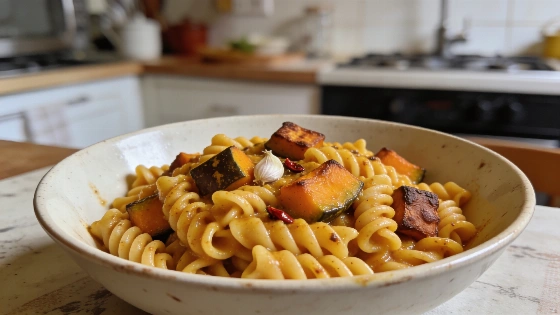
For garlicky roast squash with radiatori, chop and deseed a whole butternut squash or small pumpkin. Crown prince and kabocha are suggested varieties. Put the squash in a roasting pan with three or four unpeeled garlic cloves. Add 2 tbsp olive oil and, if desired, 1 tsp dried chilli flakes. Season generously with salt and pepper, then roast at 180C fan for 30 minutes. The skin can stay on if it is not too tough.
Cook the pasta while the squash roasts. Radiatori is one suggested shape; penne and mafalde are also options. Allow 80-100g squash flesh per person. Blitz the squash with the peeled garlic and around 200g cream cheese until smooth. Cottage cheese or sour cream can be used instead. Add pasta water 50ml at a time until the sauce is thick and smooth.
Stir the sauce through the drained pasta and heat gently. Serve with olive oil and more chilli flakes. Add some diced roast squash for texture.
For a make-ahead meal-planning idea beyond dinner, the site's make-ahead oats collection gathers breakfast options prepared in advance.
Nigella's Dreamy, Creamy Peanut Butter Pasta uses part-steaming to reduce the energy needed to cook the spaghetti. Lawson wrote the recipe for Ocado when energy prices began to soar. It calls for 320g spaghetti and 75g smooth peanut butter, along with baby spinach. The remaining ingredients are an unwaxed lemon, dried thyme and chilli flakes.
Bring a large pan of salted water to the boil, add the spaghetti and stir. Cook for two minutes, then remove the pan from the heat. Cover it with a tea towel and a tight-fitting lid, and leave the spaghetti to steam for eight minutes. Put the spinach in a colander. Reserve 500ml pasta water, then drain the spaghetti over the spinach to wilt it.
Return the pan to the hob and stir together the peanut butter and 125ml pasta water. The mixture may clump at first. Add two minced garlic cloves, 1 tsp dried thyme and ½ tsp chilli flakes. Stir in 2 tsp lemon juice, then mix in another 125ml pasta water. Add the pasta and spinach, coating everything. Pour in more pasta water a little at a time until the sauce is smooth. Taste and adjust with salt or lemon juice before serving.