
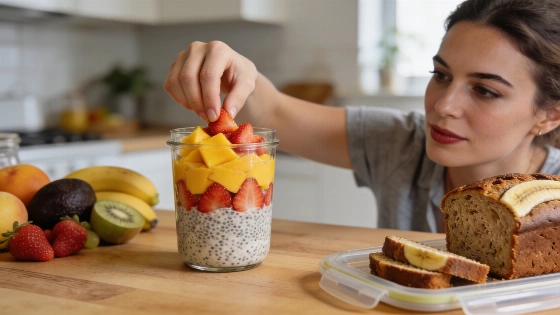
If you're watching your cholesterol, breakfast matters. The hard part is finding something quick that actually helps your numbers-without giving up on taste or nutrition.
Most grab-and-go breakfasts are loaded with saturated fat, which can push LDL higher. These make ahead recipes flip the script. They use fiber rich ingredients and keep saturated fat low. You can prep them in batches, so you always have a solid meal ready, even on hectic mornings.
For cholesterol-friendly breakfasts, clinical guidelines recommend keeping saturated fat below 13 grams per day (about 6% of calories on a 2,000 kcal diet) and aiming for 5-10 grams of soluble fiber daily from oats, legumes, or psyllium.
Why fiber and fat matter for cholesterol
LDL, or "bad" cholesterol, raises the risk of plaque in your arteries. Genes play a part, but what you eat is something you can change. Meals with less saturated fat and more fiber help keep cholesterol in check. That's why these recipes skip heavy cream and processed meats. Instead, they use whole grains, fruit, and seeds.
Take Mango-Strawberry Chia Pudding or High-Protein No-Added-Sugar Banana Bread. These aren't just trendy-they're built to give you fiber and keep saturated fat down. Each one fits into a plan for better cholesterol, using everyday foods that work for real life.
Claims Check: While many breakfast products highlight 'heart healthy' or 'cholesterol-lowering' benefits, only those with transparent fiber content (such as at least 3 grams of soluble fiber per serving) and saturated fat below 6% of calories align with evidence-based recommendations. Regulatory authorities require that any cholesterol-lowering claim be substantiated by clinical data and clear labeling.
Meal prep that works for real life
Most people need convenience. These breakfasts are made for batch cooking and easy storage. Prep once, eat well all week. The MyRecipes app lets you save and organize your favorites, even the ones you find on Instagram or TikTok. That way, meal planning stays simple and stress free.
If you want to see how fruit-forward breakfasts can fit into a health-focused routine, a recent feature looks at how to balance sweet flavors with smart nutrition for blood sugar. It shows that healthy eating doesn't have to be bland or strict.
These make ahead breakfasts show that supporting cholesterol isn't about missing out. It's about smart, doable choices. By focusing on fiber and keeping saturated fat low, you can build a breakfast routine that fits your life and helps your heart. This is nutrition that works in the real world-and gives you results you'll notice every morning.
If you want more technical details on fiber and cholesterol, the PubMed clinical review on soluble fiber and lipid metabolism covers the science behind these tips.