
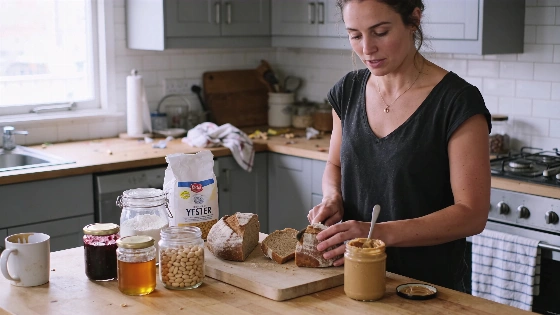
When a loaf of bread or a jar of peanut butter starts to feel expensive, the real issue isn't just price. It's about having control. The foods you buy every week are often the easiest to make at home. Doing it yourself means fresher ingredients, fewer additives, and a real say in what ends up on your plate.
Convenience foods aren't always faster or cheaper. Many staples-peanut butter, pesto, even bread-are better made at home. Homemade bread skips the preservatives and comes out fresher and softer. Ketchup and mayonnaise from the store are loaded with sugar and salt. When you make them yourself, you can cut the sodium and leave out the stabilizers.
Measured sodium content in commercial breads can range from 100 mg to over 550 mg per 100 g, with a single serving sometimes delivering 25% of the recommended daily sodium limit. Homemade bread allows for direct control over salt content and ingredient quality.
Everyday foods worth making at home
Many common groceries are simple to prepare yourself. Chilli oil can be made to your taste. Protein balls and energy bars from the store often have extra sweeteners and shelf-life boosters. At home, you pick the ingredients. Even salads and dressings are easy and cheaper to make, and you skip the plastic and wilted greens.
Fermented foods like kimchi and quick pickles are another win for homemade. They cost less, you avoid extra preservatives, and you can adjust the flavor. Baked beans, refried beans, and hummus taste better fresh, and you control the salt. If you want to cut food waste, making vegetable stock or breadcrumbs from scraps is a smart move that adds flavor to soups and casseroles.
Claims Check: While many packaged foods highlight 'clean label' or 'no preservatives' claims, regulatory authorities such as the FDA require that any additive or preservative used in food must be declared on the ingredient label. Homemade staples naturally avoid common preservatives like sodium benzoate and potassium benzoate, which are often present in commercial baked goods and spreads.
Nutrition and ingredient quality in homemade staples
Homemade spreads-like peanut butter, chocolate-nut mixes, or applesauce-let you skip palm oil, extra sugar, and fake flavors that show up in store-bought jars. Pancake mix, granola, and flavored porridge are easy to make in bulk at home. You cut down on sugar and packaging. Even frozen pizza, often seen as the ultimate shortcut, can be made with your own toppings and much less sodium than most brands.
Drinks are just as easy. Iced tea and lemonade take minutes to make and can be sweetened to your liking, without the sugar and preservatives in bottled drinks. Smoothies and fruit salads are fresher at home and don't come with plastic waste or added syrups. If you care about gut health, homemade kimchi and quick pickles are a cheap way to add fermented foods to your diet. This lines up with what we covered in our recent look at digestive wellness trends.
How to shop smarter and eat better
Making your own staples isn't about being a chef. It's about taking back control of your food. With basic tools and a few ingredients, you can skip the preservatives, extra salt, and sugar that fill so many packaged foods. You get a healthier meal and a more sustainable, budget-friendly way to eat every day.
As grocery prices rise, homemade staples make even more sense. The foods that seem most convenient are often the easiest to make from scratch. The nutrition boost is immediate. If you care about what goes into your food and how much you spend, the answer is simple: start making more of your everyday foods at home.
For more on sodium in common foods, the USDA FoodData Central database has full nutrition profiles for both homemade and commercial products.