Salmon or Fish Oil? Read the Label, Check the Evidence
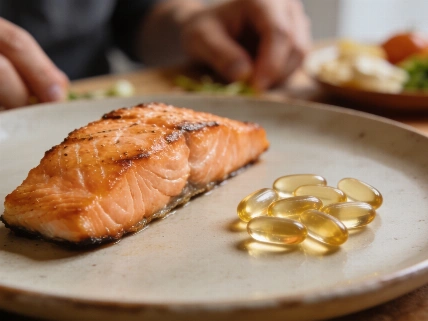
Salmon delivers omega-3s as part of a meal; fish oil and algae oil offer more targeted options. A label or a brain-health claim alone cannot establish a benefit.

Salmon delivers omega-3s as part of a meal; fish oil and algae oil offer more targeted options. A label or a brain-health claim alone cannot establish a benefit.
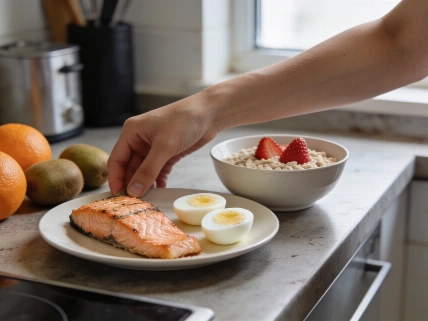
Pregnancy food guidance is most useful when it separates specific risks from nutritious options. Lower-mercury fish, thoroughly cooked eggs, fruit and fortified cereal can all fit into a balanced diet.
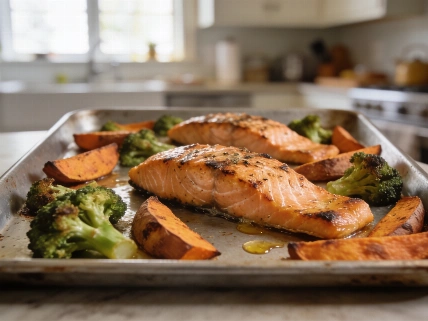
Salmon, potatoes and vegetables can make a practical sheet-pan dinner with little prep. The portions and packaged seasonings or glazes you use affect its nutrition.
A report linked eating fish at least twice a week with healthier-looking white matter. The available research context does not verify that finding or show that fish caused it. Here is what the claim means, and what omega-3 labels on shakes and supplements can tell you.
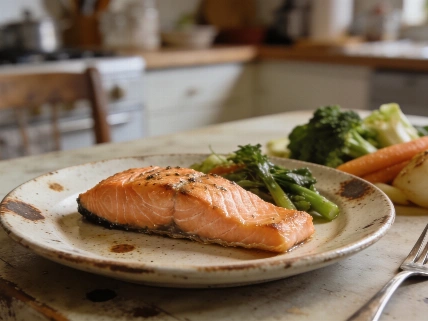
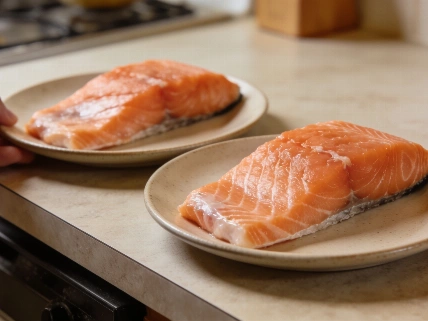
Wild and farmed salmon both provide protein and omega-3 fats, but their nutrition profiles vary by species, preparation, and serving size. Here's how to compare the numbers, and why regular fish intake matters more than finding a universal winner.
Sardines offer complete protein, omega-3 fats, calcium and vitamin D in an affordable, shelf-stable food. Check the serving size and ingredient list, especially if you monitor sodium, have gout or are allergic to fish.
Canned sardines retain omega-3 fats and provide protein and calcium, much of it from edible bones. Check serving sizes and Nutrition Facts panels: packing liquid and sauces can change the sodium, sugar and calorie content.
Fast, sustainable seafood recipes like maple and miso sheet-pan salmon are making it easier for home cooks to eat well and help the environment. These meals show how simple choices at dinner can support both flavor and the planet in under 30 minutes.
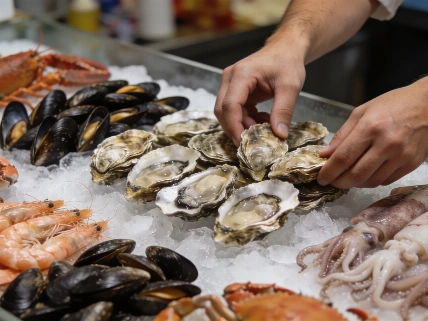
A major study finds oysters, mussels, shrimp, crabs, and squid deliver far more essential vitamins and minerals than their small share of the global seafood supply would suggest. The findings challenge old ideas about what really matters in aquatic food production.