
Retail listings put Kraft Original at about $1-$1.30 per box, while Kaizen can cost roughly $8 per box in multipacks. The gap is real. But a higher price does not automatically mean better value. Protein levels vary too: some products add a little, while others offer much more.
Registered dietitian Johannah Katz says a move from 9 grams of protein to 14 grams is a useful improvement. Going from 9 grams to 24 grams is a much bigger change. Whether either one is worth paying for depends on the serving, the rest of the label and your budget.
Protein varies substantially across products: retail listings show about 10-12 g per serving for Kraft Original, 12 g for Annie's Deluxe Shells and Four Cheese, 17 g for Lean Cuisine Signature Vermont White Cheddar Mac & Cheese, and 24 g for Kaizen Low Carb Mac & Cheese. Check each package's serving size before comparing numbers.
Compare the label and the price
Prices differ, and package sizes and formats are not always the same. Available retail listings put Annie's Deluxe Shells and Four Cheese at $5.29 and a Lean Cuisine Signature Vermont White Cheddar Mac & Cheese meal at $3.99. The article's other examples put Kraft Original at around $1-$1.30 per box, Goodles at around $3 and Kaizen at roughly $8 per box in multipacks. Prices vary by retailer and time. Compare the cost per serving.
A claim on the front of the package is only a starting point. Check protein alongside calories, fiber, sodium, saturated fat and serving size. Compare products as prepared. The FDA label guide explains how to read key Nutrition Facts details. For a broader food comparison, USDA FoodData Central provides nutrient data for foods. The same kind of label check used for peanut butter can help shoppers weigh the ingredients and nutrients here against the price.
Claims Check: The word protein on the front of a box does not tell you how much you get in the portion you will eat, or what comes with it. Use the Nutrition Facts panel to check serving size, calories, sodium and saturated fat alongside protein, then compare like with like.
Boost the box you already have
Staci Gulbin, RDN, founder of Lighttrack Dietitian, sees no inherent harm in choosing these products. She says the added protein may make the switch worthwhile for people who eat mac and cheese regularly and want more protein. The label still matters. Check the ingredients for your dietary needs and any relevant allergens. Then weigh the full Nutrition Facts panel against the price.
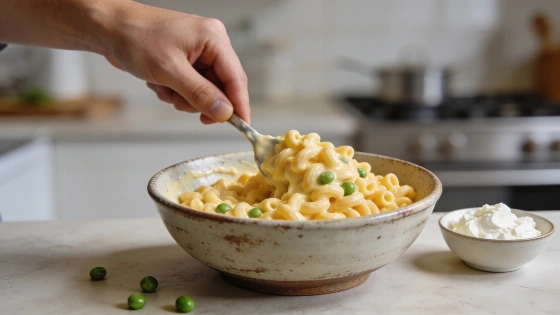
You can also add a protein-rich ingredient to the mac and cheese you already buy. Gulbin suggests shredded cheese, diced chicken, nutritional yeast, peas or beans. Katz recommends blending cottage cheese into the sauce or stirring in plain Greek yogurt after cooking. The yogurt keeps the sauce creamy.
Protein mac and cheese can be a handy upgrade. But the protein number alone does not tell you whether it is a better buy. For some shoppers, a meaningful increase may justify the higher price. For others, a familiar box with a protein-rich add-in may be more practical. Compare serving sizes, the full label and cost per serving before paying extra for the word "protein."