
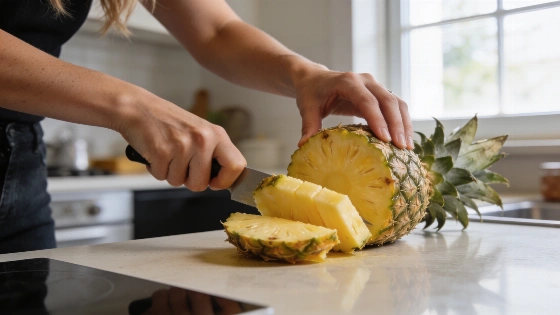
If you're watching your kidney health, picking the wrong fruit can cause problems. Pineapple, though, is low in potassium and phosphorus. It's rarely on the "avoid" list. But the real question isn't just if pineapple is safe. It's about how much you eat, how often, and who should be careful.
People with chronic kidney disease (CKD) have to think about every bite. They need to avoid too much potassium, phosphorus, and sodium. According to USDA FoodData Central, one cup of fresh pineapple has about 109 mg of potassium. That's much less than what you'd get from bananas or avocados. So pineapple is a good pick for anyone who needs a fruit with less potassium and phosphorus, especially compared to other common fruits.
A standard 1-cup serving of fresh pineapple delivers only about 109 mg potassium and minimal phosphorus, making it one of the lowest-potassium fruits in the USDA FoodData Central database.
Pineapple's potassium is low compared to bananas, avocados, or leafy greens. Clinical guidelines from the National Institute of Diabetes and Digestive and Kidney Diseases (NIDDK) say there's no single "safe" or "forbidden" food for CKD. What you can eat depends on your lab results and the stage of your kidney disease. Most healthy adults can eat pineapple every day as part of a balanced diet. For people with CKD, it's more complicated.
Top kidney nutrition guidelines, like KDOQI 2020, say diet advice should be personal. How much pineapple you can eat, and how often, depends on your lab numbers and your health. For many people with CKD, half a cup of fresh pineapple is a safe portion. But only a registered dietitian or doctor can give you advice based on your own needs and test results.
Pineapple is lower in potassium than many fruits, but it still adds to your daily total. If you have hyperkalemia (high potassium in your blood), every bit matters. If your diet is already at the limit for potassium, you might need to cut back or skip pineapple. The goal isn't to ban pineapple, but to keep your total potassium in check, based on your diet, medicines, and kidney function.
Claims Check: While some brands market pineapple as a 'detox' or 'kidney-cleansing' superfood, regulatory authorities such as the FDA prohibit disease treatment claims for conventional foods and supplements. Clinical guidelines emphasize that no single fruit can detoxify the kidneys; instead, portion control and individualized nutrition are the evidence-based approach.
Some medicines and health problems can also change your potassium levels. That's why blanket rules don't work. Experts say it's better to work with a doctor or registered dietitian nutritionist. They can help you make food choices that fit your needs, instead of cutting out all foods with potassium. This matches the latest clinical nutrition standards, which focus on advice that fits each person, not one-size-fits-all lists.
High potassium can cause symptoms like irregular heartbeat, chest pain, trouble breathing, weakness, fainting, or sudden nausea and vomiting. These can be dangerous, especially for people on dialysis. But sometimes, high potassium causes no symptoms at all. That's why people with kidney disease shouldn't try to manage potassium just by how they feel.
If you want to know how other foods fit into a kidney-friendly or balanced diet, check out our earlier breakdown on protein and kidney health.
The bottom line for everyday eating
Pineapple is low in potassium, sodium, and phosphorus. That makes it a good choice for people watching their kidneys. But the real safety net is getting advice that fits you. Most people can eat a small serving of fresh pineapple every day as part of a healthy diet. If you have CKD or are on dialysis, talk to your doctor or dietitian. They can look at your lab results and help you decide what's safe. When it comes to nutrition, the details-and the portion size-matter most.