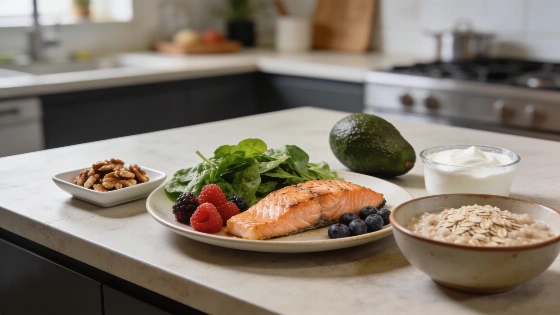
The key question at dinner is what these foods replace, and how much salt comes with them. No single food can take the place of blood pressure medication, but everyday choices can support cardiovascular health.
Dietitian Lindsay DeSoto points to 11 options, from leafy greens to oatmeal. Their nutrients work best within an overall eating pattern that includes a variety of produce and limits sodium.
The DASH plan, developed to help prevent and manage high blood pressure, puts that broader pattern at the center. The original DASH study, published in 1997, found lower blood pressure on a diet rich in vegetables and fruit. It also included low-fat dairy products, while reducing saturated fat. A later study, DASH-Sodium, found that reducing sodium can strengthen the effect. The NHLBI's DASH guidance emphasizes the overall diet rather than individual foods. It highlights potassium and magnesium. Calcium and fiber also feature. So does salt reduction.
Spinach and Swiss chard contain dietary nitrates. The body can convert them into nitric oxide, a signaling molecule involved in relaxing blood vessel walls. These greens also provide potassium and fiber. Their nitrate content makes them one useful part of a varied diet, not a guaranteed way to lower an individual's blood pressure or a substitute for treatment.
Berries contain anthocyanins, the polyphenols that give them their color. Blueberries and blackberries are sources, as are raspberries and strawberries. Researchers study anthocyanins in connection with endothelial function, nitric oxide and blood pressure. In one 2021 study, people who ate about one and a half cups of berries daily had more favorable blood pressure readings. That amount comes from a single study. It is not a universal treatment dose.
Beans and lentils provide fiber, potassium and magnesium. Chickpeas bring those nutrients too, along with plant protein. Legumes fit naturally into DASH, but what they replace matters: choosing them instead of foods high in sodium and saturated fat can improve a meal's overall balance. Canned varieties may contain added salt. No-salt-added options can help, and rinsing canned legumes can remove some sodium, though not all of it.
Avocado combines potassium and fiber with monounsaturated fat. According to DeSoto, one cup of diced avocado provides about 15% of an adult's daily potassium requirement. A 2023 study found that people eating at least five servings weekly had a 17% lower risk of developing high blood pressure. The study found an association. It did not establish that avocado itself caused the difference.
Salmon and other fatty fish provide omega-3 fatty acids. Sardines and herring are options; mackerel and trout are others. Fish can also replace red or processed meat in a meal. Research has associated a total intake of about 2-3 grams of omega-3s per day with a small reduction in blood pressure, particularly among people with hypertension. That is not the amount in a standard serving of any fish.
A 113-142-gram serving of Atlantic salmon may contain nearly 3 grams of omega-3s, though the amount varies by fish and farming conditions. Fresh or frozen fish without salty sauces keeps sodium lower. Smoking and heavily processed breading can add sodium too. Baking or steaming are alternatives to frying in large amounts of oil. Stewing is another option.
Walnuts provide alpha-linolenic acid, a plant-based omega-3, along with fiber and magnesium. They also contain potassium and antioxidants. A study of older adults associated regular walnut consumption with a moderate reduction in systolic blood pressure, especially among participants whose readings were initially elevated. A small handful can replace a salty snack, but walnuts are calorie-dense.
Bananas provide potassium. Apples contribute fiber and plant compounds. A 2024 study found that people with high blood pressure who ate bananas three to six times a week had a lower risk of death than those eating them less than once a month. That finding is an association, not proof that bananas caused the difference. People who eat fruit regularly may also have other healthy habits.
Dark chocolate contains cocoa flavanols that may support the inner lining of blood vessels and their ability to expand. Studies have used varying amounts, from 6 to 25 grams a day. Processing affects flavanol content. DeSoto suggests choosing chocolate with at least 70% cocoa and little added sugar, and treating it as food rather than a blood-pressure remedy.
Natural yogurt provides calcium and potassium. Fermentation may produce peptides that could affect blood pressure regulation. Observational research has linked regular yogurt intake with lower readings, but that connection does not show that yogurt alone meaningfully reduces blood pressure. The broader evidence on dairy is also nuanced, as discussed in our dairy review. Plain yogurt pairs well with fruit or berries. It can also go with nuts. Oatmeal is another option.
Oats contain beta-glucan, a soluble fiber best known for helping lower blood cholesterol. A 2023 review found that regular oat consumption may also contribute to a moderate reduction in systolic blood pressure. Results were most noticeable among people with elevated readings and when oats replaced refined grains. Regular oatmeal or whole oat groats avoid the substantial added sugar found in some instant products.
Broccoli and cauliflower are cruciferous vegetables rich in fiber, vitamins and minerals. Brussels sprouts belong to the same group. Cabbage and kale do too. These vegetables contain glucosinolates, compounds being studied for potential antioxidant and anti-inflammatory properties. In a small 2024 study, participants had lower systolic readings during a period when they ate more cruciferous vegetables than during a period centered on certain root vegetables and squash.
Reducing sodium is another central part of a blood-pressure-conscious diet. The World Health Organization recommends that adults consume less than 2 grams of sodium, or less than 5 grams of salt, a day from all sources. That includes salt added at home. It also includes sodium in processed foods. The American Heart Association's guidance sets an upper limit of 2,300 milligrams of sodium a day for most adults, equivalent to about 5.8 grams of salt. It identifies 1,500 milligrams as a target especially relevant for people with high blood pressure.
Processed meats and prepared sauces can contribute substantial amounts of sodium. Convenience foods can too. Salty snacks are another source, as are some canned goods.
WHO also recommends at least 3,510 milligrams of potassium a day from food for adults without medical contraindications. Vegetables and fruits are among the potassium sources included in DASH. Legumes and dairy products also contribute. Fish is another source. Potassium helps regulate fluid balance and blood vessel tone, while excess sodium can contribute to higher blood pressure.
Regular activity is another part of prevention. Most adults are advised to get at least 150 minutes of moderate physical activity each week if their health permits. Maintaining a healthy body weight matters. Quitting smoking and limiting alcohol also matter. So does getting adequate sleep.
People with kidney disease or high blood potassium should discuss major dietary changes with a healthcare professional. The same advice applies to people taking medications that affect potassium levels, including ACE inhibitors and angiotensin receptor blockers. Potassium-sparing diuretics and spironolactone also warrant discussion. Potassium-based salt substitutes call for caution as well. Anyone prescribed blood pressure medication should not stop it in favor of food changes. Diet can complement treatment, but it does not replace prescribed care.