Oil Separation Can Signal a Simpler Peanut Butter
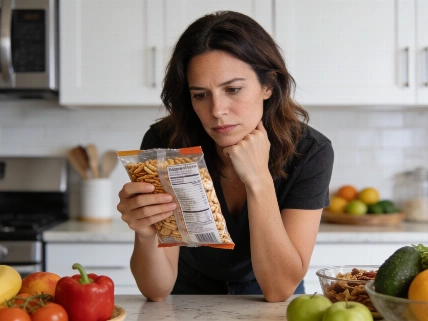
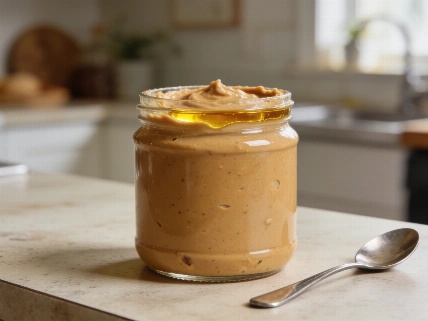
Oil at the surface can point to a peanut butter made without some stabilizers. The ingredient list and Nutrition Facts panel are still the better tools for comparing added sugars and saturated fat.

Oil at the surface can point to a peanut butter made without some stabilizers. The ingredient list and Nutrition Facts panel are still the better tools for comparing added sugars and saturated fat.
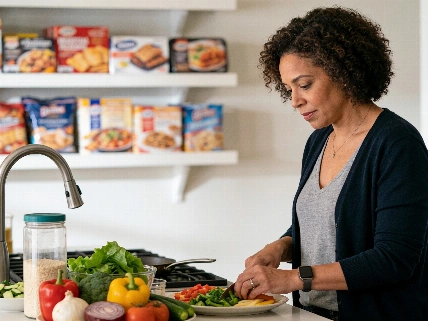
A 2026 review of more than 8 million people linked higher ultra-processed food intake with several health risks, but it did not show that processing alone causes harm. Ingredient lists and nutrition labels offer useful clues, not a simple good-or-bad verdict.
Genes shape aging, but daily habits also affect long-term health. Here is what practical guidance and the product details can tell shoppers about cellular-health claims.
The dietitian-created plan lists at least 111 grams of protein and 33 grams of fiber each day, with carbohydrates spread across meals and snacks. Daily totals range from 1,778 to 1,804 calories; these are plan figures, not individual targets.
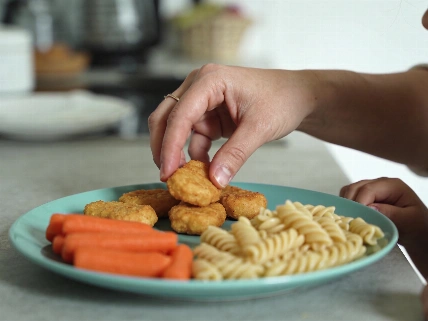
A family's weekly shop shows why an ultra-processed label does not settle whether a meal is healthy. Look at nutrition, portions and the product's place in the overall diet.
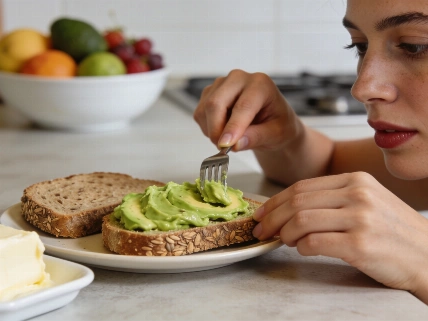
Avocado is more than a trendy toast topping. Swapping it for saturated fats like butter or cheese can improve cholesterol, boost fiber and potassium, and lower your risk of heart disease. Here's what the evidence shows and how to make the switch.
TikTok food hacks like cucumber with stevia and cheese as popcorn are spreading bad nutrition advice. Dietitians warn these trends can twist what healthy eating means and even put people at risk. Here's what to know before you trust food tips from social media.
A small UCSF study found that adults with depression who cut back on ultra-processed foods saw clear improvements in their symptoms. The results add to growing evidence that what we eat can affect both mental and physical health.
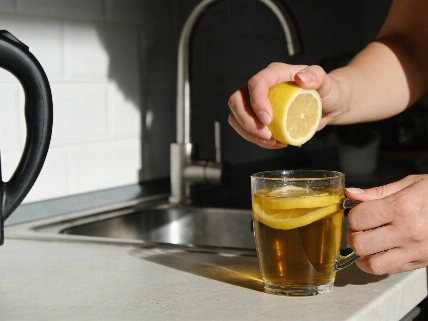
A registered dietitian swapped her morning tea for warm lemon water for a month. She noticed better hydration and a small mood boost, but the big claims about detox and weight loss didn't hold up. Here's what actually changed, according to the label and the science.
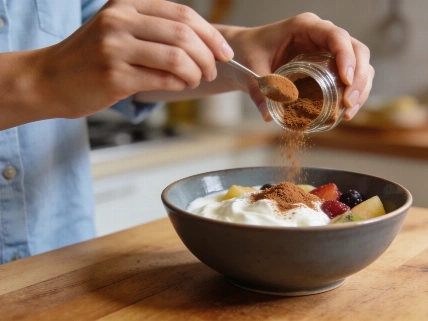
Dietitians are calling out cinnamon as the go-to spice for better cholesterol. Here's what the research says, how to use it safely, and why it might be worth adding to your meals.
You do not have to pick between gut health and protein at dinner. These twenty meals each pack at least 20 grams of protein and use real prebiotic and probiotic foods to support muscle, bone, and immune health.
A clinical trial found that drinking a vinegar beverage every day led to more weekly bowel movements in adults with mild constipation. The results point to vinegar as a possible tool for regular digestion, but there are limits.
A Canadian study finds that even if you sleep well, your partner's rough night can chip away at your confidence and effort to eat healthy. The results show how much shared routines and home life shape what couples eat.
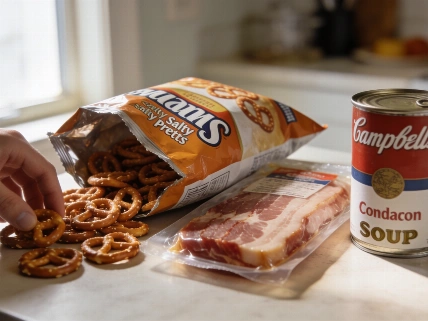
Nearly half of U.S. adults deal with high blood pressure every day. The real danger often hides in plain sight-salty snacks, processed meats, and canned soups can quietly undo your hard work. Here's what to skip and how to take charge.
A massive review of nearly 9 million adults shows that eating more ultra-processed foods raises your risk of heart disease, obesity, diabetes, and even death. Here's what the data says-and how to shop smarter.
Grocery prices keep climbing, turning basics into luxuries. Making staples like bread, sauces, and spreads at home can save money and boost nutrition. Here's how homemade stacks up against store-bought.
A top endocrinologist spells out the breakfast she trusts for bone health, breaking down the nutrients that count and sharing real-world tips for a stronger skeleton with every bite.
Chennai's love for idli runs deep. From old-school recipes to new spins, the city's tiffin culture keeps this steamed rice cake at the center of daily life and local pride.
Grocery bills keep climbing, but eating healthy does not have to cost a fortune. Dietitians break down 11 real-world tips-from meal planning to freezer tricks-to help you eat better, save money, and waste less.
A morning cup of coffee works with your body's clock to help you go to the bathroom. Experts break down why timing matters, how coffee's ingredients get things moving, and what habits keep you regular without messing with your sleep.
A year-long Community Healthy Lifestyle Café is now open in the Hywel Dda region. It offers monthly nutrition and wellbeing sessions for people with learning disabilities, their carers, and support staff-filling a real gap in accessible health education.
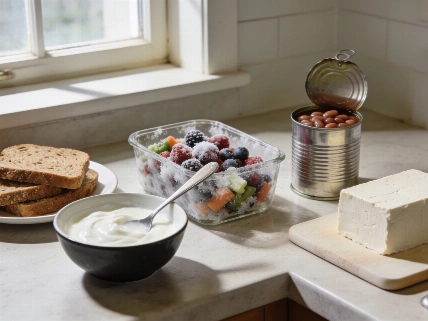
Not all processed foods are the same. Dietitians point to five staples-yogurt, frozen produce, whole-grain bread, canned beans, and tofu-that pack key nutrients and may help cut colon cancer risk if you pick the right ones.
Pineapple is often called kidney-friendly because it's low in potassium and phosphorus. But for people with kidney disease, how much you eat and your own health needs are what count. Here's what research and dietitians actually say about eating pineapple every day.
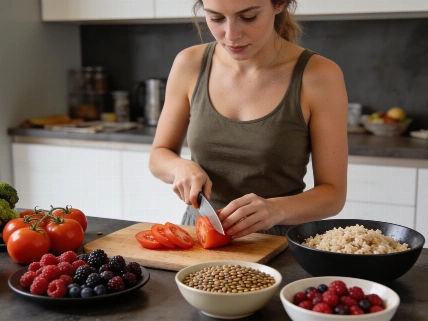
Prostate health is shaped by more than genetics. Beans, tomatoes, berries, cruciferous vegetables, and whole grains bring nutrients that may help support prostate function and overall well-being.
Carbs aren't the enemy. When you pick the right ones, they're your body's best fuel. Here are seven carb-rich foods that give you real energy and keep you full, plus easy ways to add them to your meals.
Squats get a lot of attention for knee arthritis, but do they really stand alone? We dig into the clinical research, what's on joint-support product labels, and what matters most for people looking for real results.
Insulin resistance is a silent driver of prediabetes and diabetes risk. Dietitians outline six evidence-backed nutrition and lifestyle changes that can help restore insulin sensitivity and lower the risk of chronic illness.
Struggling with nighttime bloating or heartburn? Dietitians reveal five practical evening habits that may help your digestive system work more comfortably overnight, from meal timing to gentle movement and mindful breathing.
When chefs feel under the weather, they skip chicken noodle and reach for miso soup. Its light, savory broth is easy to make, gentle on the stomach, and packed with gut-friendly probiotics that support immune health.
Dietitians agree: fiber is the most important nutrient for improving insulin resistance and supporting blood sugar balance. Learn which foods make the biggest difference and how to work more fiber into your daily routine.