
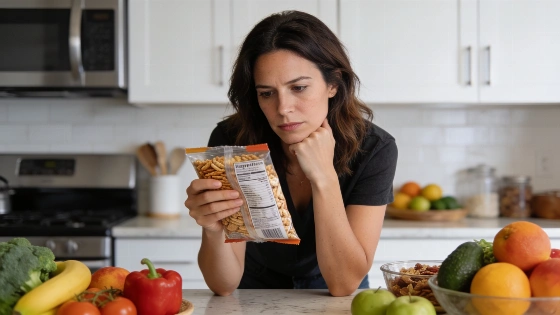
Eat an extra 100 grams of ultra-processed food each day, and your risk of heart disease jumps by 14 percent. That's the blunt finding from a new global review in Family Medicine and Community Health. The study links higher intake of ultra-processed foods to a long list of health problems: heart disease, stroke, obesity, diabetes, digestive issues, depression, anxiety, and cancer.
Ultra-processed foods aren't a side note in the American diet-they're the main event. CDC data in the study shows the average American now gets more than half their daily calories from these foods. That means packaged snacks, processed meats, cookies, cakes, sugary drinks, and most ready-to-eat meals. These products are built for taste, packed with added sugars, salt, and fat, and made to keep you reaching for more.
On average, ultra-processed foods make up 53-55% of daily calories for U.S. adults, with many products listing added sugars, refined starches, and industrial oils as primary ingredients.
So what does this mean if you buy nutrition shakes or meal replacements? Many powdered shakes, protein blends, and ready-to-drink bottles land somewhere on the processing scale. The main thing to watch is the label. Look for products that clearly list protein sources (like whey isolate, pea protein, or brown rice protein), serving size in grams, and the exact amount of added sugars or sweeteners. Skip brands that hide ingredients in proprietary blends. Choose those with third-party testing or certifications from groups like NSF Certified for Sport or USP.
The new review covered more than 50 studies and nearly 9 million adults. People who ate the most ultra-processed foods had a 24% higher risk of cardiovascular events, 11% higher risk of high blood pressure, 23% higher risk of obesity or overweight, 24% higher risk of metabolic syndrome or diabetes, and 18% higher risk of dying from any cause. These numbers line up with earlier research. A major European study in The BMJ found that a 10% bump in ultra-processed food intake was tied to a 12% rise in overall cardiovascular disease and a 13% jump in coronary heart disease. For shoppers, this means you need to check ingredient lists and nutrition panels-especially on products sold as "healthy" or "functional."
There's also a clear dose-response effect. Every extra 100 grams of ultra-processed food per day was linked to a 14% higher risk of cardiovascular events, 11% higher risk of hypertension, 4% higher risk of cancer, and 3% higher risk of death from any cause. For reference, a single serving of many ready-to-drink shakes or meal bars can hit or pass 100 grams, depending on the recipe and fillers.
Claims Check: The FDA prohibits disease treatment or cure claims on dietary supplements and meal replacements. Brands using terms like 'detox', 'immune support', or 'gut health' must substantiate these claims with specific ingredient dosages and peer-reviewed evidence. Always cross-reference label claims with the Supplement Facts panel and look for third-party certifications.
Not all processed foods are the same. Processing itself isn't always bad-pasteurizing, canning, and freezing can keep food safe and help preserve nutrients. The real problem is with ultra-processed foods loaded with added sugars, salt, refined starches, and industrial oils, often with little or no whole food inside. If you buy nutrition shakes, check for too many sweeteners (like sucralose, aspartame, or sugar alcohols), low protein-to-calorie ratios, and thickeners or gums (such as xanthan or guar) that might upset your stomach.
For families and individuals, some simple steps help. Swap out two or three ultra-processed staples for less processed options. Pick products with short, familiar ingredient lists. Look for independent label verification. Frozen fruits, vegetables, and grains without added sauces or sugars are still affordable and packed with nutrients. If you're watching blood pressure or metabolic health, go for lower-sodium and lower-sugar choices. This matches advice in our previous reporting on heart-healthy snacks.
The takeaway: cutting back on ultra-processed foods can lower your risk of serious health problems. It starts with knowing what's in your food. Ingredient transparency, label reading, and checking claims are your best tools-whether you're buying a protein shake, a meal replacement, or groceries for dinner. You control your long-term health, one label at a time.