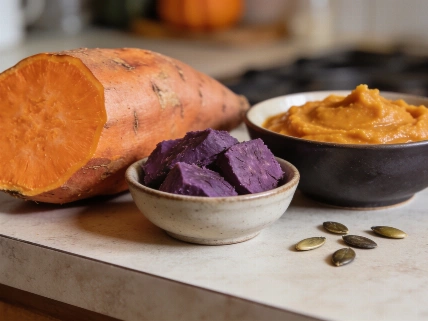
Sweet Potato and Pumpkin Offer Different Carotenoid Profiles
Neither vegetable has a universal antioxidant advantage. Variety and preparation change the picture, especially when comparing whole foods with powders.

Neither vegetable has a universal antioxidant advantage. Variety and preparation change the picture, especially when comparing whole foods with powders.
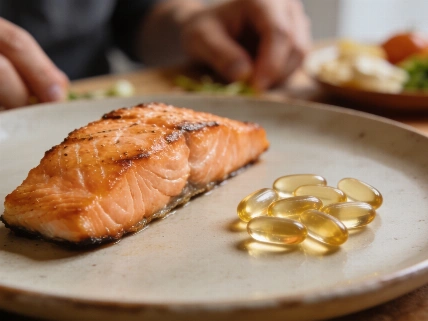
Salmon delivers omega-3s as part of a meal; fish oil and algae oil offer more targeted options. A label or a brain-health claim alone cannot establish a benefit.
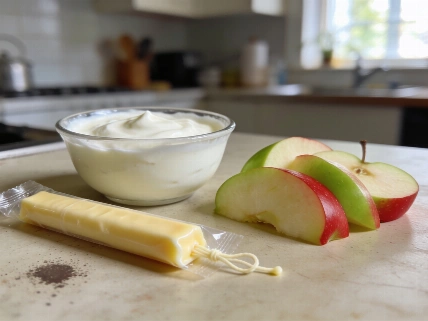
A 170-gram serving of plain Greek yogurt has about 17 grams of protein, compared with about 7 grams in a typical string cheese stick. Serving size, added sugar and convenience can matter as much as the product category.
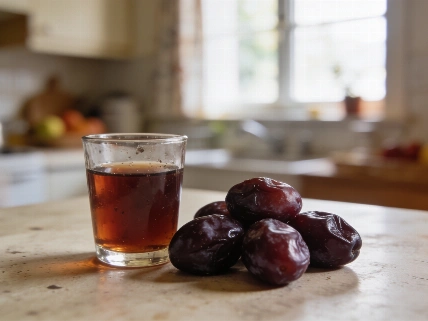
Whole prunes and prune juice have both been studied for constipation relief, but they offer different amounts of fiber. The better fit depends on what you tolerate and what you want from a serving.
Milk-based hot chocolate may produce a different glucose response than apple cider, but neither drink is sugar-free. Compare the prepared drink, not just the powder, and check serving size, total carbohydrates and added sugars.
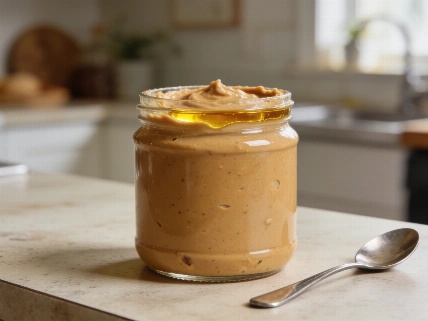
Oil at the surface can point to a peanut butter made without some stabilizers. The ingredient list and Nutrition Facts panel are still the better tools for comparing added sugars and saturated fat.
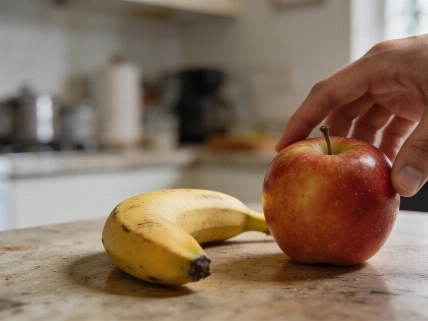
Apples provide slightly more fiber and water per calorie, while bananas offer potassium and easy-to-carry carbohydrates. Neither fruit is inherently better for weight loss. The better choice is the one you enjoy and will eat.
Turmeric and matcha lattes both promise anti-inflammatory perks, but does your cup actually deliver? The science behind curcumin and catechins shows a more complicated picture than the hype suggests.