
Evidence-Based Independent Nutrition, Shake Reviews & Healthy Living

Calcium 17 articles

· 6 mins read

What Daily Yogurt Can Offer Adults Over 60

Yogurt can provide protein and calcium, nutrients linked to muscle and bone health as we age. Research has found some favorable associations, but it does not show that yogurt prevents frailty or fractures. Here's what to check on the label and what the studies can and cannot tell us.

· 5 mins read

Milk Is More Than a Childhood Food

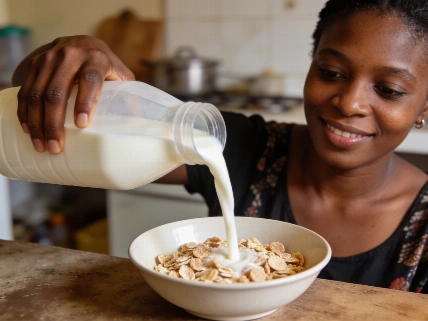
Milk can provide useful nutrients at different life stages, but it is not essential for everyone. Dietitian Tito Ipinmoye explains what matters in a milk product and what to check on the label.

· 4 mins read

Three Calcium Snacks Can Beat a Cup of Yogurt

A cup of plain nonfat yogurt provides about 488 milligrams of calcium. Sardines with cheddar and some chia pudding or smoothie recipes can top that, while one cereal-and-milk example falls short. The key is to compare actual portions and check the label.

· 4 mins read

Tinned Fish Keeps Its Omega-3s Through Canning

Canned sardines retain omega-3 fats and provide protein and calcium, much of it from edible bones. Check serving sizes and Nutrition Facts panels: packing liquid and sauces can change the sodium, sugar and calorie content.

· 4 mins read

Edamame: A Complete Protein for Healthy Aging

Edamame is a plant-based protein source that supports muscle, heart, gut, and bone health. Here's why this green bean deserves a regular spot in your meals if you want to stay strong and independent as you age.

· 6 mins read

Eight Protein Foods That Should Be on Your Weekly Menu

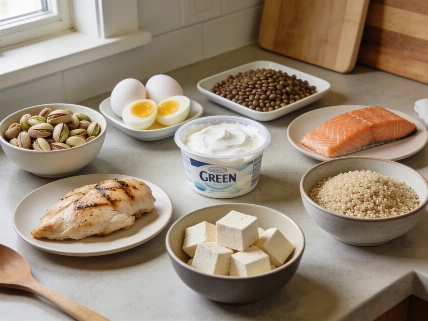
Protein is more than a muscle-builder-it is essential for immune health, satiety, and balanced nutrition. Here are eight versatile protein foods, from pistachios to tofu, that deliver key nutrients and should be part of your weekly eating routine.

· 4 mins read

New Grain Quality Labs in Africa Unlock Nutrition Data for Dryland Crops

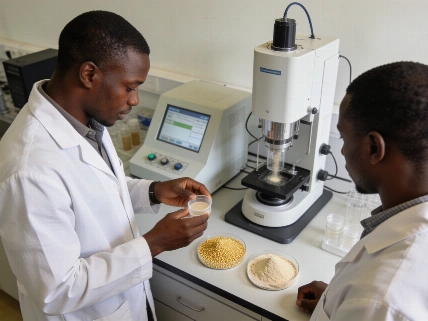
CIMMYT has opened advanced grain and flour analysis labs in Kenya and Senegal, giving African scientists the ability to quickly measure the nutritional and processing qualities of dryland crops like millet, sorghum, and groundnut. This new capacity could change how these crops are bred and used in food products.