
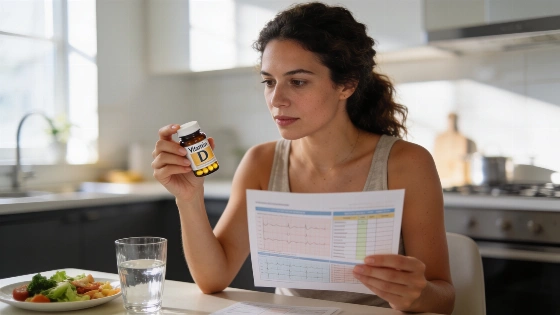
Vitamin D deficiency is common among women in their 30s and older, and it can quietly affect health in ways that add up over time. After age 30, bone density stops increasing and slowly starts to decline. Muscle mass also tends to decrease, and the risk of vitamin D deficiency rises with age. The impact is real: Jamie Baham, M.S., RDN, LD, notes that women can lose up to 20% of their bone mass during the years after menopause. Early attention to vitamin D isn't just helpful-it's important for long-term health.
The Recommended Dietary Allowance for vitamin D is 600 IU (15 mcg) per day for adults age 19-70, and 800 IU (20 mcg) for adults 71 and older. The tolerable upper intake level is 4,000 IU per day.
How vitamin D supports bone and muscle health
Before age 30, the body builds bone faster than it breaks it down. After that, the process reverses, and bone loss speeds up, especially after menopause. Vitamin D helps the body absorb calcium and keep bones strong, which is why it's a key part of osteoporosis prevention. Without enough vitamin D, even a diet high in calcium may not be enough to protect bone density. The U.S. National Academies recommend a blood level of at least 20 ng/mL of 25(OH)D for bone health, a standard used in federal nutrition guidelines.
Muscle health is also affected. Muscle loss with age happens in both men and women, but the rate depends on activity, nutrition, illness, and hormones-there's no single rule for everyone. Vitamin D helps muscles work properly, and some research suggests it may lower the risk of falls in older adults. However, the strongest evidence for vitamin D's benefits is still for bone and muscle health, according to the NIH Office of Dietary Supplements.
Why deficiency is so common-and what to do about it
Supplements are most useful when they correct a real deficiency, and vitamin D is a clear example. Few foods naturally contain much vitamin D-fatty fish, fish liver oils, egg yolks, and fortified milk are some of the exceptions, but most diets don't provide enough. Sunlight helps the body make vitamin D, but long winters, indoor routines, sunscreen, and darker skin can all limit this process. U.S. data show that deficiency is still widespread, especially for people with more than one risk factor.
Claims Check: The Endocrine Society's 2024 guideline no longer recommends routine vitamin D screening or supplementation for generally healthy adults, citing insufficient evidence to support vitamin D for disease prevention in those without specific risk factors. This underscores the importance of individualized assessment and label transparency when evaluating supplement claims.
Building a healthy aging routine
Vitamin D is just one part of staying healthy with age. Resistance training is especially helpful for keeping muscles and bones strong. Baham points to a 2025 study in BMC Musculoskeletal Disorders: sedentary women who combined HIIT exercise with vitamin D supplements improved their bone density more than those who did either alone. Protein is also important-Manaker notes that getting enough protein helps preserve muscle as women get older. Regular check-ups can catch vitamin deficiencies, hormone changes, and early signs of chronic disease before they become bigger problems.
For women over 30, vitamin D is the supplement most likely to make a real difference for bone, muscle, and immune health. The best approach is to test first, supplement only if needed, and build a routine that includes resistance training, enough protein, and regular medical care.