
Women can lose up to 20% of their bone mass in the seven years after menopause. Cottage cheese cannot prevent that loss on its own. It does provide protein and calcium, two nutrients involved in bone health.
Think of it as a useful addition to meals, not a stand-alone fix for stronger bones. Bone health depends on overall nutrition and activity, as well as medical care when needed. One food cannot do it all.
About 100 g of 2% cottage cheese provides roughly 11 g of protein, 103 mg of calcium, and 148 mg of phosphorus. Values vary by product, so check the serving size and Nutrition Facts label.
Why cottage cheese fits a bone-supportive diet
Bone is constantly broken down and rebuilt. After age 50, bone density may decline faster than the body replaces it. That can raise the risk of osteopenia and osteoporosis. Getting enough key nutrients helps support bone health, but it does not replace screening or treatment when those are needed.
For women 51 and older, the commonly cited recommended calcium intake is 1,200 mg per day from food and supplements combined. The NIH calcium guidance puts that target in context. A serving of cottage cheese contributes only part of the daily total.
Cottage cheese also provides protein, which contributes to bone structure and helps maintain muscle. Its phosphorus helps with bone mineralization. These nutrients make it a useful choice in a balanced eating pattern. They do not make cottage cheese a treatment for osteoporosis.
How to read bone-health claims on shakes
Nutrition shakes and powders can provide protein. Some also contain calcium or vitamin D. But front-of-pack wording is no substitute for the facts panel. Compare serving size in grams, protein and calcium per serving, calories, and added sugars. A large scoop may account for a higher number on the label. A small serving may provide less calcium than the headline suggests.
For powders, check the protein source, such as whey, casein, pea, or a blend. See whether the product gives the amount of each ingredient. A proprietary blend may list one combined weight without showing how much of each component it contains. That can make it harder to compare products or tell whether a highlighted ingredient is present in a meaningful amount.
Price per serving and the protein-to-calorie ratio can help you compare products. Neither tells you whether a product supports bone health. Check allergen declarations, sweeteners, and added sugars if they matter to your needs. Claims such as "clean," "detox," or "bone support" are not proof on their own. Look for clear amounts and an explanation of what the product is meant to provide.
Make it one part of the menu
Vitamin D helps the body absorb calcium. Weight-bearing or resistance exercise also forms part of a broader bone-health strategy. Nutrients come from different foods, so variety matters more than making cottage cheese or a fortified shake the centerpiece. Readers comparing everyday options can also see what different foods provide in this canned soup guide.
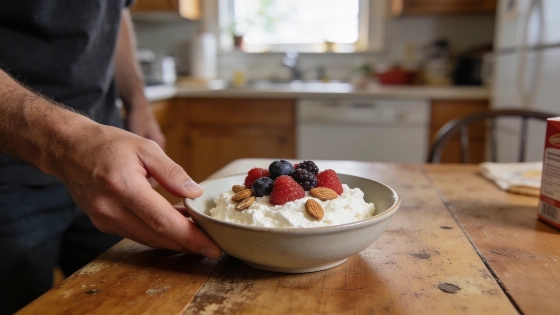
Serve cottage cheese with berries and nuts, or pair it with tomatoes and cucumber. You can spread it on whole-grain toast, blend it into a smoothie, or use it in pancakes or lasagna. These are practical ways to include it without making it the focus of every meal.
Cottage cheese offers protein and calcium in a flexible food, along with phosphorus. That can help as part of a bone-health plan, but it is not the whole plan. A varied diet, adequate calcium and vitamin D, and regular weight-bearing activity all matter. If your risk of bone loss is high, seek guidance from a healthcare professional. No single food or marketing claim can replace those steps.