Evidence-Based Independent Nutrition, Shake Reviews & Healthy Living

Food Variety 11 articles

· 6 mins read

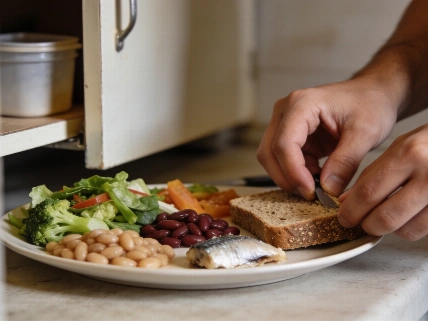
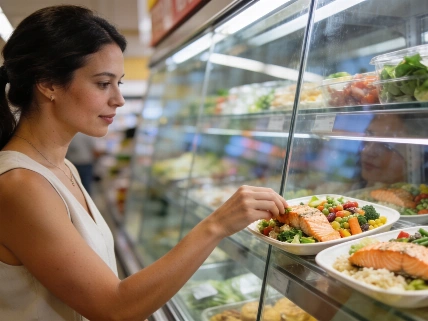
Malaysia Must Make Healthy Food Easier to Choose

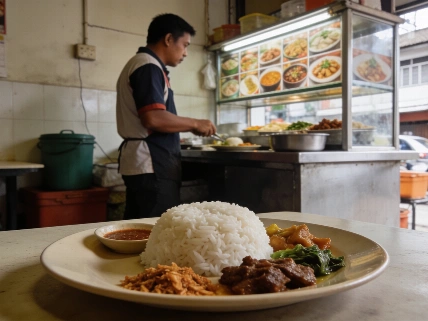
More than 1.8 million Malaysians under 40 may have diabetes or hypertension, according to the health minister. Better health needs more than advice: people also need affordable food choices and clear labels to compare packaged products.

· 4 mins read

Build healthy aging around four free habits

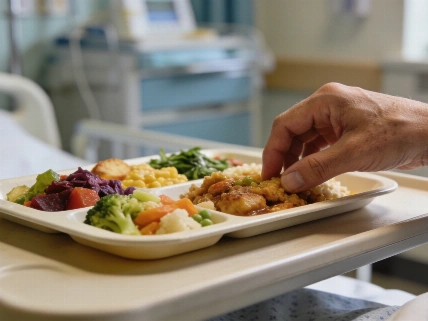
Healthy aging includes physical, mental and cognitive health, along with the ability to live independently. Food, movement, stress and sleep habits can support that goal, while a closer look at nutrition labels can help separate product claims from evidence.

· 4 mins read

A Healthy Diet Leaves Room for Flexibility

Registered dietitian Jennifer Low says healthy eating is about a varied, nourishing pattern, not getting every food choice right. Heart-health guidance also focuses on the whole diet, while Shake Nutrition explains what labels on shakes and powders can tell you.

· 4 mins read

Five Fiber Mistakes That Can Work Against You

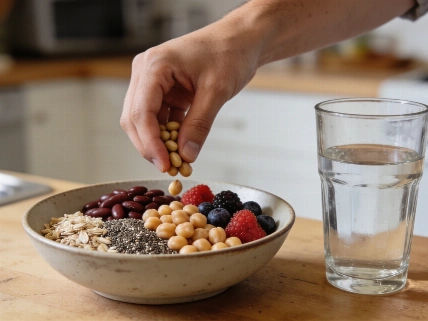
More fiber is not always better if you rush the change or overlook serving sizes. Learn how to choose fiber-rich foods, check labels, and build intake gradually with enough fluids.

· 4 mins read

When Healthy Eating Becomes Harmful Obsession

Orthorexia is a growing problem fueled by social media and nutrition trends. Learn how to spot the warning signs, why ingredient obsession can backfire, and what steps to take if healthy eating starts to control your life.

· 6 mins read

Eight Protein Foods That Should Be on Your Weekly Menu

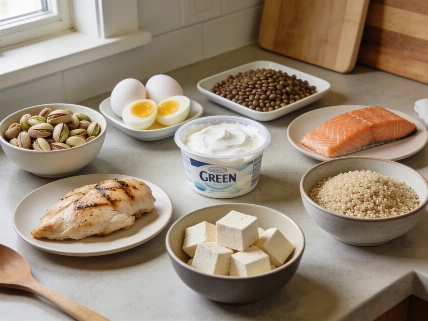
Protein is more than a muscle-builder-it is essential for immune health, satiety, and balanced nutrition. Here are eight versatile protein foods, from pistachios to tofu, that deliver key nutrients and should be part of your weekly eating routine.

· 4 mins read

New Grain Quality Labs in Africa Unlock Nutrition Data for Dryland Crops

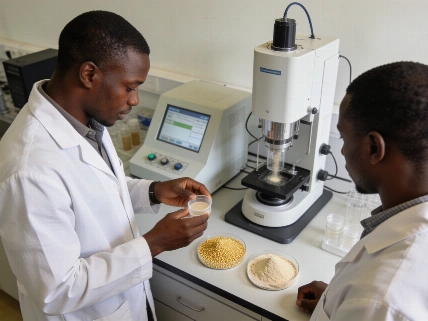
CIMMYT has opened advanced grain and flour analysis labs in Kenya and Senegal, giving African scientists the ability to quickly measure the nutritional and processing qualities of dryland crops like millet, sorghum, and groundnut. This new capacity could change how these crops are bred and used in food products.