
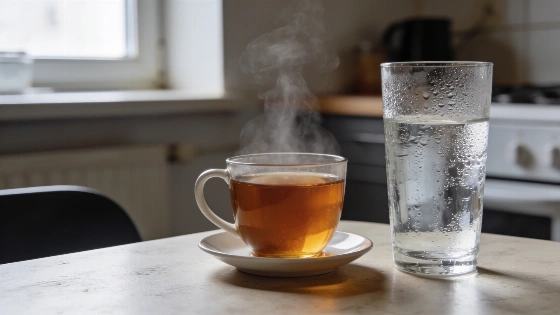
The old idea that tea dehydrates you doesn't hold up. Research now shows that tea, despite its caffeine, still helps you meet your daily fluid needs. Amy Shapiro, MS, RD, CDN, puts it simply: "Tea is over 99% water, and the mild diuretic effect of caffeine is too small to offset the fluid you're taking in." Unless you're drinking very strong tea in large amounts, your daily cup is helping, not hurting, your hydration.
Still, not all teas are the same. Black tea usually has 40-70 mg of caffeine per 8-ounce (240 ml) cup. Green tea is a bit lower, averaging 25-50 mg per cup. Herbal teas like chamomile, peppermint, and rooibos have no caffeine at all, so they're the most hydrating. For most people, the difference isn't huge, but if you're sensitive to caffeine or keeping track of your intake, it's worth noting.
"A standard 8-ounce cup of black tea delivers 40-70 mg of caffeine, while green tea averages 25-50 mg-key label metrics for shoppers monitoring caffeine intake."
- Shake Nutrition Editorial Desk
Tea counts toward your daily hydration
So, does tea count toward your daily water intake? Yes. All fluids-including tea, coffee, and even the water in foods-add to your hydration. But there's a catch: unsweetened brewed tea is not the same as bottled or powdered tea drinks loaded with sugar. High-sugar tea drinks are more like treats than hydration tools, since extra sugar can cancel out some of tea's benefits and add unnecessary calories.
What you put in your tea matters, too. Sugar, honey, and creamers can quickly turn a healthy drink into a calorie-heavy one. Some bottled iced teas and mixes have as much sugar as soda. For the best hydration and nutrition, brew your own tea and go easy on sweeteners and creamers.
What caffeine sugar and tannins change
There's another point for vegetarians, vegans, and anyone with low iron: tea contains tannins, which can make it harder for your body to absorb plant-based (non-heme) iron if you drink tea with meals. This effect is strongest when tea is consumed during or right after eating. Animal-based (heme) iron isn't affected as much. To get the most iron from your food, try to drink tea between meals instead of with them.
Claims Check: While many tea brands promote detox or metabolism-boosting effects, regulators like the FDA require that these claims be backed by solid clinical evidence. Most teas offer hydration and antioxidants, but claims about disease prevention or major metabolic changes aren't supported by strong human studies.
- FDA / Clinical Nutrition Review (source)
If you're watching your caffeine, aim to keep your total under 400 mg per day, as health guidelines suggest. Remember to count coffee, energy drinks, and other sources along with your tea. For comparison, a typical cup of coffee has about twice as much caffeine as black tea.
As covered in our coffee and hydration article, the mild diuretic effect of caffeine doesn't outweigh the fluid you get from these drinks. The same goes for tea, which means it's a real contributor to your daily hydration.
In short, tea is enjoyed around the world for its taste, hydration, and antioxidants. It shouldn't replace water entirely, but unsweetened tea is a smart, evidence-based way to help meet your fluid needs. For best results, balance tea with plenty of water and keep an eye on added sugars, creamers, and your total caffeine from all sources. For more on reading labels and understanding ingredients in drinks, see our guides to USDA FoodData Central and NSF Certified for Sport standards.