
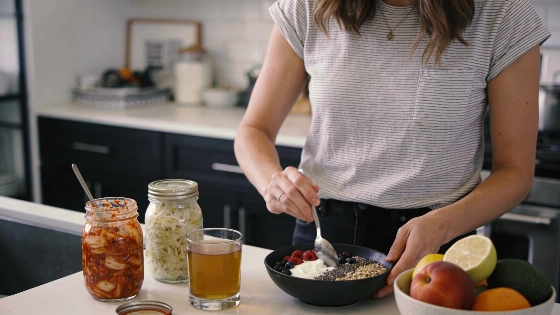
Forget the vague promises of probiotic pills. Leslie Beck, Clinical Director of Food and Nutrition at Medcan, doesn't mince words: if you want to rebuild your gut after antibiotics or years of poor eating, start with real food, not supplements. Recent reviews show that over-the-counter probiotic blends don't always help gut bacteria recover after antibiotics. In some cases, they may even slow down your gut's natural rebound. So, if you're scanning nutrition shake labels for "gut health" claims, know that generic probiotics aren't a sure bet-especially after antibiotics.
What about people dealing with bloating, irregular digestion, or high cholesterol? There's no secret diet or miracle fix. The International Scientific Association for Probiotics and Prebiotics (ISAPP) and recent studies agree: gut health isn't about chasing an "ideal" microbiome or passing a single test. It's about not having symptoms or disease. This practical view matches what's seen with the Mediterranean diet, which lowers gut inflammation and supports a healthy mix of gut bacteria by focusing on whole grains, beans, nuts, and vegetables. Still, everyone's gut responds differently, shaped by their own unique bacteria.
Many nutrition shakes and meal replacements list proprietary blends of probiotics or fibers, but without disclosed strain types or dosages, their actual impact on gut health remains unverified.
Shake Nutrition Editorial Desk
If you want to improve your gut health, Beck's advice is straightforward. First, eat fermented foods every day. These are foods made by controlled microbial growth and enzyme action-think yogurt, kefir, kombucha, kimchi, and unpasteurized sauerkraut. They bring live cultures that can diversify your gut microbes and help unlock nutrients, but the benefits depend on the strains and the food itself. For example, a 2025 trial in healthy adults found that drinking kefir daily for six weeks didn't produce effects that could be applied to people with IBS, IBD, or other chronic gut issues. This shows why results from healthy volunteers don't always translate to everyone else.
Next, Beck recommends prebiotic fibers-found in oats, barley, rye bread, beans, lentils, apples, artichokes, asparagus, garlic, onion, and bananas. These fibers feed good bacteria, which then make short chain fatty acids that strengthen the gut lining and lower inflammation. Foods rich in polyphenols-like berries, red grapes, pomegranate seeds, green tea, cocoa powder, onions, kale, broccoli, citrus, celery, parsley, and soybeans-also support the microbiome, since gut bacteria use polyphenols as fuel in the large intestine. When you're comparing nutrition shakes or superfood blends, check for clear labeling of fiber type (such as inulin, psyllium, or acacia gum) and the amount per serving. Clinical trials usually use 3 to 10 grams per day for a prebiotic effect.
Ultra-processed foods work against gut diversity. Beck points to added sugars, unhealthy fats, and additives-especially artificial sweeteners and emulsifiers-as culprits that reduce microbial variety and drive inflammation. The takeaway: cut back on these foods if you want a healthier gut. When reading labels, watch for sugar alcohols, sucralose, and emulsifiers like polysorbate 80 or carrageenan, which some studies link to negative changes in gut bacteria.
Claims Check: While many brands market their products as supporting 'gut health' or 'microbiome balance,' the FDA prohibits disease treatment claims for supplements and requires that any structure/function claims be substantiated by credible scientific evidence. Most clinical trials supporting fiber or probiotic benefits use specific strains and dosages rarely matched by proprietary blends in commercial shakes.
FDA / Clinical Nutrition Review
If wheat bran upsets your digestion, Beck explains that its fructans can cause bloating, especially for people with irritable bowel syndrome. Her advice: add bran slowly, drink plenty of water, and if you still have symptoms, try oat bran or psyllium husk powder instead. These are usually easier to tolerate. This matters when comparing fiber blends in meal replacements-psyllium and oat beta-glucan have the strongest evidence for cholesterol and gut benefits, while generic "fiber blends" may not work as well.
Gut health isn't just about digestion. It can even affect sleep. Beck points to tart cherry juice, which is high in melatonin and polyphenols, as a natural way to improve sleep and feed good gut bacteria. Clinical trials show that two tablespoons of tart cherry juice concentrate, diluted in water and taken twice a day, can raise melatonin and improve sleep quality, even in older adults with insomnia. But for these claims to be credible, the label needs to show ingredient amounts and reference supporting studies.
Cholesterol management also gets a gut-focused update. Beck recommends the Portfolio diet, which lowers LDL cholesterol with four main steps: 50 grams of plant protein, 45 grams of nuts and seeds, 20 grams of viscous fiber, and 2 grams of plant sterols daily. Even following part of this plan can lower LDL. Foods high in saturated fat-like fatty meats, processed meats, and high-fat dairy-should be limited, since they clearly raise LDL cholesterol. No single food reliably raises HDL ("good") cholesterol; regular aerobic exercise and weight loss have a much bigger effect than any food swap.
Beck's message is simple: gut health isn't a marketing slogan. It's the result of daily choices. The evidence is clear-fermented foods, prebiotic fibers, and polyphenol-rich plants build a strong microbiome. Ultra-processed foods do the opposite. The Portfolio diet's success in lowering cholesterol shows the limits of relying on supplements alone. If you want a gut that works for you, look to the produce aisle and your own kitchen, not a capsule. The science-backed path is clear, and it starts with what you eat today.