
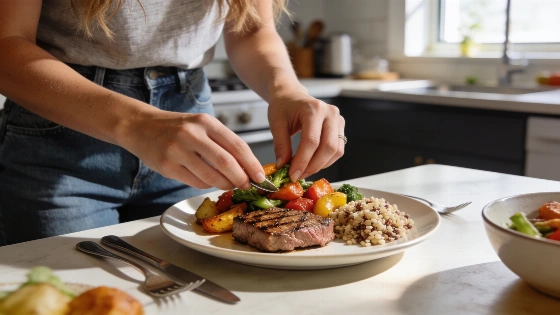
If you eat meat every day, the real question isn't whether it affects your heart, but how. Research shows that certain types of meat can raise cholesterol and blood pressure, but the details matter. What you choose, how you cook it, and what you eat alongside it all play a role in your heart health.
A single 85 g serving of deli or processed meat can deliver around 750 mg of sodium-about two-thirds of the American Heart Association's daily upper limit, and half the recommended cap for those with high blood pressure.
Meat's impact on the heart isn't simple. Animal protein leads to the production of TMAO, a compound made by gut bacteria that's tied to higher cardiovascular risk. The more processed and animal-based your protein, the higher your TMAO levels may go. Still, meat is also a source of high-quality protein, vitamin B12, and heme iron-nutrients important for oxygen transport and muscle function, especially if you're at risk of deficiency.
If you want to keep meat in your diet without putting your heart at risk, focus on the details. Choose lean, unprocessed meats and pair them with vegetables, whole grains, and legumes. Swapping red meat for lean poultry or plant proteins like beans and lentils can help lower LDL cholesterol. Cooking methods matter too: grilling, roasting, broiling, or air-frying add less fat than frying or breading.
Claims Check: While many products highlight 'lean protein' or 'heart-healthy' on their labels, clinical reviews emphasize that the real benefit comes from limiting processed meats and saturated fat, not just choosing leaner cuts. Regulatory authorities such as the FDA require that any heart health claim be substantiated by evidence showing a reduction in cardiovascular risk factors, not simply by the presence of protein or the absence of cholesterol.
Heart-healthy diets like DASH and Mediterranean don't cut out meat entirely-they just focus on moderation and smarter choices. Lean meats, fish, and poultry are included, but red and processed meats are limited. This matches the advice in our earlier article on how fiber-rich meals help manage cholesterol.
The NHS suggests that adults eating more than 90 g of red and processed meat per day should cut back to 70 g or less. This is a maximum, not a goal. It's especially important when comparing protein powders and meal replacements, since protein source, sodium, and serving size can vary a lot. Plant-based protein blends usually have less sodium and saturated fat per scoop than animal-based or dairy/egg-based shakes.
Meat can be part of a heart-healthy diet, but only if it's balanced with nutrient-rich foods and eaten in moderation. The evidence doesn't call for perfection, but it does require attention: choose lean cuts, avoid heavy processing, and fill your plate with plants. If you want to protect your heart without giving up meat, focus on quality and portion size.
When checking ingredient labels, look for clear information on protein source, sodium, and added fats. Avoid blends that hide how much animal protein or sodium you're getting. Third-party verification from groups like NSF International or the NIH Office of Dietary Supplements can help confirm label accuracy and safety, especially if you're managing heart risk.