
Nutrition advice has changed course many times, and the current debate over ultra-processed foods risks repeating old patterns. For years, Americans were told to avoid dietary fat, advice that was later overturned. Eggs were once off-limits because of cholesterol, then welcomed back. Margarine was promoted as a healthy alternative to butter until concerns about trans fats forced a reversal. These shifts happened not because of carelessness, but because nutrition science is complicated and always evolving.
Recently, a study linked diets high in ultra-processed foods to a higher risk of prostate cancer. But the research did not look at whether participants were also eating enough fruits and vegetables, which are known to lower risk. Without that context, it's hard to draw firm conclusions, yet the findings have already sparked calls for new food regulations focused on processing.
Shake Nutrition Editorial Desk
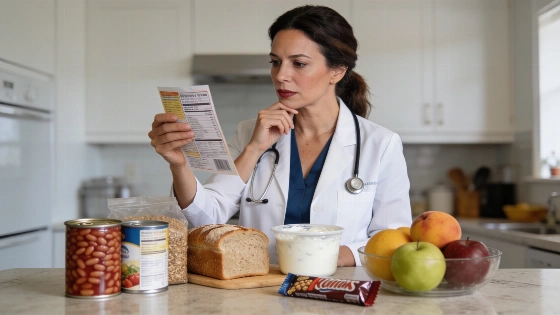
Reducing nutrition policy to a single factor, like how processed a food is, oversimplifies what makes a diet healthy. The term "processed food" covers everything from soda and candy to canned beans, frozen fruit, whole-grain bread, and plain yogurt. If a candy bar and a can of black beans both count as processed, the label loses meaning for people trying to eat better.
Nutrition professionals instead focus on balance, variety, enough protein, fiber, essential nutrients, and long-term eating habits. No single food determines health. The real challenge is helping people build routines that prioritize overall nutrition, not just one trait.
Frequent changes in nutrition advice can make people lose trust. When official guidance shifts, many turn to social media personalities who offer certainty that science can't provide. This confusion is why major food policy decisions should be based on strong, consistent evidence-not on early findings or broad assumptions.
FDA / Clinical Nutrition Review
Most research on ultra-processed foods is observational, and experts still debate how to define these foods. Studies rarely prove that processing itself causes health problems, since other diet and lifestyle factors are involved. That uncertainty matters when policymakers consider broad restrictions that could change the food supply.
The U.S. food system is among the safest and most accessible in the world. The lesson from decades of shifting nutrition advice is not to distrust science, but to recognize that it changes as new evidence emerges. Policymakers should move carefully, follow the evidence, and avoid turning early theories into sweeping rules before the science is clear.
For practical steps, the focus should stay on building balanced meals and healthy routines. Simple habits-like those described in our earlier report-can support well-being without chasing the latest trend or strict rule.
Nutrition science keeps moving, and what seems certain today may change tomorrow. The best approach is to help people make informed choices based on the strongest available evidence, and to avoid making laws around research that is still in flux. That kind of caution is the foundation of trustworthy nutrition advice and sound policy.